 US: 2-4 weeks,
  Europe: 1-2 weeks, 🌍 Worldwide: 1-4 weeks ✈️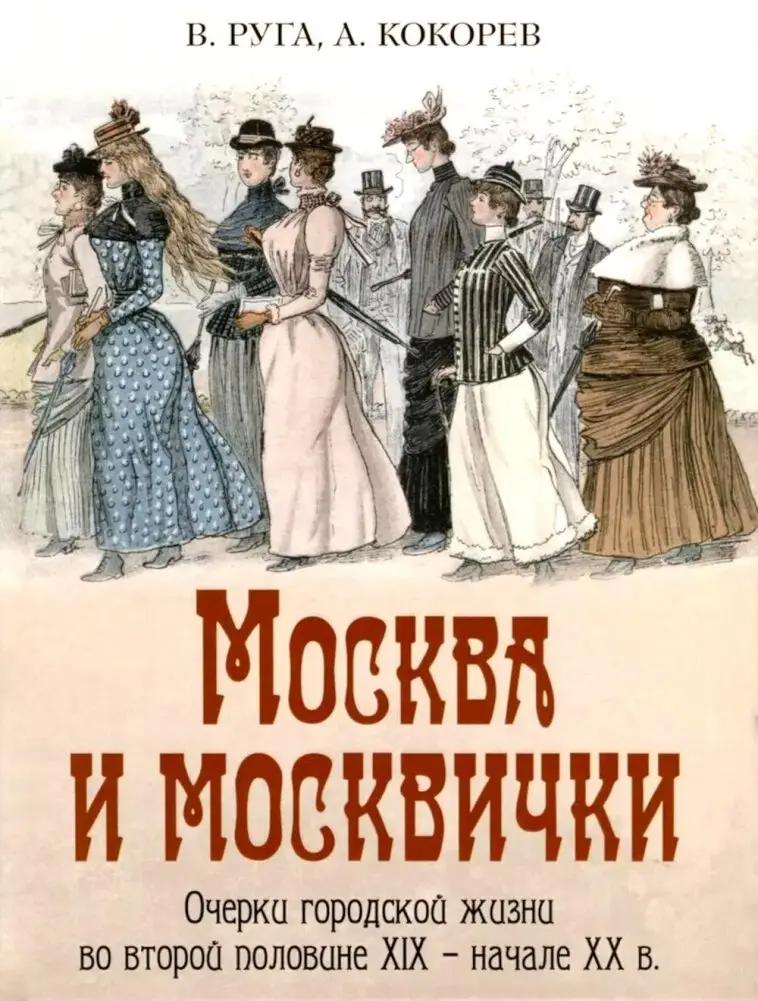
Москва и москвички. Очерки городской жизни во второй половине XIX – начале XX в | Moscow and Its Women: Essays on Urban Life in the Late 19th–Early 20th Century
By Кокорев Андрей Олегович, Руга Владимир Эдуардович
Москва и москвички. Очерки городской жизни во второй половине XIX – начале XX в
Обзор
В книге рассматривается, как жили женщины Москвы во второй половине XIX – начале XX века, задолго до появления социальных сетей, онлайн‑шопинга и современных сайтов знакомств. Владимир Руга и Андрей Кокорев прослеживают повседневные занятия, мысли и желания барышень от дворянских переулков до бывших крестьянских деревень и «понаехавших» светских львиц. Описание помещено в контекст эпохи модных журналов, женских кружков и технического прогресса, который коренным образом изменил быт. Полный ярких деталей и живых свидетельств, этот путеводитель охватывает деловые, семейные, светские и потаённые стороны жизни московских женщин.
Кому подойдёт
- Любители российской истории и культуры
- Студенты, изучающие гендерные вопросы эпохи XIX–XX вв.
- Читатели, интересующиеся живыми очерками городской жизни
- Взрослые 16+, желающие получить подробный портрет московского общества
Ключевые особенности
- Авторы: Андрей Олегович Кокорев и Владимир Эдуардович Руга
- Издано в 2025 г., издательство «Просвещение‑Союз», 208 страниц, твердая обложка
- ISBN 9785001857815, входит в серию «Москва и москвичи»
- Описывает жизнь москвичек во второй половине XIX – начале XX века
- Освещает деловую, семейную, светскую и потаённую стороны их быта в эпоху модных журналов, женских движений и технического прогресса
- Возрастное ограничение 16+
Moscow and Its Women: Essays on Urban Life in the Late 19th–Early 20th Century
Overview
This volume investigates how women of Moscow lived during the late 19th and early 20th centuries, before the advent of social media, online shopping or modern dating sites. Vladimir Ruga and Andrey Kokorev trace the daily routines, thoughts and aspirations of ladies from aristocratic alleys to former peasant villages, as well as newly arrived socialites. The narrative situates their experiences amid the rise of fashion magazines, women’s clubs and rapid technological change that reshaped domestic life. Rich in vivid details and first‑hand testimonies, the book serves as a comprehensive guide to the business, family, public and hidden aspects of Moscow’s female world.
Who it's for
- Readers interested in Russian social history
- Students of gender studies focusing on the turn of the century
- Fans of narrative non‑fiction about urban life
- Adults 16+ seeking a detailed cultural portrait of historic Moscow
Key features
- Authors: Andrey Olegovich Kokorev and Vladimir Eduardovich Ruga
- Published in 2025 by Prosveshchenie-Sojuz, 208 pages, hardcover
- ISBN 9785001857815, part of the "Moscow and Muscovites" series
- Covers the lives of Moscow women from the late 19th to early 20th century
- Explores social, family, and secret spheres against the backdrop of fashion magazines, women’s movements and technological change
- Targeted at readers aged 16 and older