 US: 2-4 weeks,
  Europe: 1-2 weeks, 🌍 Worldwide: 1-4 weeks ✈️
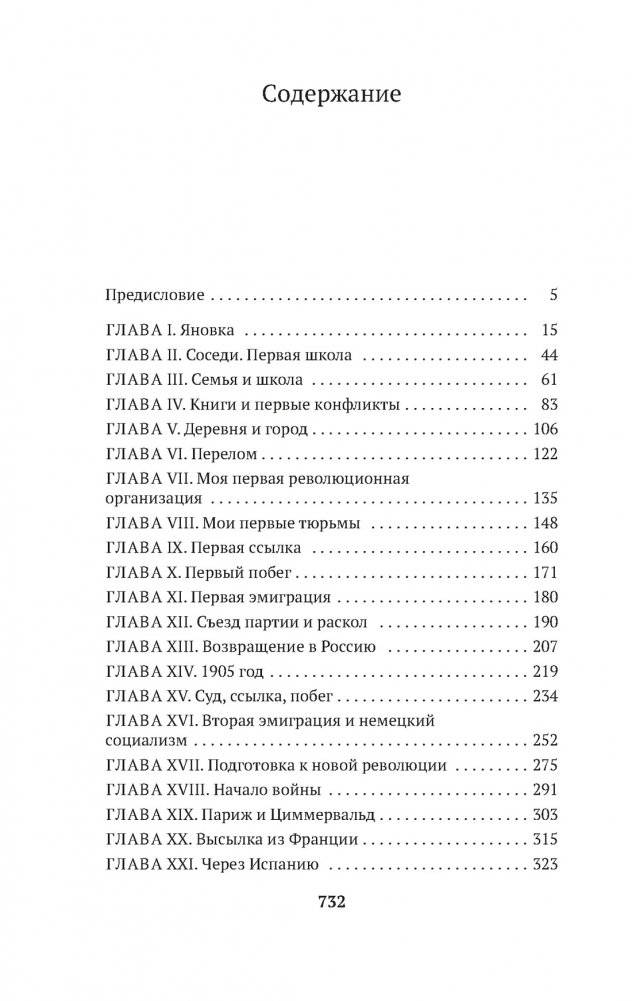
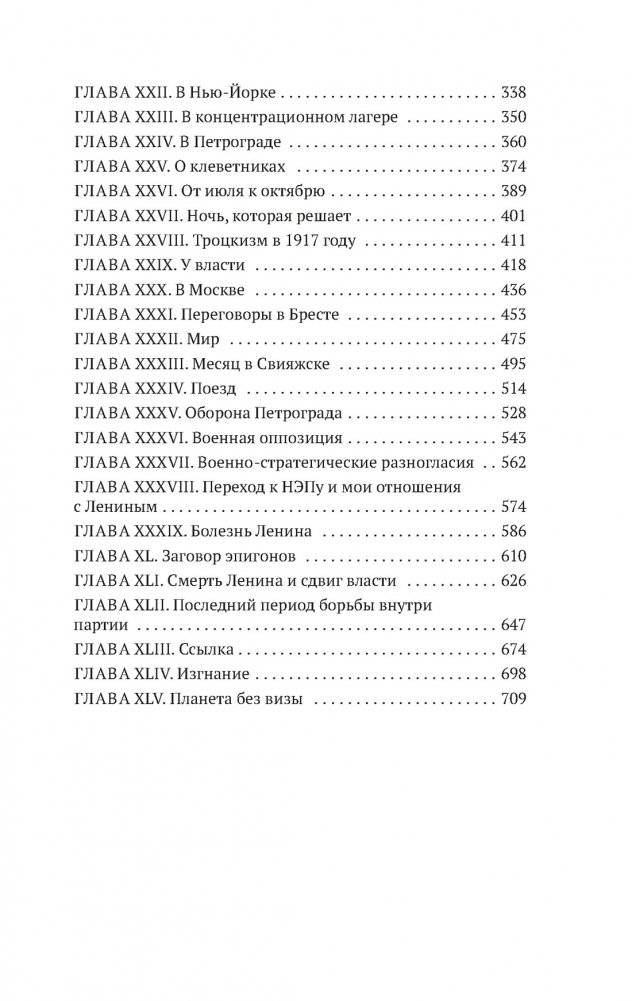
Моя жизнь | My Life
By Троцкий Лев Давидович
Моя жизнь
Лев Троцкий
Обзор
Лев Троцкий — одна из самых ярких и влиятельных фигур в политической истории России, чья личность породила множество мифов. В книге «Моя жизнь» представлена автобиография этого выдающегося деятеля, который был не только ключевой фигурой Октябрьской революции 1917 года и главным противником Сталина, но и блестящим писателем, и оригинальным мыслителем. Автобиография была написана в 1929–1930 гг. после высылки автора из Советского Союза. Книга имела огромный успех у читателей во всем мире, мгновенно став бестселлером.
Кому подойдёт
- Читателям, интересующимся историей России XX века.
- Тем, кто хочет узнать больше о ключевых фигурах революции.
- Любителям биографий и мемуаров политических деятелей.
- Исследователям творчества и мысли Льва Троцкого.
Ключевые особенности
- Автор: Троцкий Лев Давидович
- Издательство: Азбука
- Серия: Азбука-классика. Non-Fiction
- Тип обложки: мягкая обложка
- Год издания: 2025
- Количество страниц: 763
- ISBN: 9785389276642
My Life
Leon Trotsky
Overview
Leon Trotsky stands as one of the most prominent, enigmatic, contradictory, and influential figures in Russian political history, his persona generating numerous myths. This autobiography, "My Life," offers insight into Trotsky's own perspective. He was not only a pivotal figure in the 1917 October Revolution and Stalin's chief political adversary but also a brilliant writer and original thinker. Written between 1929 and 1930 after his exile from the Soviet Union, the memoir achieved immense global readership, quickly becoming a bestseller.
Who it's for
- Readers interested in 20th-century Russian history.
- Those seeking to understand key figures of the revolution.
- Fans of political biographies and memoirs.
- Students of Leon Trotsky's work and thought.
Key features
- Author: Leon Trotsky
- Publisher: Azbuka
- Series: Azbuka-classics. Non-Fiction
- Cover type: Softcover
- Publication year: 2025
- Pages: 763
- ISBN: 9785389276642