 US: 2-4 weeks,
  Europe: 1-2 weeks, 🌍 Worldwide: 1-4 weeks ✈️




Между Христом и Антихристом. «Поклонение волхвов» Иеронима Босха | Between Christ and Antichrist: Hieronymus Bosch's Adoration of the Magi
By Майзульс М.
Между Христом и Антихристом. «Поклонение волхвов» Иеронима Босха
Михаил Майзульс, 2021
Обзор
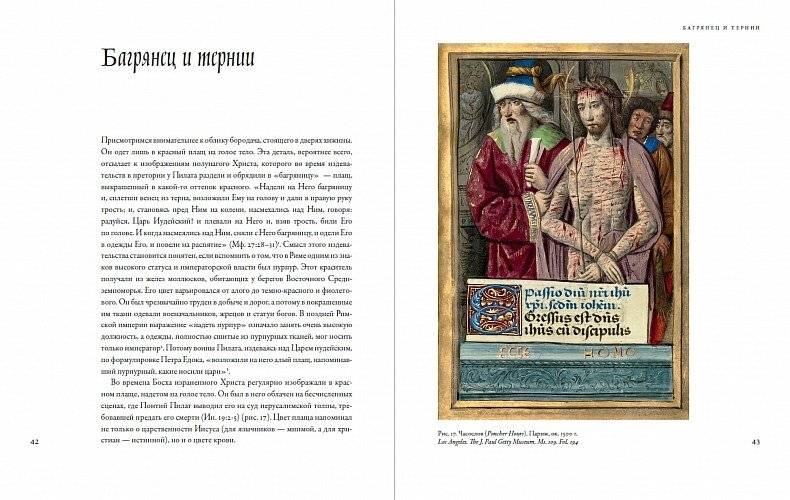
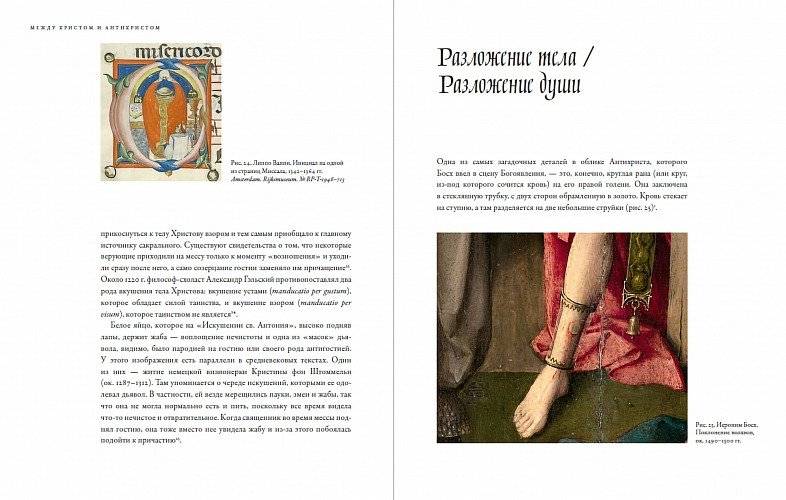
Евангельская сцена «Поклонение волхвов» известна по тысячам изображений со Средневековья. Однако триптих Иеронима Босха выделяется множеством иконографических особенностей, интригующих историков. Среди них — загадочный бородатый человек в дверях хижины с необычным головным убором и стеклянным сосудом на лодыжке, а также детали на одежде чернокожего волхва, вызывающие вопросы. Эти элементы плохо сочетаются с традиционным представлением о святости трех царей.
Кому подойдёт
- Интересующимся творчеством Иеронима Босха.
- Исследователям средневекового искусства и иконографии.
- Любителям истории и мифологии.
- Тем, кто ищет глубокий анализ известных произведений искусства.
Ключевые особенности
- Язык: Русский
- Тип обложки: твердый переплет
- Издательство: Альпина Паблишер
- Год издания: 2021
- Количество страниц: 240
- ISBN: 9785001393917
Between Christ and Antichrist: Hieronymus Bosch's Adoration of the Magi
M. Maisuls, 2021
Overview
The Gospel scene of the Adoration of the Magi has been depicted in thousands of artworks since the Middle Ages. Among these, Hieronymus Bosch's triptych stands out due to numerous iconographic anomalies that have long intrigued historians. These include a mysterious bearded man at the hut's doorway, wearing an unusual turban and having a glass vessel on his ankle, as well as peculiar motifs on the attire of the Black Magi. Such details challenge conventional interpretations of the three kings' righteousness.
Who it's for
- Readers interested in the works of Hieronymus Bosch.
- Students and researchers of medieval art and iconography.
- Enthusiasts of history and mythology.
- Those seeking in-depth analysis of renowned artworks.
Key features
- Language: Russian
- Binding: Hardcover
- Publisher: Alpina Publisher
- Publication Year: 2021
- Pages: 240
- ISBN: 9785001393917