 US: 2-4 weeks,
  Europe: 1-2 weeks, 🌍 Worldwide: 1-4 weeks ✈️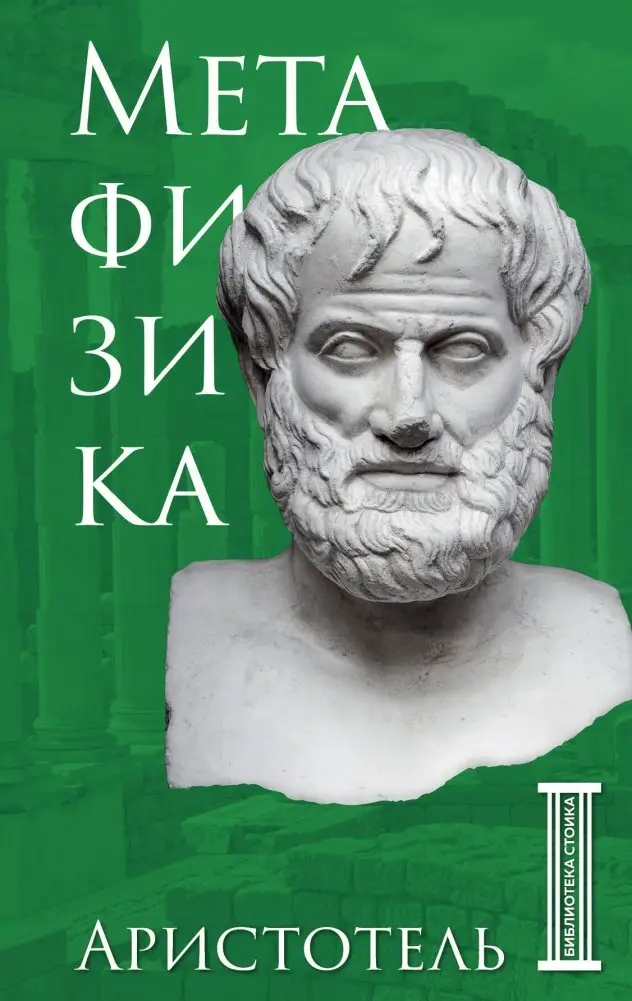
Метафизика. Аристотель | Metaphysics. Aristotle
By Аристотель
Метафизика. Аристотель
Аристотель, 2024, Серия: Библиотека стоика
Обзор
Аристотель, считающийся основоположником логики и научного метода, систематизировал предшествующие знания. В своем труде «Метафизика», что буквально означает «после физики», он исследует значение знания и мудрости. Автор определяет четыре причины всего сущего, создает систему наук и формулирует законы логики, актуальные до сих пор. Этот сборник сочинений, составленный Андроником Родосским, сохранил для нас многие философские открытия Аристотеля.
Кому подойдёт
- Читателям, интересующимся основами философии и логики.
- Студентам и исследователям античной мысли.
- Тем, кто хочет понять фундаментальные принципы познания.
- Любителям классических философских трудов.
Ключевые особенности
- Автор: Аристотель
- Издательство: Эксмо
- Серия: Библиотека стоика
- Тип обложки: твердая обложка
- Год издания: 2024
- Количество страниц: 416
- ISBN: 9785042012365
Metaphysics. Aristotle
Aristotle, 2024, Series: Stoic Library
Overview
Aristotle, recognized as the father of logic and the scientific method, was the first to systematically organize existing knowledge. In his philosophical work "Metaphysics," literally meaning "after physics," he discusses the significance of knowledge and wisdom. He identifies the four causes of all things, establishes a system of sciences, and formulates the laws of logic still in use today. This collection of essays, compiled by the Greek philosopher Andronicus of Rhodes, has preserved many of Aristotle's philosophical discoveries for modern times.
Who it's for
- Readers interested in the foundations of philosophy and logic.
- Students and researchers of ancient thought.
- Those seeking to understand fundamental principles of cognition.
- Appreciators of classic philosophical works.
Key features
- Author: Aristotle
- Publisher: Eksmo
- Series: Stoic Library
- Binding: hardcover
- Year: 2024
- Pages: 416
- ISBN: 9785042012365