 US: 2-4 weeks,
  Europe: 1-2 weeks, 🌍 Worldwide: 1-4 weeks ✈️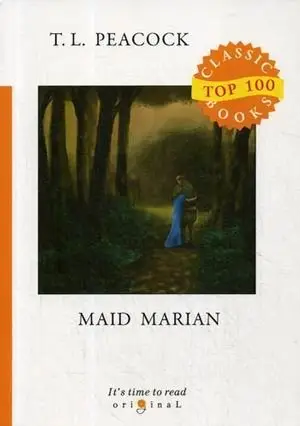
Мэйд Мэриан | Maid Marian
By Пикок Томас Лав
Мэйд Мэриан
Обзор
Томас Лав Пикок, английский романист и поэт, переосмысливает легенду о Робине Гуде с острым викторианским юмором. В книге знакомые персонажи — Робин Гуд, Мэйд Мэриан, монах Тук, Малый Джон, Ричард Львиное Сердце, принц Джон и шериф Ноттингема — говорят новыми, остроумными репликами. Несмотря на то, что произведение написано почти два века назад, оно сохраняет живость и актуальность. Выпуск на английском языке, 152 страницы, мягкая обложка, входит в серию RUGRAM_Public Domain. Предназначено для читателей от 16 лет, интересующихся классикой с сатирическим оттенком.
Кому подойдёт
- Читатели от 16 лет, интересующиеся классическими переосмыслениями
- Любители легенд о Робине Гуде
- Студенты викторианской литературы и сатиры
- Коллекционеры изданий из общественного достояния
Ключевые особенности
- Автор: Пикок Томас Лав
- Год издания — 2018, издательство — T8RUGRAM
- 152 страницы, мягкая обложка
- Язык — английский, входит в серию RUGRAM_Public Domain
- Возрастная рекомендация — 16+
- Викторианская интерпретация легенды о Робине Гуде
Maid Marian
Overview
Thomas Love Peacock, an English novelist and poet, rewrites the Robin Hood legend with sharp Victorian humor. The novel presents familiar characters—Robin Hood, Maid Marian, Friar Tuck, Little John, Richard the Lionhearted, Prince John, and the Sheriff of Nottingham—in fresh, witty dialogue. Written nearly two centuries ago, the story remains lively and relevant for modern readers. It is published in English, 152 pages, softcover, and is part of the RUGRAM_Public Domain series. The book is aimed at readers aged 16 and older who enjoy classic literature with a satirical edge.
Who it's for
- Readers 16+ who enjoy classic retellings
- Fans of Robin Hood folklore
- Students of Victorian literature and satire
- Collectors of public‑domain editions
Key features
- Author: Thomas Love Peacock
- Published 2018 by T8RUGRAM
- 152 pages, softcover
- English language, part of the RUGRAM_Public Domain series
- Suitable for readers 16+
- Classic retelling of the Robin Hood legend with Victorian wit