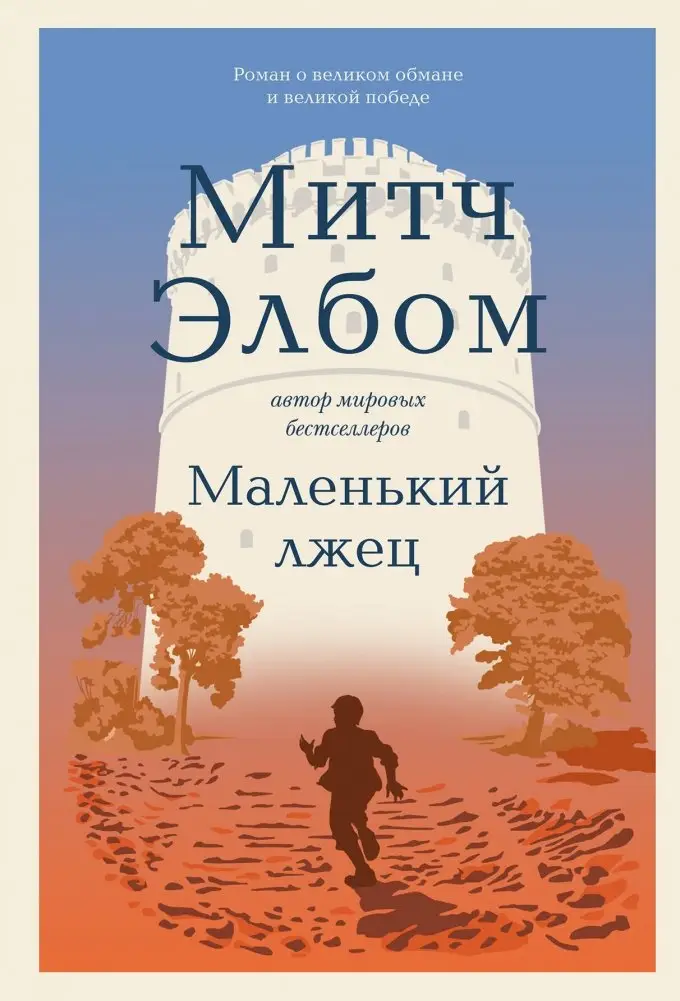
Маленький лжец. Роман-притча | The Little Liar. A Parable Novel
by Элбом Митч
- Age
- 16+
- Pages
- 352
- Year
- 2024
Обзор
«Маленький лжец» – это роман-притча, раскрывающий трагедию еврейского народа и невинных жертв нацизма. Книга исследует поиск истины в мире лжи, размышляя о любви и о том, где кроется настоящая сила. Рассказ ведется от лица самой Правды, показывая, как невероятная ложь выдается за истину. Произведение раскрывает храбрость простых людей и трусость тех, кто избегает расплаты.
Кому подойдёт
- Тем, кто интересуется историей Холокоста и его уроками.
- Читателям, ищущим глубокие размышления о правде и лжи.
- Поклонникам романов-притч с философским подтекстом.
- Тем, кто ценит истории о человеческом мужестве и стойкости.
- Любителям современной прозы, заставляющей задуматься.
Ключевые особенности
- Автор: Элбом Митч
- Год издания: 2024
- Количество страниц: 352
- Тип обложки: твердая
- Серия: Бестселлеры Митча Элбома
Overview
"The Little Liar" is a parable novel that unveils the tragedy of the Jewish people and innocent victims of Nazism. The book explores the search for truth amidst deceit, contemplating love and the source of true strength. Narrated by Truth itself, the story demonstrates how incredible lies are presented as facts. This work reveals the courage of ordinary people and the cowardice of those who evade retribution.
Who it's for
- Those interested in the history of the Holocaust and its lessons.
- Readers seeking deep reflections on truth and lies.
- Fans of parable novels with philosophical undertones.
- Those who appreciate stories of human courage and resilience.
- Admirers of contemporary fiction that provokes thought.
Key features
- Author: Mitch Albom
- Publication Year: 2024
- Page Count: 352
- Cover Type: Hardcover
- Series: Mitch Albom's Bestsellers