 US: 2-4 weeks,
  Europe: 1-2 weeks, 🌍 Worldwide: 1-4 weeks ✈️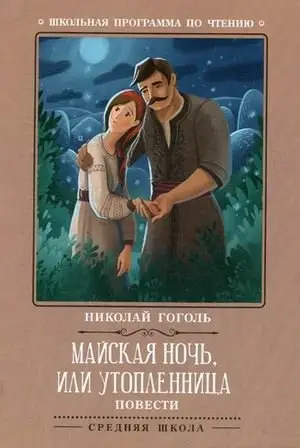
Майская ночь, или Утопленница | May Night, or The Drowned Woman
By Гоголь Николай Васильевич
Майская ночь, или Утопленница
Николай Васильевич Гоголь, 2019
Обзор
«Майская ночь, или Утопленница» — одна из повестей, вошедших в первую часть сборника «Вечера на хуторе близ Диканьки». Это произведение переплетает элементы любви, противостояния, а также народные поверья о ведьмах и русалках. Гоголь, выдающийся писатель первой половины XIX века, известен своим самобытным талантом, черпая вдохновение в украинском быте и мистицизме. Его творчество часто сочетает смешное и страшное, фантастическое и обыденное, отражая колорит малороссийской жизни.
Кому подойдёт
- Любителям классической русской литературы.
- Интересующимся творчеством Н.В. Гоголя.
- Тем, кто ценит мистические и фольклорные мотивы в литературе.
Ключевые особенности
- Язык: Русский
- Страниц: 108
- Тип обложки: мягкая обложка
- Издательство: Феникс
- Год издания: 2019
- Серия: Школьная программа по чтению
- ISBN: 9785222318683
May Night, or The Drowned Woman
Nikolai Vasilievich Gogol, 2019
Overview
"May Night, or The Drowned Woman" is one of the novellas included in the first part of the collection "Evenings on a Farm Near Dikanka." This work intertwines themes of love, conflict, and folk beliefs about witches and mermaids. Gogol, a prominent writer of the first half of the 19th century, is known for his unique talent, drawing inspiration from Ukrainian life and mysticism. His writing often blends the humorous and the frightening, the fantastical and the everyday, reflecting the colorful atmosphere of Little Russia.
Who it's for
- Readers of classic Russian literature.
- Those interested in the works of N.V. Gogol.
- Individuals who appreciate mystical and folklore elements in literature.
Key features
- Language: Russian
- Pages: 108
- Cover type: softcover
- Publisher: Phoenix
- Publication year: 2019
- Series: School Reading Program
- ISBN: 9785222318683