 US: 2-4 weeks,
  Europe: 1-2 weeks, 🌍 Worldwide: 1-4 weeks ✈️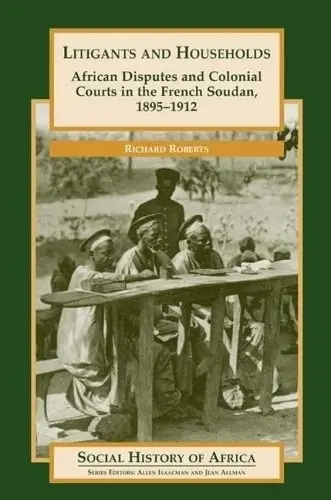
Литиганты и домохозяйства | Litigants and Households
By Roberts Richard L.
Литиганты и домохозяйства
Roberts Richard L.
Обзор
Исследование рассматривает причины, по которым африканцы обращались в новые местные суды с бытовыми спорами после 1905 года. Анализируя 2 062 гражданских дела из четырех провинциальных округов за период с 1905 по 1912 год, автор показывает, как изменения в социальных отношениях, связанные с колониальным завоеванием и отменой рабства, взаимодействовали с институциональными изменениями. Эти закономерности судебных разбирательств выявляют «проблемные зоны» в африканском обществе, предоставляя взгляд на обыденные аспекты повседневной жизни.
Кому подойдёт
- Исследователям социальной истории Африки.
- Специалистам по колониальному периоду.
- Тем, кто интересуется повседневной жизнью и правовыми системами.
Ключевые особенности
- Язык: Английский
- Тип обложки: Paperback
- Страниц: 309
- ISBN: 9780325002583
- Издательство: Alibris(Ingram)
Litigants and Households
Roberts Richard L.
Overview
This study investigates why Africans brought their intimate domestic disputes to newly established native courts after 1905. By examining 2,062 civil disputes from four provincial districts between 1905 and 1912, the author demonstrates how shifts in social relations during accelerated colonial change and the end of slavery interacted with institutional reforms. These litigation patterns highlight 'trouble spots' within African society, offering a lens into the most ordinary aspects of daily life.
Who it's for
- Researchers of African social history.
- Scholars of the colonial period.
- Individuals interested in everyday life and legal systems.
Key features
- Language: English
- Cover Type: Paperback
- Pages: 309
- ISBN: 9780325002583
- Publisher: Alibris(Ingram)