 US: 2-4 weeks,
  Europe: 1-2 weeks, 🌍 Worldwide: 1-4 weeks ✈️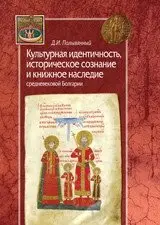
Культурная идентичность, историческое сознание и книжное наследие средневековой Болгарии | Cultural Identity, Historical Consciousness, and the Book Heritage of Medieval Bulgaria
By Полывянный Дмитрий Игоревич
Культурная идентичность, историческое сознание и книжное наследие средневековой Болгарии
Дмитрий Игоревич Полывянный, 2018, Серия: Mediaevalia
Обзор
Книга предлагает всестороннее изучение истории и культуры средневековой Болгарии, анализируя ее уникальное положение в рамках византийско-славянской общности с IX по XV век. Исследуются механизмы формирования болгарской идентичности и эволюция историописания, отраженные в письменных памятниках эпохи, впервые переведенных на русский язык. Несмотря на периоды прерывания государственности, средневековая Болгария создала самобытную культурную модель, определившую национальное самосознание и историческую память.
Кому подойдёт
- Историкам и филологам
- Культурологам и студентам гуманитарных специальностей
- Всем интересующимся историей и культурой средневековой Европы
Ключевые особенности
- Язык: Русский
- Объем: 512 страниц
- Тип обложки: твердый переплёт
- ISBN: 9785987128466
- Издательство: Центр гуманитарных инициатив
- Год издания: 2018
- Серия: Mediaevalia
Cultural Identity, Historical Consciousness, and the Book Heritage of Medieval Bulgaria
Dmitry Igorevich Polyvyanny, 2018, Series: Mediaevalia
Overview
This book offers a comprehensive study of the history and culture of medieval Bulgaria, examining its unique position within the Byzantine-Slavic community from the 9th to the 15th centuries. It explores the mechanisms of Bulgarian identity formation and the evolution of historiography, as reflected in the era's written monuments, some translated into Russian for the first time. Despite periods of interrupted statehood, medieval Bulgaria developed a distinctive cultural model that shaped its national consciousness and historical memory.
Who it's for
- Historians and philologists
- Cultural studies scholars and humanities students
- Readers interested in the history and culture of medieval Europe
Key features
- Language: Russian
- Pages: 512
- Binding: hardcover
- ISBN: 9785987128466
- Publisher: Center for Humanitarian Initiatives
- Year: 2018
- Series: Mediaevalia