 US: 2-4 weeks,
  Europe: 1-2 weeks, 🌍 Worldwide: 1-4 weeks ✈️



Кролики и удавы | Rabbits and Boas
By Искандер Фазиль Абдулович
Кролики и удавы
Фазиль Искандер
Обзор
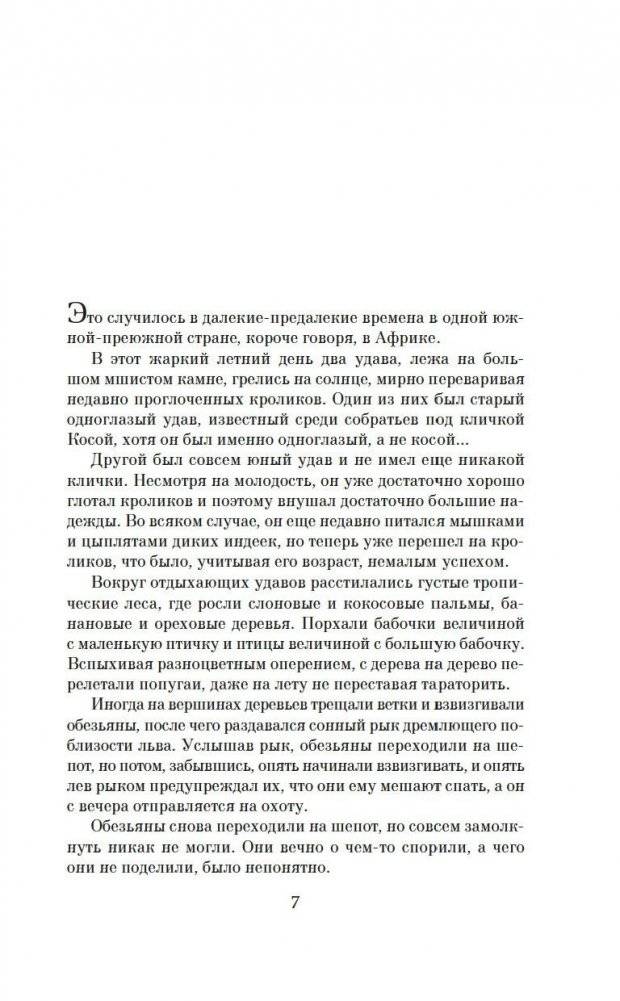
Фазиль Искандер — один из значимых российских писателей XX века. Его произведения часто изображают мир как уменьшенную копию большого мира, где переплетаются мудрость и глупость, хитрость и простодушие, смешное и трагическое. В это издание вошли известные повести автора, написанные в разные годы. Среди них — «Созвездие Козлотура», принесшая ему первую литературную известность, философская сказка-притча «Кролики и удавы» и трогательная история жизни женщины из Чегема «Софичка».
Кому подойдёт
- Любителям русской прозы XX века.
- Тем, кто ценит философские притчи и глубокие истории.
- Читателям, знакомым с творчеством Фазиля Искандера.
Ключевые особенности
- Язык: русский
- Страниц: 432
- Издательство: Азбука
- Серия: Азбука-бестселлер. Русская проза
- Год издания: 2023
- ISBN: 9785389242364
Rabbits and Boas
Fazil Iskander
Overview
Fazil Iskander is recognized as one of the most significant Russian writers of the 20th century. His literary worlds often serve as microcosms of the larger world, reflecting a blend of wisdom and folly, cunning and naivete, the humorous and the tragic. This edition features renowned novellas penned by the author across different periods. Included are "The Constellation of Kozlotur," which first brought him literary acclaim, the philosophical fable-parable "Rabbits and Boas," and the poignant life story of a woman from Chegem, "Sofichka."
Who it's for
- Readers of 20th-century Russian prose.
- Those who appreciate philosophical parables and profound narratives.
- Fans of Fazil Iskander's literary works.
Key features
- Language: Russian
- Pages: 432
- Publisher: Azbuka
- Series: Azbuka-bestseller. Russian Prose
- Publication Year: 2023
- ISBN: 9785389242364