 US: 2-4 weeks,
  Europe: 1-2 weeks, 🌍 Worldwide: 1-4 weeks ✈️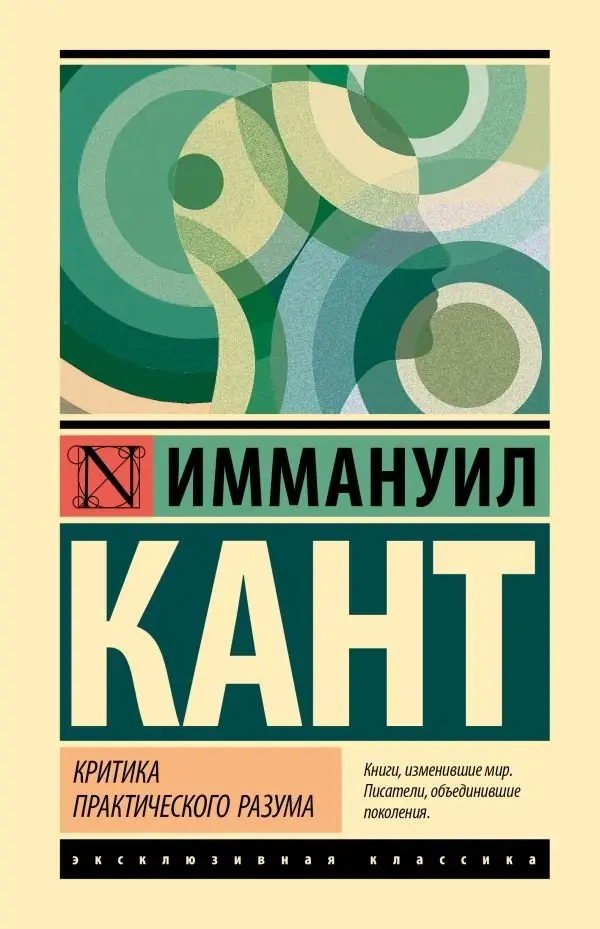
Критика практического разума | Critique of Practical Reason
By Кант Иммануил
Критика практического разума
Обзор
Иммануил Кант – выдающийся философ эпохи Просвещения, основатель немецкой классической философии, в этом томе представляет свой главный этический трактат. «Критика практического разума» развивает идеи «Критики чистого разума» и подробно исследует категорический императив – высший принцип нравственности. В работе анализируются основания долга, свободы и морального закона в строгой систематической форме. Книга предназначена для тех, кто хочет глубоко понять кантовскую этику и её влияние на западную философскую традицию.
Кому подойдёт
- Студенты и исследователи философии
- Преподаватели этики и моральной философии
- Любители эпохи Просвещения
- Читатели, изучающие кантовскую мораль
Ключевые особенности
- Автор: Иммануил Кант
- Год издания: 2024
- 256 страниц, твердая обложка
- Серия: Эксклюзивная классика (Лучшее)
- Возрастная рекомендация: 16+
- ISBN‑13: 9785171675967, язык: русский
Critique of Practical Reason
Overview
Immanuel Kant, the preeminent Enlightenment philosopher and founder of German classical philosophy, presents his major ethical work in this volume. "Critique of Practical Reason" expands the ideas of the "Critique of Pure Reason" and offers a systematic analysis of the categorical imperative, the supreme principle of morality. The treatise examines the foundations of duty, freedom, and moral law in a rigorous, systematic style. It is intended for readers seeking a deep, scholarly understanding of Kantian ethics and its influence on Western philosophical tradition.
Who it's for
- Philosophy students and scholars
- Teachers of ethics and moral philosophy
- Readers interested in Enlightenment thought
- Anyone studying Kant’s moral theory
Key features
- Author: Immanuel Kant
- Publication year: 2024
- 256 pages, hardcover
- Series: Exclusive Classics (Best)
- Age recommendation: 16+
- ISBN‑13: 9785171675967, language: Russian