 US: 2-4 weeks,
  Europe: 1-2 weeks, 🌍 Worldwide: 1-4 weeks ✈️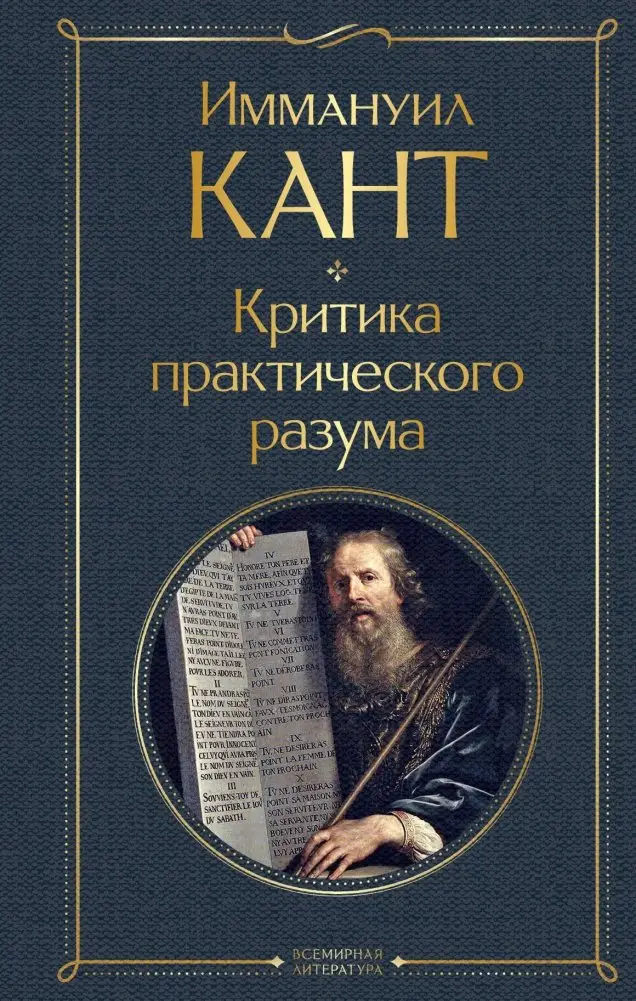
Критика практического разума | Critique of Practical Reason
By Кант Иммануил
Критика практического разума
Обзор
Иммануил Кант – основатель немецкой классической философии и один из ключевых мыслителей эпохи Просвещения, в этом томе излагает свой главный этический трактат. «Критика практического разума» развивает идеи «Критики чистого разума» и подробно исследует категорический императив как высший принцип нравственности. Книга стала поворотным моментом в истории философии, оказав влияние на последующих идеалистов – Фихте, Шеллинга и Гегеля. Выпуск на русском языке, 288 страниц, твердая обложка, возрастное ограничение 16+.
Кому подойдёт
- Студенты, изучающие философию и этику
- Любители эпохи Просвещения
- Продвинутые школьники и студенты (16+)
- Учёные, исследующие влияние Канта на последующих идеалистов
Ключевые особенности
- Автор: Иммануил Кант
- Издано в 2022 г. издательством «Эксмо» в серии «Всемирная литература (новое оформление)»
- 288 страниц, твердая обложка
- Русский язык, ISBN 9785041705961
- Главный этический трактат, раскрывающий понятие категорического императива
- Возрастное ограничение 16+
Critique of Practical Reason
Overview
Immanuel Kant, the founder of German classical philosophy and a central Enlightenment thinker, presents his seminal ethical work in this volume. "Critique of Practical Reason" expands the ideas of his earlier "Critique of Pure Reason" and offers a detailed analysis of the categorical imperative as the supreme principle of morality. The book marks a turning point in the history of philosophical thought, influencing later idealists such as Fichte, Schelling, and Hegel. It is presented in Russian, 288 pages, hardcover, and is intended for readers aged 16 and older.
Who it's for
- Students of philosophy and ethics
- Readers interested in Enlightenment thought
- Advanced high‑school and university learners (16+)
- Scholars studying Kant’s influence on later idealists
Key features
- Author: Immanuel Kant
- Published 2022 by Eksmo in the "World Literature (new edition)" series
- 288 pages, hardcover binding
- Russian language edition, ISBN 9785041705961
- Focuses on Kant's ethical philosophy and the categorical imperative
- Targeted at readers 16 years and older