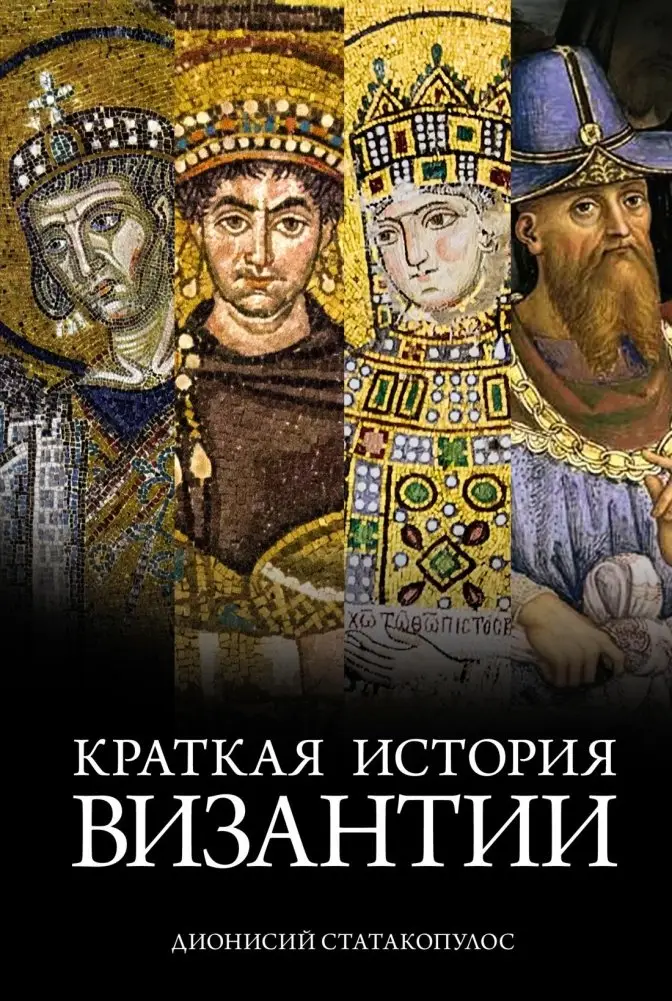
Краткая история Византии | A Brief History of Byzantium
Дионисий Статакопулос, 2023
Обзор
Эта книга прослеживает развитие Византийской империи с IV века до её падения в 1453 году. Возникнув из кризиса Римской империи, Византия стала мощным средневековым государством, занимавшим уникальное положение между Востоком и Западом. Исследователь Дионисий Статакопулос анализирует ключевые этапы её тысячелетней истории, уделяя внимание периодам расцвета и оставленному наследию. Особое внимание уделяется политическим событиям, экономике, социальной структуре и культуре, сделавшим Византию центром искусств и теологии.
Кому подойдёт
- Интересующимся историей Средневековья.
- Тем, кто хочет понять роль Византии в мировой истории.
- Студентам и исследователям истории.
- Читателям, предпочитающим фактологические исторические обзоры.
Ключевые особенности
- Язык: русский
- Страниц: 320
- Тип обложки: твердая обложка
- ISBN: 9785389243026
- Издательство: Азбука
- Серия: Города и люди
- Год издания: 2023
Dionysios Stathakopoulos, 2023
Overview
This book traces the development of the Byzantine Empire from the 4th century until its fall in 1453. Emerging from the crisis of the Roman Empire, Byzantium became a powerful medieval state, occupying a unique position between East and West. Researcher Dionysios Stathakopoulos analyzes the key stages of its thousand-year history, focusing on periods of flourishing and its lasting legacy. Special attention is given to the political events, economy, social structure, and culture that made Byzantium a center of arts and theology.
Who it's for
- Individuals interested in medieval history.
- Those seeking to understand Byzantium's role in world history.
- Students and researchers of history.
- Readers who prefer factual historical overviews.
Key features
- Language: Russian
- Pages: 320
- Binding: Hardcover
- ISBN: 9785389243026
- Publisher: Azbuka
- Series: Cities and People
- Year: 2023