
Кот де Вуар и другие | Cat de Vuar and Others
мягкая обложка
$17.98In stock — ready to ship
- Language
- Русский
- Age
- 16
- Pages
- 100
- Year
- 2021
ISBN: 9785907395312
Обзор
Сборник эстетских сказок, где стиль и ритм слов превалируют над сюжетом. Включает истории с отсылками к классике и литературным памятникам. Примеры: «Сказка о рыбаке» и «Сказка про Балду».
Кому подойдёт
- читатели, интересующиеся литературным стилем
- любители словесной игры и ритма
- фанаты классических отсылок
Ключевые особенности
- 2021 год издания
- 100 страниц, мягкая обложка
- серия RUGRAM_Интернациональный союз писателей
- возраст 16+
Overview
A collection of aesthetic fairy tales emphasizing lyrical language and stylistic artistry. Stories blend historical allusions and literary references, such as «The Fisherman's Tale» and «Bald's Story».
Who it's for
- readers interested in literary style
- those who enjoy wordplay and rhythm
- fans of classical allusions
Key features
- 2021 publication
- 100 pages, soft cover
- RUGRAM International Writers' Union series
- 16+ age range
From the series RUGRAM_Интернациональный союз писателей
Whole series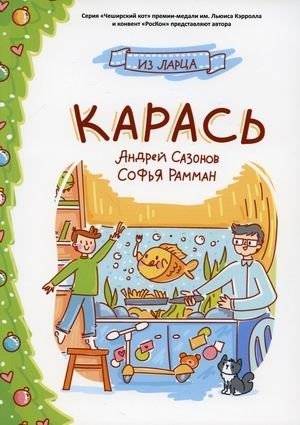 Карась | Crucian Carp$24.99
 Лауреаты Лондонской литературной премии. Альманах-приложение к журналу "Российский колокол" (2015-2019). Выпуск № 2 | Laureates of the London Literary Prize. Almanac-supplement to the journal "Russian Bell" (2015-2019).$51.99
 Российский колокол. Спецвыпуск альманаха. Иллюзориум | Russian Bell. Special edition of the almanac. Illusorium$29.99
 Российский колокол. Журнал художественной литературы. Выпуск № 3-4(31), 2021 | Russian Bell. Journal of Artistic Literature. Issue No. 3-4(31), 2021$34.99
 Российский колокол. Альманах. Выпуск № 2/2021 | Russian Bell. Almanac. Issue No. 2/2021$38.99
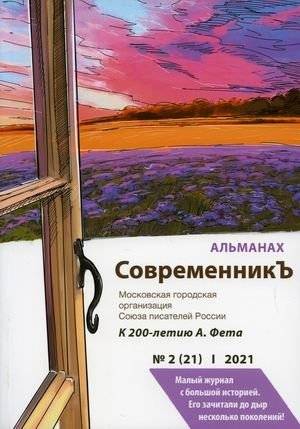 СовременникЪ. Альманах. Выпуск № 2(21), 2021 | Sovremennik. Almanac. Issue No. 2(21), 2021$32.99
More on the shelf Российская литература (проза, сборники разных жанров)
Browse the shelf Дочки-матери | Daughters and Mothers$21.99
 Язык цветов | The Language of Flowers$35.99
 Командный игрок | Team Player$19.99
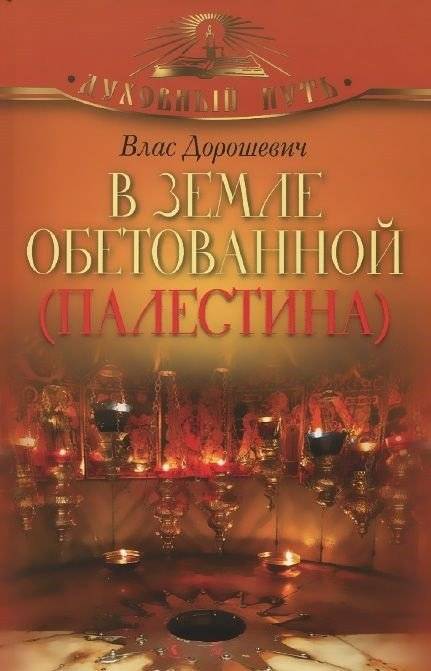 В земле обетованной | In the Promised Land$26.99
 Истории Эльвиры Смелик (комплект из 2-х книг) | Elvira Smelik's Stories (2-Book Set)$68.99
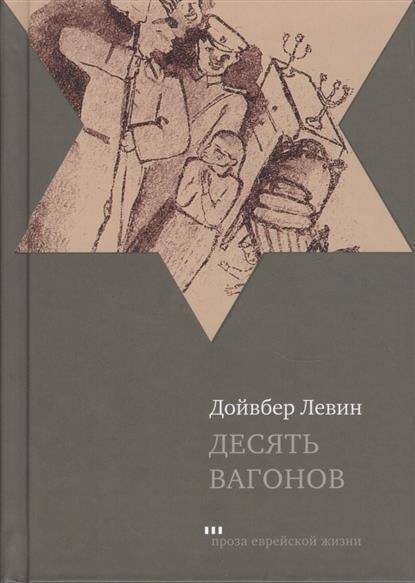 Десять вагонов | Ten Train Cars$38.99
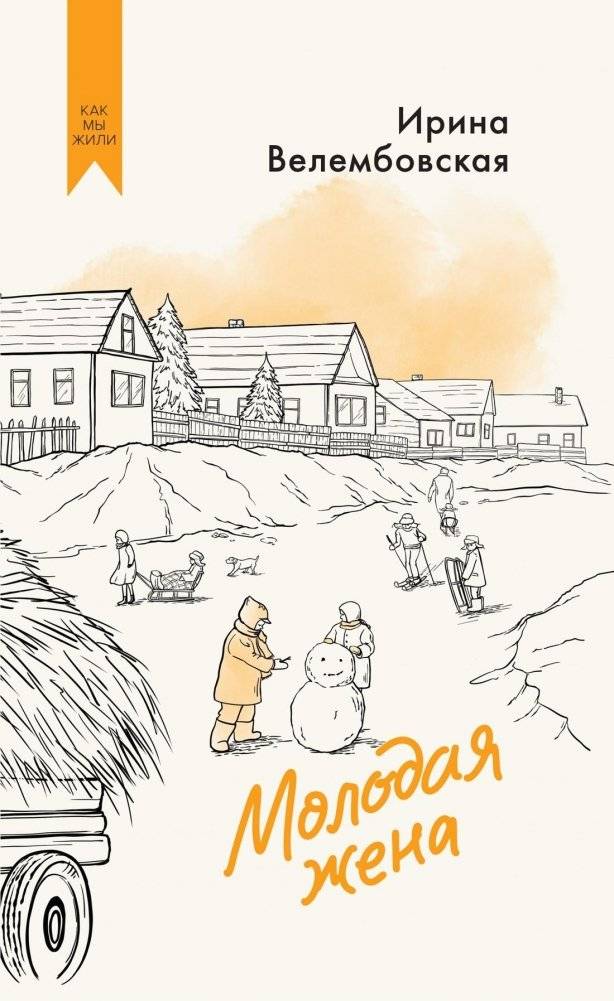 Молодая жена | A Young Wife$40.99
 Молодая жена | A Young Wife$40.99
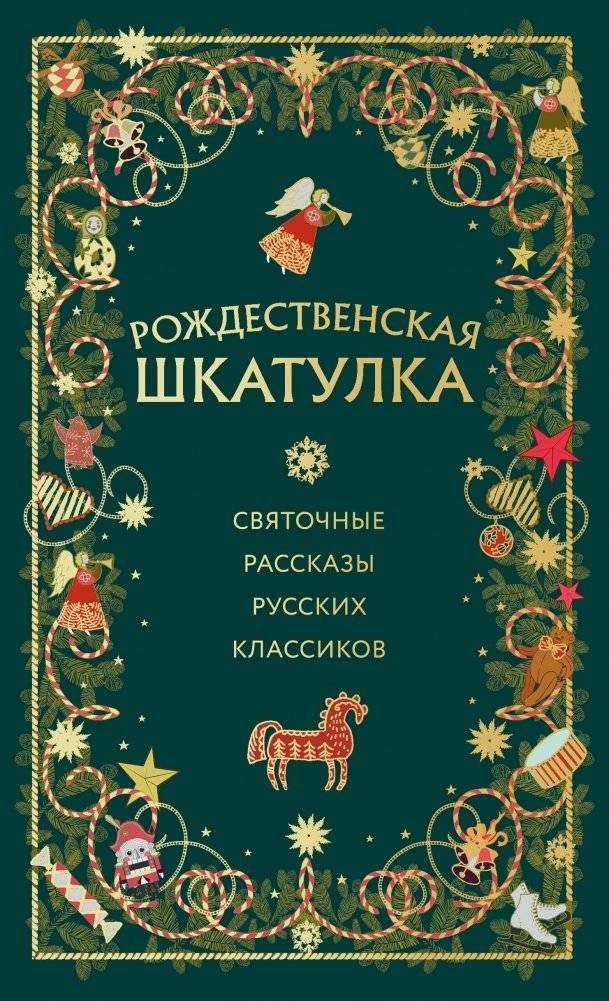 Рождественская шкатулка: святочные рассказы русских классиков | A Christmas Collection: Holiday Stories by Russian Classics$30.99
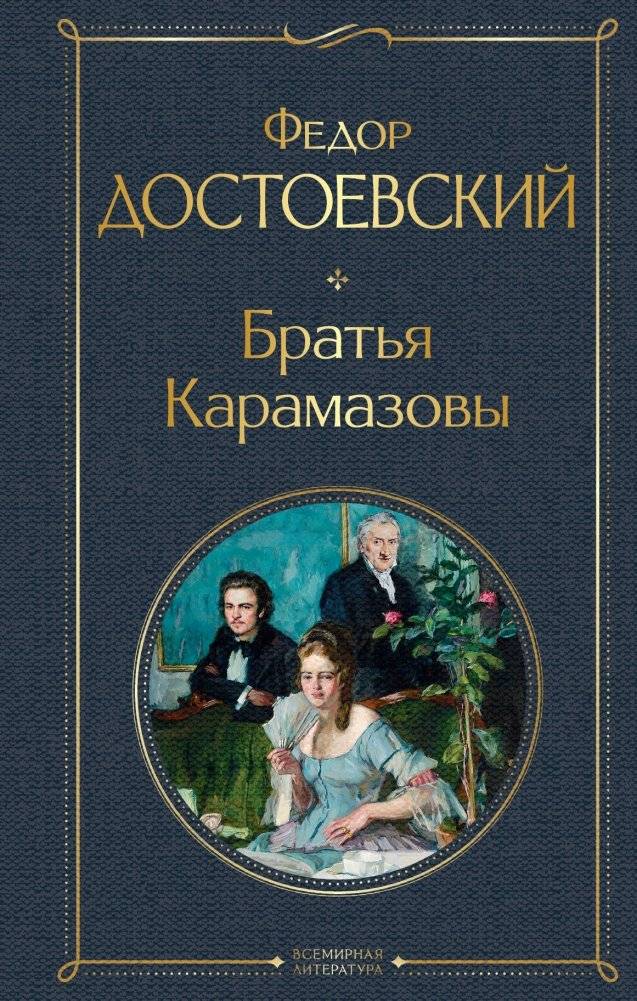 Братья Карамазовы | The Brothers Karamazov$35.99
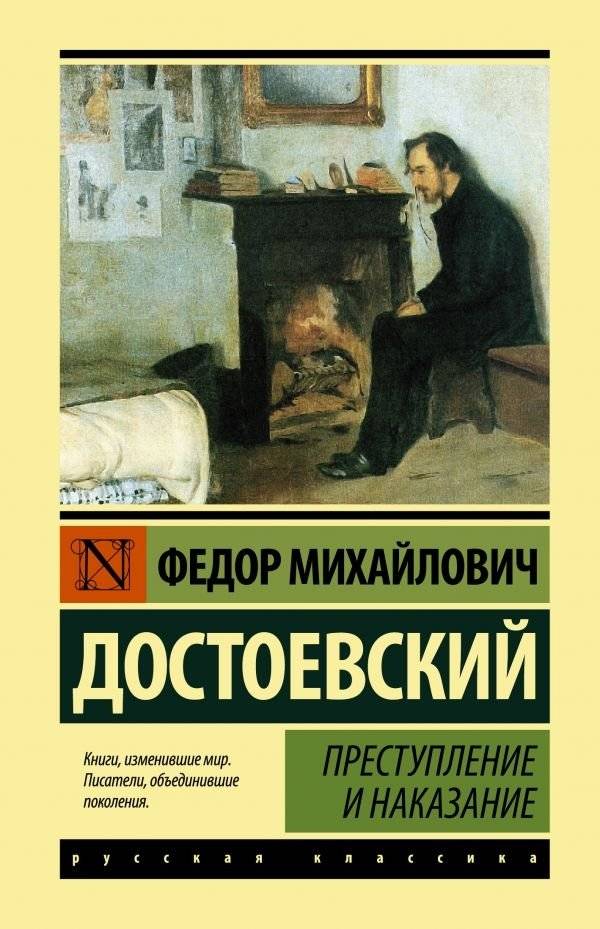 Преступление и наказание | Crime and Punishment$60.99
 Преступление и наказание | Crime and Punishment$35.99