 US: 2-4 weeks,
  Europe: 1-2 weeks, 🌍 Worldwide: 1-4 weeks ✈️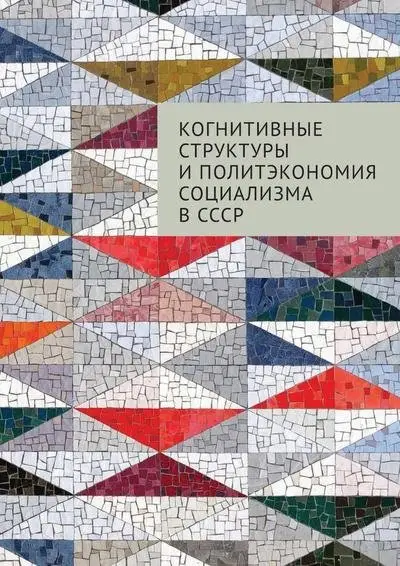
Когнитивные структуры и политэкономия социализма в СССР: ретроспектива эволюции экономической теории | Cognitive Structures and Political Economy of Socialism in the USSR: Retrospective of Economic Theory Evolution
By Греховский П. А.
Когнитивные структуры и политэкономия социализма в СССР: ретроспектива эволюции экономической теории
Греховский П. А., 2022
Обзор
В работе Греховского П. А. представлена ретроспектива эволюции экономической теории СССР во второй половине ХХ в. в свете дискурсивного анализа. Дискуссии о социализме в 1950-1960-х гг. велись не только экономистами, но и философами, оказав большое влияние на речевые практики коммунистических лидеров. Когнитивный тупик политэкономии социализма в 1970-х гг. был связан с логическими противоречиями в определении государственной собственности. Широкая палитра взглядов советских и зарубежных историков на причины краха СССР оставляет вопрос о возможностях интерпретаций итогов социалистического эксперимента в России открытым.
Кому подойдёт
- Всем, кто интересуется историей развития экономической теории в СССР.
- Тем, кто изучает дискуссии о социализме в СССР и их влияние на политику.
- Читателям, интересующимся причинами краха СССР и различными интерпретациями этого события.
Ключевые особенности
- Язык: русский
- Страниц: 368
- Издательство: Алетейя
- Штрих код: 9785001655978
- Год: 2022
Cognitive Structures and Political Economy of Socialism in the USSR: Retrospective of Economic Theory Evolution
Греховский П. А., 2022
Overview
This work by Grekhovsky P. A. presents a retrospective of the evolution of economic theory in the USSR in the second half of the 20th century through discursive analysis. Discussions about socialism in the 1950s and 1960s were conducted not only by economists but also by philosophers, significantly influencing the speech practices of communist leaders. The cognitive impasse of the political economy of socialism in the 1970s was linked to logical contradictions in the definition of state property. A broad range of views from Soviet and foreign historians on the causes of the collapse of the USSR leaves open the question of possible interpretations of the results of the socialist experiment in Russia.
Who it's for
- Those interested in the history of the development of economic theory in the USSR.
- Readers studying discussions about socialism in the USSR and their impact on politics.
- Anyone curious about the reasons for the collapse of the USSR and different interpretations of this event.
Key features
- Language: Russian
- Pages: 368
- Publisher: Aleteyya
- EAN: 9785001655978
- Year: 2022