 US: 2-4 weeks,
  Europe: 1-2 weeks, 🌍 Worldwide: 1-4 weeks ✈️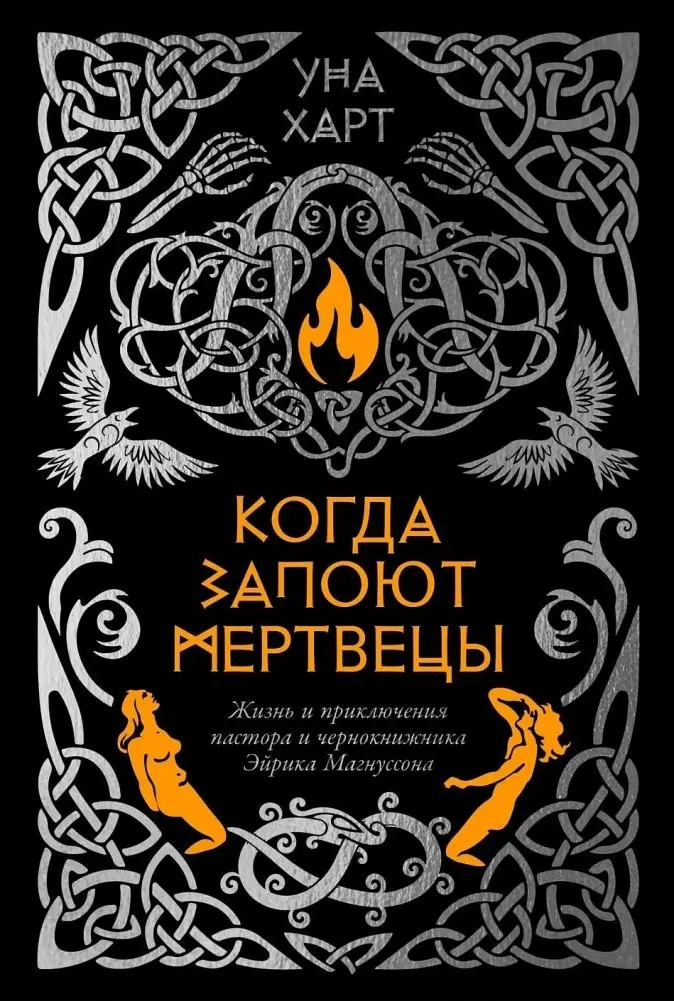
Когда запоют мертвецы. Жизнь и приключения пастора и чернокнижника Эйрика Магнуссона | When the Dead Sing: The Life and Adventures of Eirik Magnusson, Pastor and Sorcerer
By Харт Уна
Когда запоют мертвецы. Жизнь и приключения пастора и чернокнижника Эйрика Магнуссона
Обзор
В Исландии XVII века, в стенах семинарии, где помимо теологии и риторики юные студенты тайно изучают гальдр — древнее колдовство. Трое амбициозных друзей, обнаружив, что на церковном кладбище покоится старик с легендарным гримуаром «Серая кожа», решают испытать свои силы. Ночью, проникнув на погост, они случайно пробуждают не одного мертвеца, а целое полчище потусторонних сущностей. Это захватывающая атмосферная история, мастерски написанная в жанре магического реализма, основанная на исландском фольклоре о преподобном Эйрике Магнуссоне — уникальном персонаже, совмещавшем сан священника и искусство чернокнижника.
Кому подойдёт
- Поклонники магического реализма и исторического фэнтези.
- Любители мистики, ужасов и историй с фольклорными мотивами.
- Читатели, интересующиеся скандинавской культурой и мифологией.
- Ценители атмосферной прозы и глубоких психологических портретов.
Ключевые особенности
- Автор: Харт Уна
- Год издания: 2025
- Количество страниц: 512
- Тип обложки: твердая
- Издательство: Альпина. Проза
- Возрастное ограничение: 18+
When the Dead Sing: The Life and Adventures of Eirik Magnusson, Pastor and Sorcerer
Overview
Set in 17th-century Iceland, this atmospheric tale unfolds within a seminary where young students secretly master galdr, an ancient form of sorcery, alongside their theological studies. Three ambitious friends discover a legendary grimoire, 'Grey Skin,' buried with an old man in the churchyard, prompting them to test their burgeoning magical abilities. Their nocturnal venture into the graveyard inadvertently awakens not just one, but a host of the deceased. This masterfully crafted novel, steeped in magical realism, draws inspiration from Icelandic folklore surrounding Eirik Magnusson—a remarkable figure who was both a pastor and a practitioner of dark arts.
Who it's for
- Readers who appreciate magical realism and historical fantasy.
- Fans of gothic horror, mysticism, and folklore-inspired narratives.
- Individuals interested in Scandinavian culture, history, and mythology.
- Those who enjoy atmospheric prose and rich character development.
Key features
- Author: Una Hart
- Publication Year: 2025
- Page Count: 512 pages
- Binding: Hardcover
- Publisher: Alpina. Proza
- Age Rating: 18+