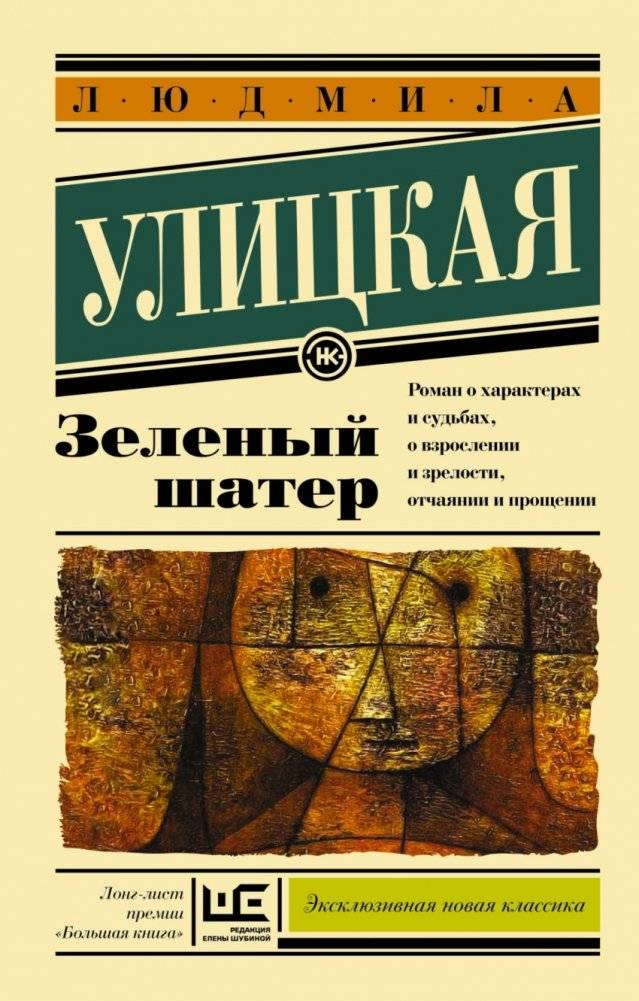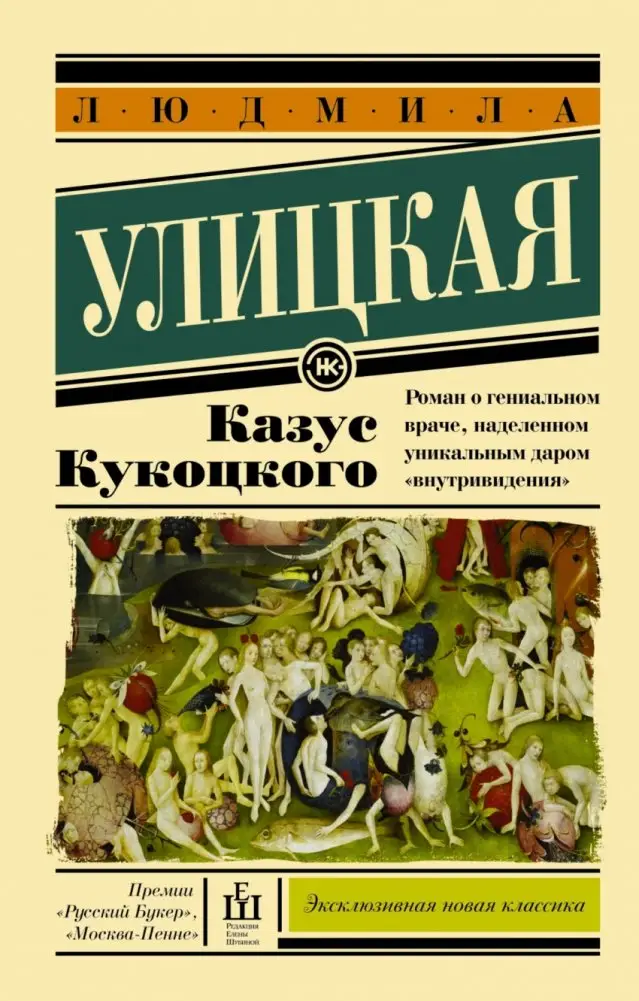



Казус Кукоцкого | The Kukotsky Case
Людмила Улицкая | 2015 | Эксклюзивная новая классика
Обзор
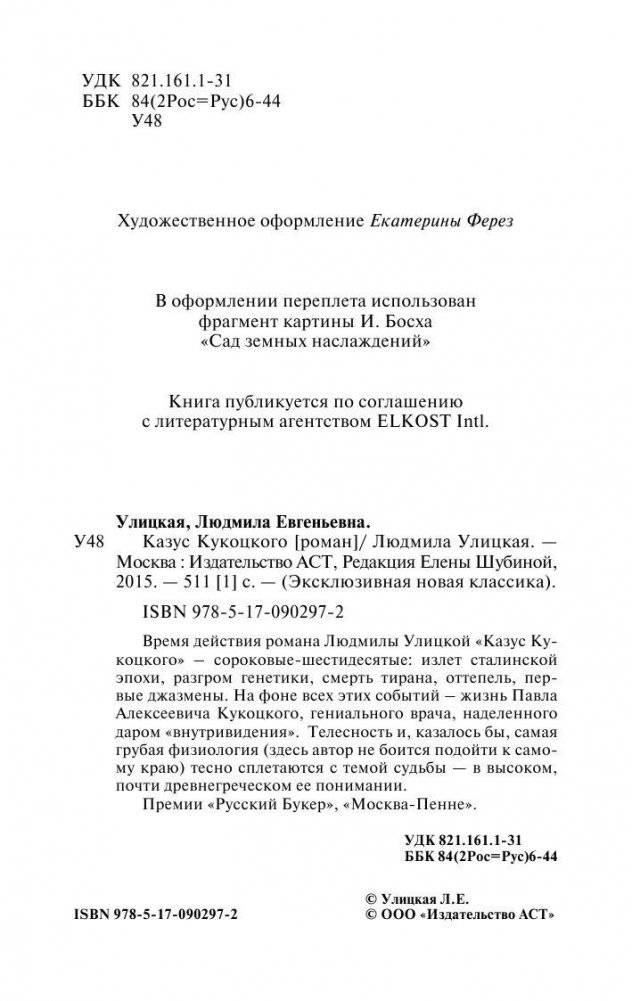
Роман «Казус Кукоцкого» погружает читателя в период с сороковых по шестидесятые годы XX века, охватывая смену эпох: от заката сталинского режима и разгрома генетики до оттепели и появления первых джазменов. В центре повествования — жизнь Павла Алексеевича Кукоцкого, выдающегося врача, обладающего уникальным даром «внутривидения». Произведение исследует тесную связь между телесностью, физиологией и судьбой человека в её высоком, почти античном понимании.
Кому подойдёт
- Любителям русской прозы, исследующей исторические и социальные изменения.
- Читателям, интересующимся психологией и сложными человеческими судьбами.
- Тем, кто ценит глубокое осмысление взаимосвязи телесного и духовного.
Ключевые особенности
- Язык: русский
- Объем: 512 страниц
- Издательство: АСТ
- Серия: Эксклюзивная новая классика
- Год издания: 2015
- ISBN: 9785170902972
Lyudmila Ulitskaya | 2015 | Exclusive New Classics
Overview
The novel 'The Kukotsky Case' is set between the 1940s and 1960s, a period encompassing the end of the Stalin era, the suppression of genetics, the tyrant's death, the Thaw, and the emergence of early jazz musicians. Against this backdrop unfolds the life of Pavel Alekseevich Kukotsky, a brilliant physician gifted with the ability of 'inner vision.' The narrative intricately weaves together the themes of the physical body and its most basic physiology with the concept of fate, understood in a profound, almost ancient Greek sense.
Who it's for
- Readers of Russian literature exploring historical and social transformations.
- Those interested in psychological depth and complex human destinies.
- Individuals who appreciate profound explorations of the connection between the physical and the spiritual.
Key features
- Language: Russian
- Pages: 512
- Publisher: AST
- Series: Exclusive New Classics
- Publication Year: 2015
- ISBN: 9785170902972