 US: 2-4 weeks,
  Europe: 1-2 weeks, 🌍 Worldwide: 1-4 weeks ✈️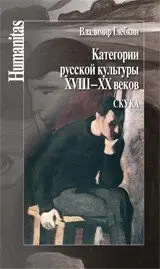
Категории русской культуры XVIII-XX веков. Скука | Categories of Russian Culture of the 18th-20th Centuries: Boredom
By Глебкин Владимир Владиславович
Категории русской культуры XVIII-XX веков. Скука
Глебкин Владимир Владиславович, 2018, Серия: Humanitas
Обзор
Эта монография открывает проект, посвященный ключевым категориям русской культуры XVIII–XX веков. Исследуются такие понятия, как Россия, Запад, народ, интеллигенция, пошлость, мещанство и скука. Особое внимание уделяется генезису и эволюции лексического комплекса «скука» в сравнении с его западными аналогами, такими как ennui, Langeweile, spleen, и синонимичными русскими выражениями, включая уныние, тоска и хандра. Теоретической основой служит социокультурная теория лексических комплексов (СТЛК).
Кому подойдёт
- Студентам и аспирантам гуманитарных факультетов.
- Специалистам, интересующимся русской культурой XVIII–XX веков.
- Читателям, изучающим историю понятий и лексические комплексы.
Ключевые особенности
- Язык: Русский
- Страниц: 432
- Издательство: Центр гуманитарных инициатив
- Серия: Humanitas
- Год издания: 2018
- ISBN: 9785987128404
Categories of Russian Culture of the 18th-20th Centuries: Boredom
Vladimir Vladimirovich Glebkin, 2018, Series: Humanitas
Overview
This monograph is the first book in a project dedicated to describing fundamental categories of Russian culture from the 18th to the 20th centuries. It examines concepts such as Russia, the West (Europe), the people, the intelligentsia, vulgarity, philistinism, and boredom. The study focuses on the genesis and evolution of the lexical complex 'boredom,' comparing it with Western equivalents like ennui, Langeweile, spleen, and Russian synonyms such as unynie, toska, and khandra. The theoretical framework is based on the Sociocultural Theory of Lexical Complexes (STLK).
Who it's for
- University students and postgraduate researchers in humanities.
- Specialists interested in the problems of Russian culture during the specified period.
- Readers studying the history of concepts and lexical complexes.
Key features
- Language: Russian
- Pages: 432
- Publisher: Center for Humanitarian Initiatives
- Series: Humanitas
- Publication Year: 2018
- ISBN: 9785987128404