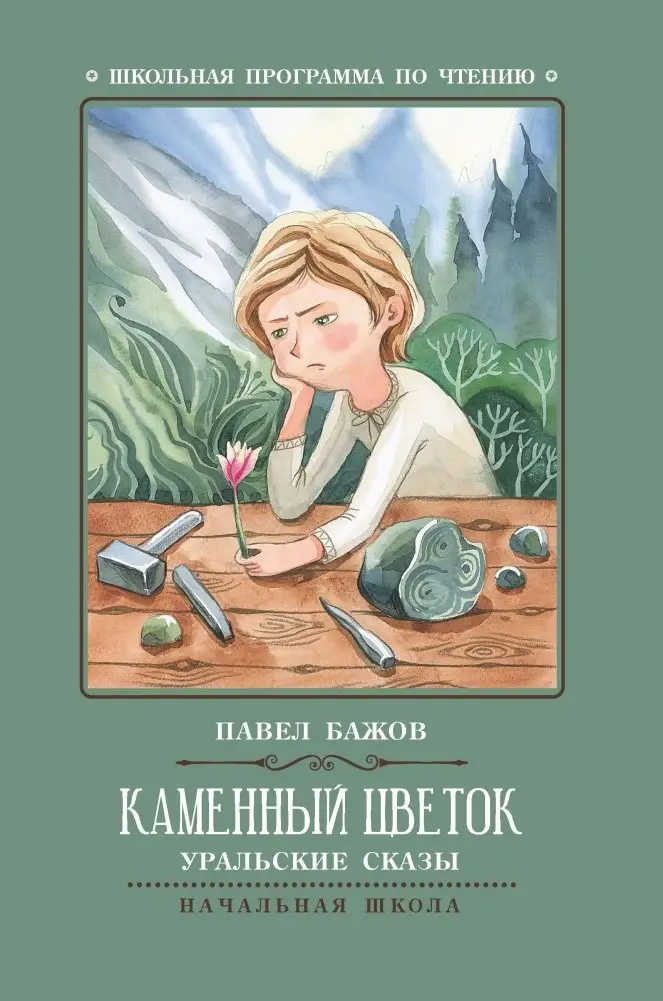
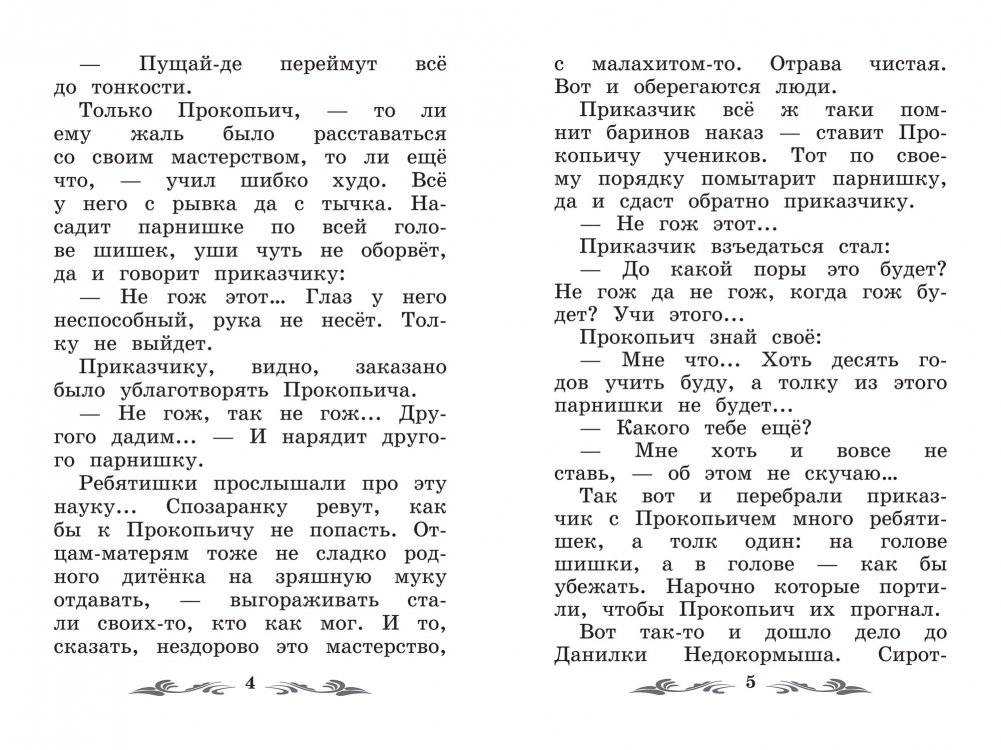
Каменный цветок. Уральские сказы | The Stone Flower: Ural Tales
Павел Бажов
Обзор
Павел Бажов, известный советский писатель и фольклорист, создал уникальные уральские сказы, основанные на «рабочем фольклоре». Его произведения черпают вдохновение из жизни и труда уральских мастеров, таких как камнерезы и гранильщики. В центре сюжетов — простые, трудолюбивые люди, которые находят счастье в своем ремесле. Часто им помогают мифологические персонажи, олицетворяющие дух Уральских гор и их богатства. Эти сказы раскрывают темы мастерства, честности и вознаграждения за добродетель.
Кому подойдёт
- Любителям русского фольклора и народных преданий.
- Читателям, интересующимся историей и культурой Урала.
- Детям и подросткам для знакомства с классической литературой.
Ключевые особенности
- Язык: Русский
- Страниц: 79
- Тип обложки: мягкая обложка
- Издательство: Феникс
- Серия: Школьная программа по чтению
- Год издания: 2021
- ISBN: 9785222365427
Pavel Bazhov
Overview
Pavel Bazhov, a renowned Soviet writer and folklorist, is celebrated for his distinctive Ural tales, deeply rooted in the region's "working folklore." His narratives draw inspiration from the lives and crafts of Ural artisans, including stonecutters and gem polishers. The stories often center on ordinary, hardworking individuals who find fulfillment in their skills. These tales frequently feature mythological figures embodying the spirit of the Ural Mountains and their treasures, highlighting themes of craftsmanship, integrity, and the rewards of virtue.
Who it's for
- Readers interested in Russian folklore and traditional legends.
- Those curious about the history and culture of the Ural region.
- Children and young adults exploring classic literature.
Key features
- Language: Russian
- Pages: 79
- Binding: Softcover
- Publisher: Phoenix
- Series: School Reading Program
- Year: 2021
- ISBN: 9785222365427
More by Бажов Павел Петрович
All books by this author

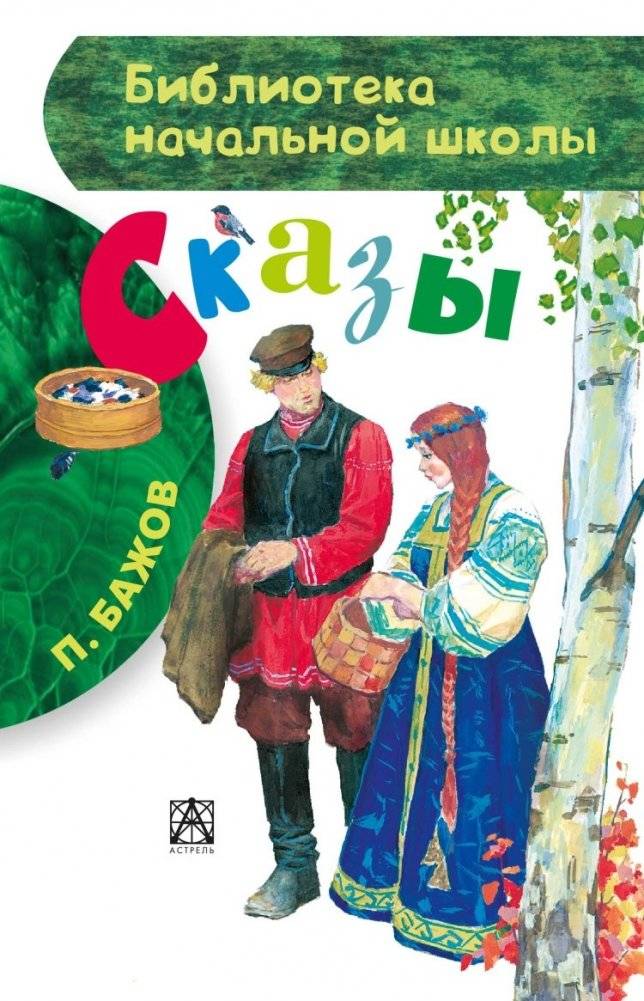
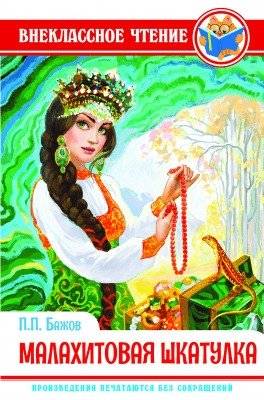
From the series Школьная программа по чтению
Whole series Что я видел. Зоосад | What I Saw. The Zoo$14.99
 Записки охотника | A Hunter's Notes$13.99
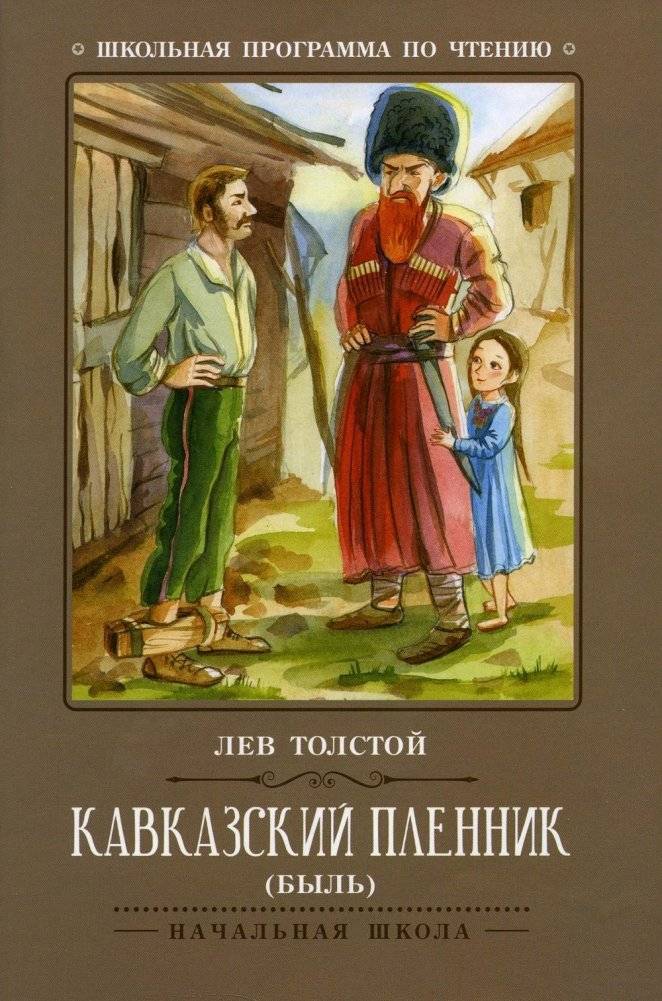 Кавказский пленник. Быль | A Prisoner of the Caucasus. A True Story$12.99
 Кавказский пленник | A Prisoner of the Caucasus$11.99
 Севастопольские рассказы. Севастополь в августе | Sevastopol Sketches. Sevastopol in August$14.99
 Повести Белкина | Belkin's Tales$14.99
More on the shelf Классические сказки
Browse the shelf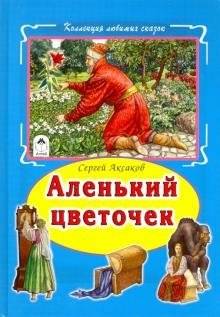 Аленький цветочек$22.99
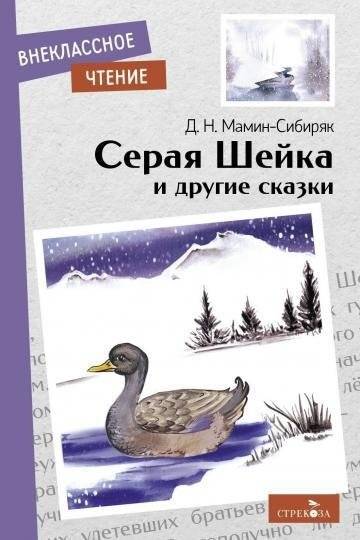 Серая шейка и другие сказки | Gray Neck and Other Tales$14.99
 Золотой ключик, или приключения Буратино | The Golden Key, or the Adventures of Buratino$34.99
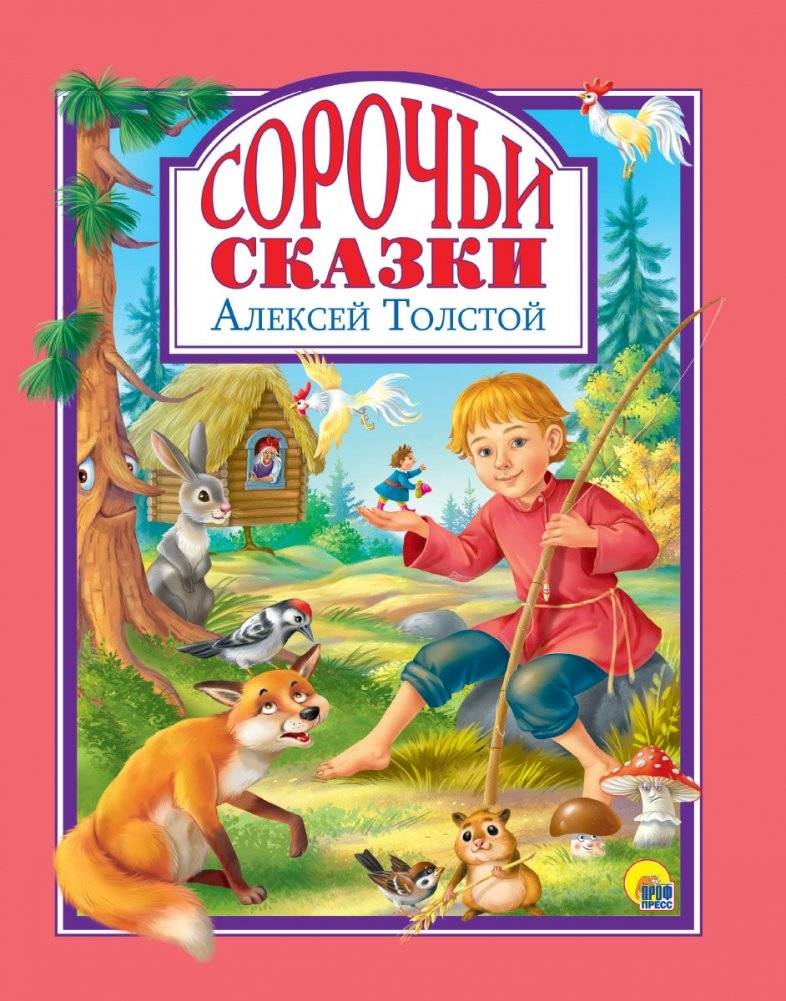 Сорочьи сказки | Magpie Tales$30.99
 Алёнушкины сказки | Alyonushka's Fairy Tales$15.99
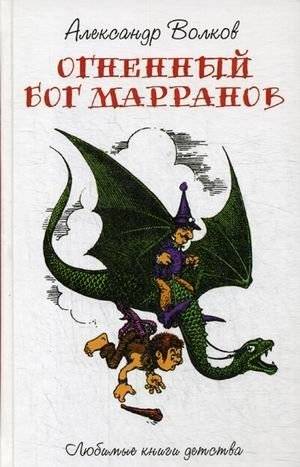 Огненный Бог Марранов | The Fiery God of the Marrans$16.99
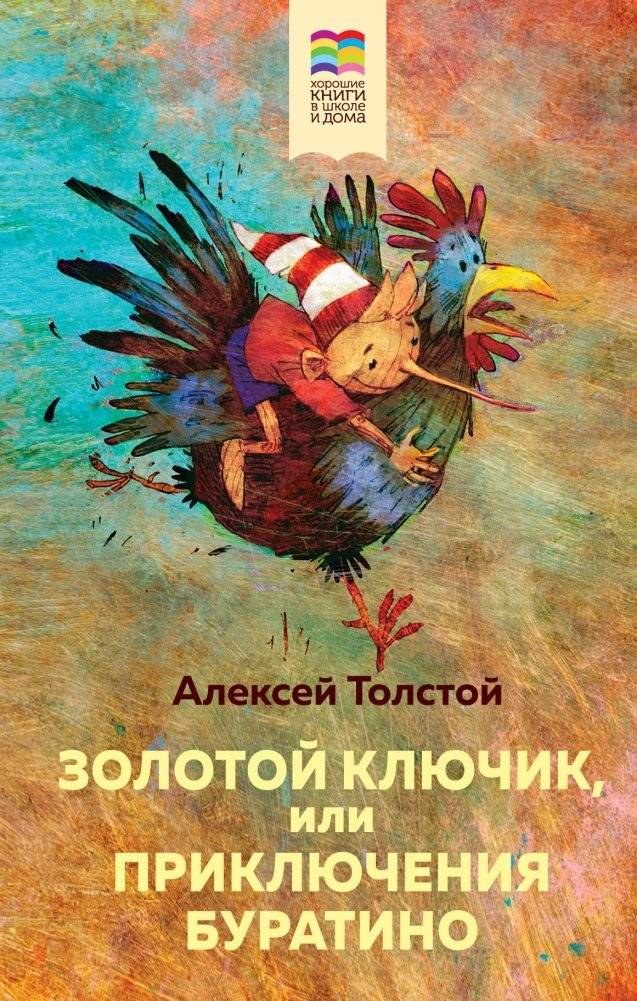 Золотой ключик, или Приключения Буратино | The Golden Key, or the Adventures of Buratino$26.99
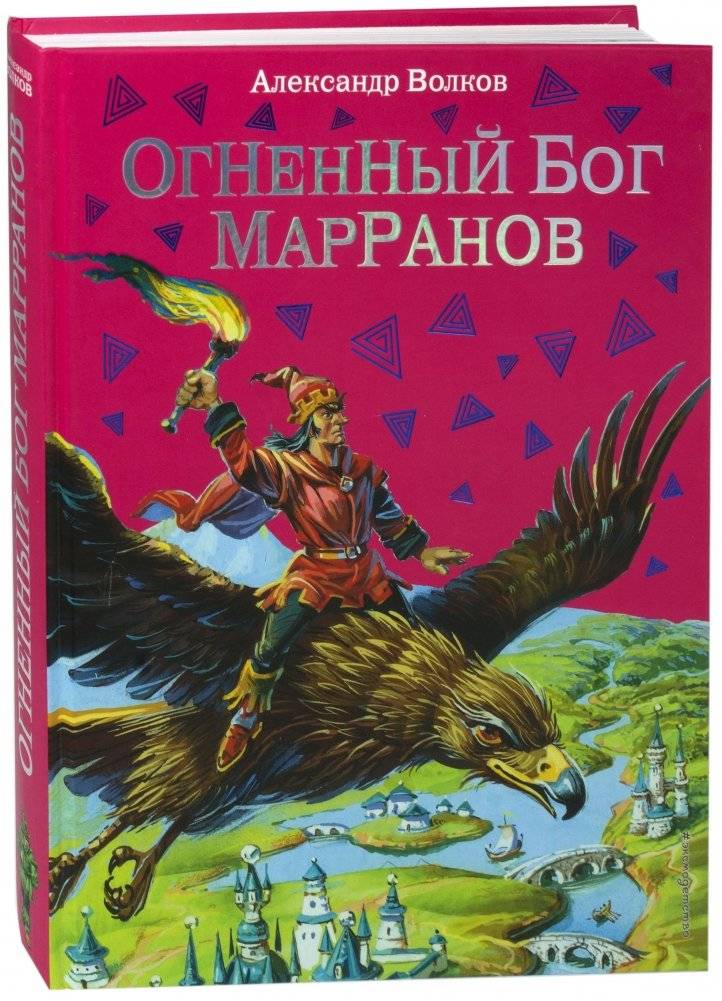 Огненный бог Марранов | The Fire God of the Marrans$55.99
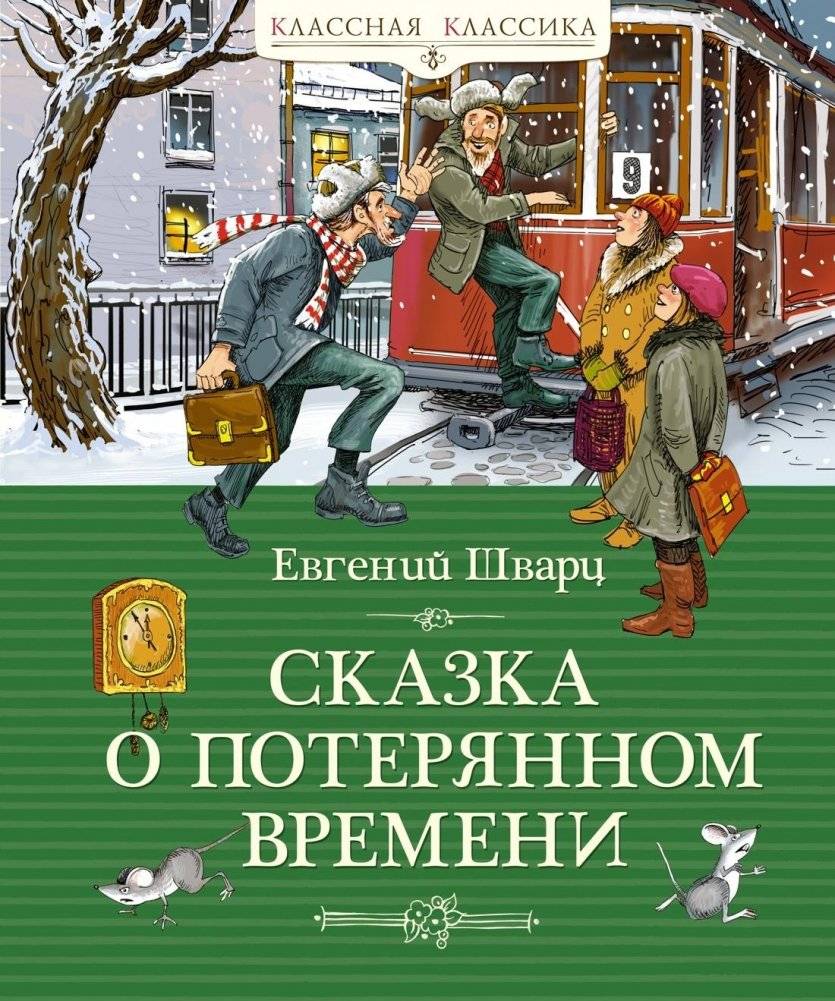 Сказка о потерянном времени | The Tale of Lost Time$35.99
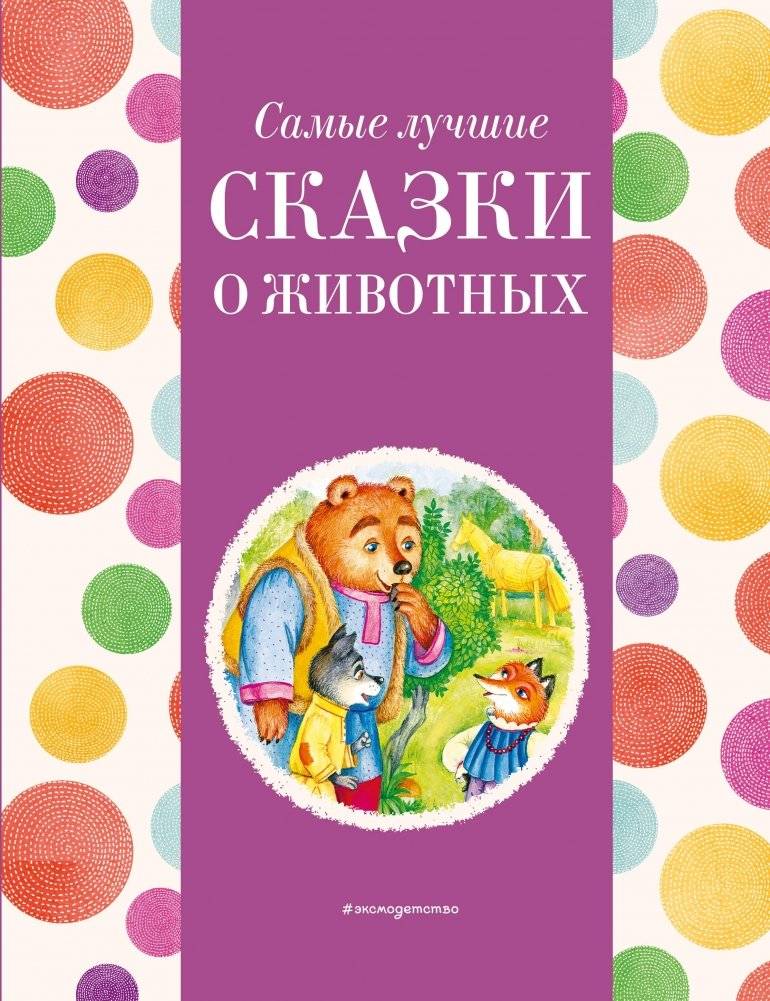 Самые лучшие сказки о животных | Best Animal Fairy Tales$36.99
 Желтый Туман | Yellow Fog$50.99
 Сказки о животных | Animal Tales$14.99