 US: 2-4 weeks,
  Europe: 1-2 weeks, 🌍 Worldwide: 1-4 weeks ✈️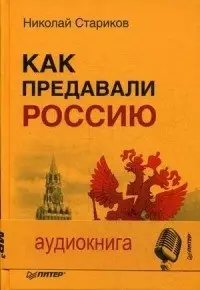
Как предавали Россию (+ CD-ROM) | How Russia Was Betrayed
By Стариков Николай Викторович
Как предавали Россию (+ CD-ROM)
Николай Стариков, 2015
Обзор
Книга исследует причины международной изоляции России и постоянные обвинения в адрес страны, независимо от политического режима. Автор утверждает, что союзы с другими государствами на протяжении 300 лет, включая период правления Романовых, Временного правительства и Гражданской войны, оказывали губительное влияние на историю России. Рассматривается роль Антанты в Гражданской войне и происхождение германского фашизма. Поднимается вопрос о том, почему Россия не имеет друзей, и предлагается пересмотреть внешнеполитический курс.
Кому подойдёт
- Читателям, интересующимся историей России и геополитикой.
- Тем, кто хочет понять причины текущей международной ситуации.
- Любителям аналитических работ Николая Старикова.
Ключевые особенности
- Язык: Русский
- Страниц: 336
- Тип обложки: твердый переплет + суперобложка
- Издательство: Питер
- Год издания: 2015
- ISBN: 9785496020121
How Russia Was Betrayed (+ CD-ROM)
Nikolai Starikov, 2015
Overview
This book examines the reasons for Russia's international isolation and the constant accusations leveled against the country, regardless of its political regime. The author argues that alliances with other states over the past 300 years, including the periods of Romanov rule, the Provisional Government, and the Civil War, have had a detrimental impact on Russia's history. It discusses the role of the Entente in the Civil War and the origins of German fascism. The work questions why Russia lacks friends and suggests a reevaluation of its foreign policy course.
Who it's for
- Readers interested in Russian history and geopolitics.
- Those seeking to understand the reasons behind the current international situation.
- Fans of Nikolai Starikov's analytical works.
Key features
- Language: Russian
- Pages: 336
- Binding: Hardcover + dust jacket
- Publisher: Piter
- Publication Year: 2015
- ISBN: 9785496020121