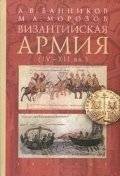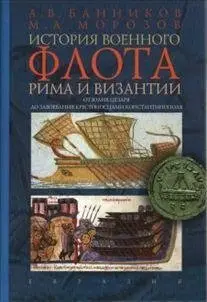
История военного флота Рима и Византии (от Юлия Цезаря до завоевания крестоносцами Константинополя) | History of the Roman and Byzantine Navies (From Julius Caesar to the Crusader Conquest of Constantinople)
by Банников Андрей Валерьевич , …
Андрей Валерьевич Банников, Максим Анатольевич Морозов, 2017
Обзор
В книге исследуется возникновение и развитие регулярного римского флота, а также его значение в вооруженных силах Римской и последующей Византийской империй. После доминирования Рима в Средиземноморье флот играл ограниченную роль в поддержании могущества, тогда как речные эскадры на Рейне и Дунае имели важное значение. Особое внимание уделяется усилиям по поддержанию боеспособности флотилий, особенно в IV-V веках. В византийский период, с появлением арабов-мусульман, военно-морской флот приобрел возросшее значение. Противостояние с мусульманами продолжалось с VII по X век, после чего Византия восстановила господство в Восточном Средиземноморье. Однако к XI веку флот, как и сама империя, начал приходить в упадок, что привело к зависимости от итальянских морских держав и негативно сказалось на экономике и суверенитете Византии.
Кому подойдёт
- Всем, кто интересуется военным делом Античности и Средневековья.
- Специалистам-историкам.
Ключевые особенности
- Язык: русский
- Год издания: 2017
- Издательство: Евразия
- Тип обложки: твердый переплет
- Количество страниц: 590
- ISBN: 9785918521793
Andrey Valerievich Bannikov, Maxim Anatolyevich Morozov, 2017
Overview
This book examines the emergence and evolution of the Roman regular navy and its role within the armed forces of both the Roman and later the Byzantine Empires. Following Rome's victory over Mediterranean powers, its navy played a limited role in expanding and maintaining Roman might, while riverine squadrons patrolling the Rhine and Danube borders were more significant. The government consistently invested considerable effort in keeping these flotillas combat-ready, particularly in the 4th-5th centuries. The importance of the navy grew during the Byzantine era with the rise of Muslim Arabs, who fiercely attacked the Empire by land and sea. The conflict between the Greeks and Muslims at sea saw fluctuating success from the 7th to the 10th centuries. By the 10th century, the Byzantines reasserted dominance in the Eastern Mediterranean. However, by the 11th century, the navy, like the Empire itself, entered a period of deep decline. Facing new Western adversaries, the Byzantines increasingly relied on the fleets of Italian city-states like Venice and Genoa, which ultimately had a catastrophic impact on Byzantium's economy and sovereignty.
Who it's for
- Individuals interested in the military history of Antiquity and the Middle Ages.
- Professional historians.
Key features
- Language: Russian
- Year of Publication: 2017
- Publisher: Eurasia
- Binding: Hardcover
- Number of Pages: 590
- ISBN: 9785918521793