 US: 2-4 weeks,
  Europe: 1-2 weeks, 🌍 Worldwide: 1-4 weeks ✈️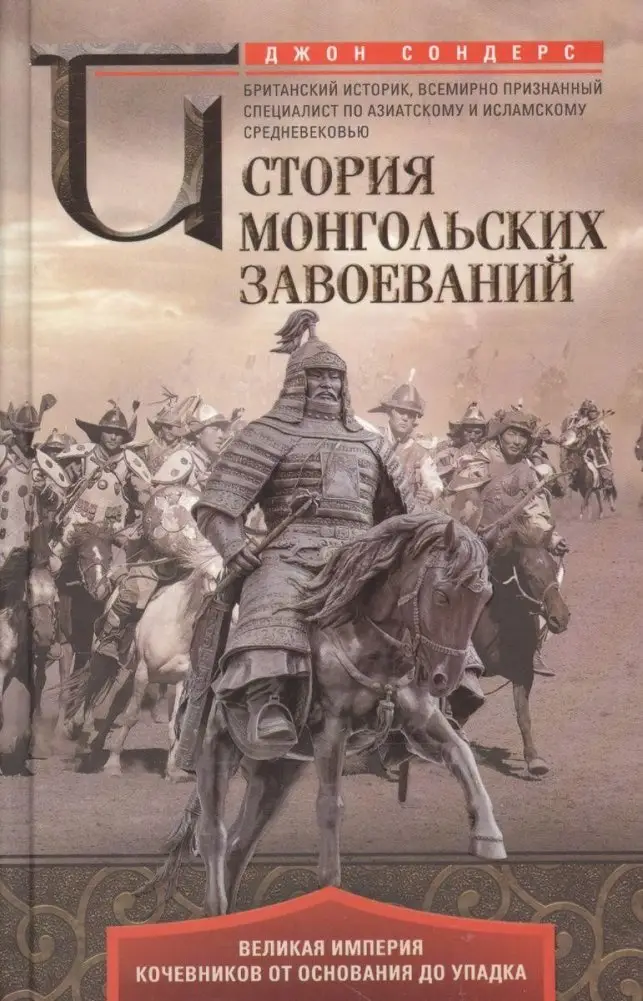
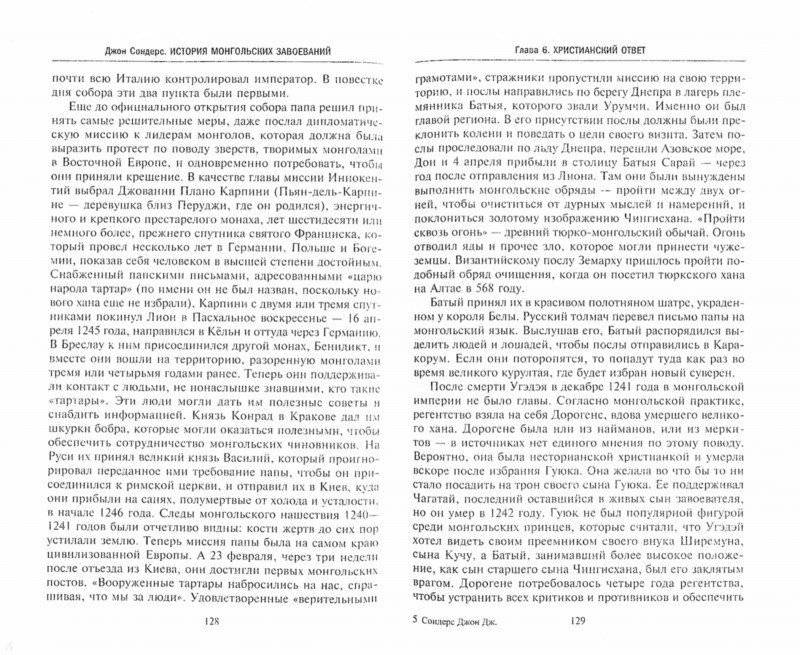
История монгольских завоеваний. Великая империя кочевников от основания до упадка | The History of the Mongol Conquests: The Great Nomadic Empire from Foundation to Decline
By Сондерс Джордж , …
История монгольских завоеваний. Великая империя кочевников от основания до упадка
Сондерс Джон, 2024, Серия «Отдельные издания»
Обзор
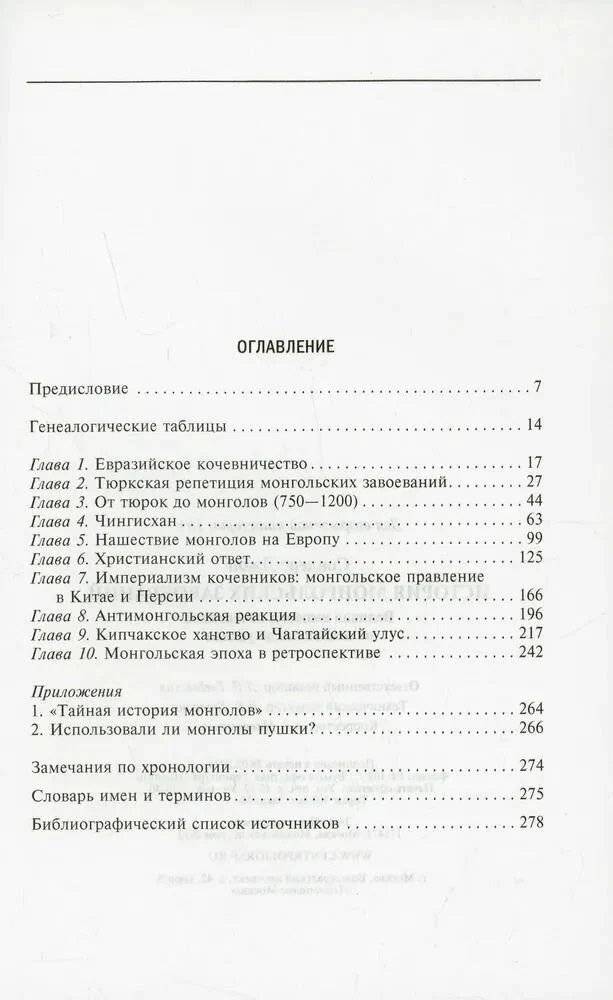
Эта книга посвящена масштабным монгольским завоеваниям XIII века, периоду, когда кочевники из Центральной Азии установили контроль над обширными территориями, простирающимися через всю Азию до границ с Германией и Адриатическим морем. Автор представляет собой документально подтвержденную историю взлета и падения этой великой империи, исследуя факторы, способствовавшие ее стремительному расширению и последующему упадку.
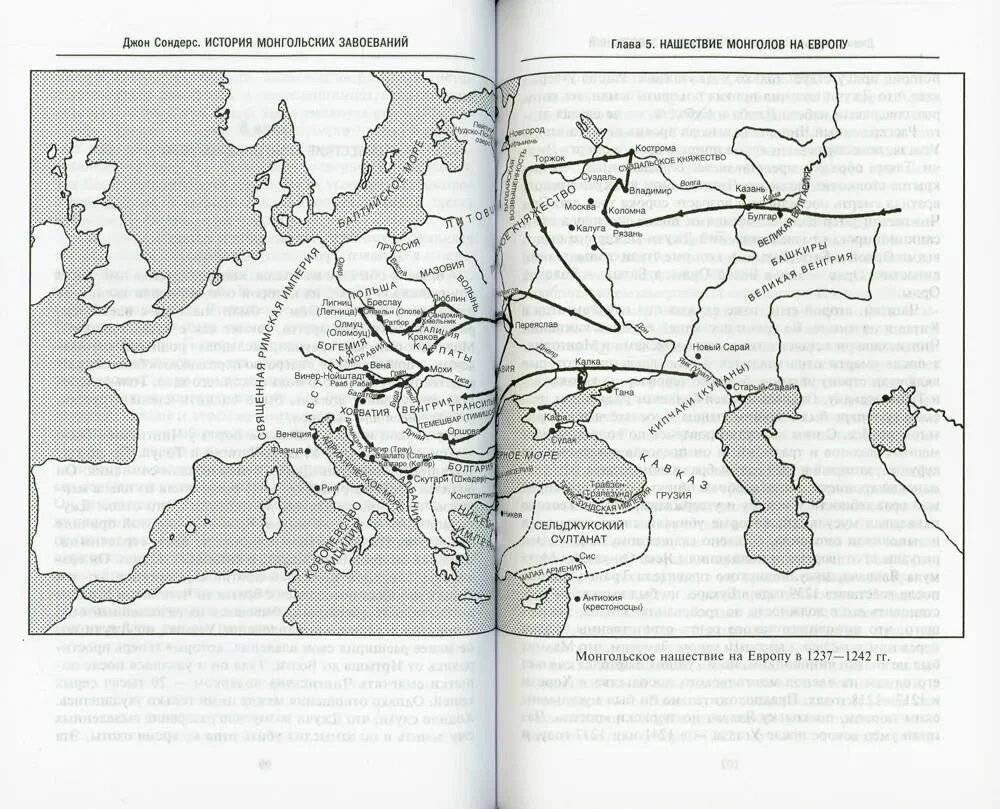
В книге рассматриваются особенности евразийского кочевничества, оказавшего значительное влияние на военную тактику и стратегию монголов. Особое внимание уделяется нашествию монголов на Европу, анализируются причины их успехов и факторы, которые в конечном итоге остановили их продвижение. Также исследуется реакция христианского мира на монгольскую угрозу, включая дипломатические и военные усилия по противодействию завоевателям.
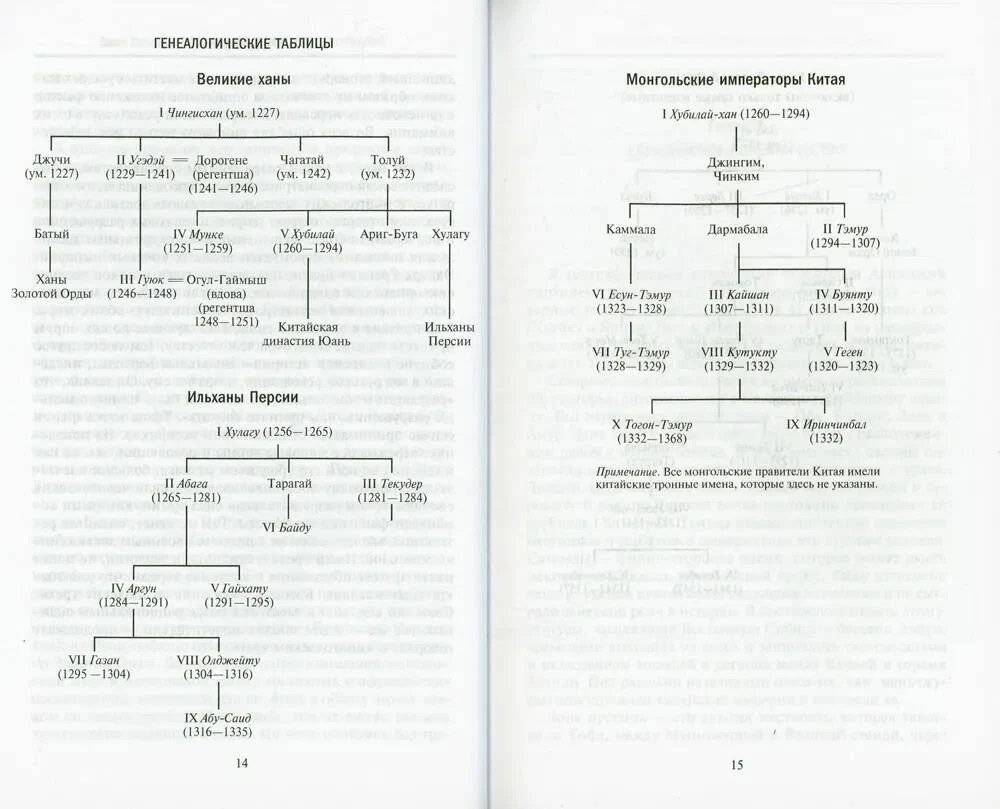
Подробно освещается правление монголов в Китае и Персии, рассматриваются особенности их административной системы, культурного взаимодействия и экономического влияния. Автор рисует портреты ключевых правителей, включая великих ханов и, прежде всего, легендарного Чингисхана, а также монгольских властителей Китая и ханов Золотой и Белой Орды. Повествование завершается анализом причин, по которым монголы были остановлены на краю Европы и вытеснены с Ближнего Востока, что знаменует собой закат их великой империи.
Кому подойдёт
- Читателям, интересующимся военной историей и стратегией.
- Студентам и исследователям, изучающим историю Центральной Азии и Монгольской империи.
- Всем, кто хочет узнать больше о влиянии кочевых народов на мировую историю.
- Любителям биографий великих полководцев и правителей.
- Тем, кто интересуется историей взаимоотношений между Европой и Азией.
Ключевые особенности
- Книга издана в твердой обложке.
- Содержит 288 страниц.
- Язык издания – русский.
- Издательство: Центрполиграф.
- Год издания: 2024.
- Возрастное ограничение: 16+.
- Размеры: 206x134 мм.
- Артикул: c302854.
- Штрих код: 9785952460850.
The History of the Mongol Conquests: The Great Nomadic Empire from Foundation to Decline
John Saunders, 2024, Separate Editions Series
Overview
This book delves into the sweeping Mongol conquests of the 13th century, a period when Central Asian nomads seized control of vast territories stretching across Asia to the borders of Germany and the Adriatic Sea. The author presents a documented history of the rise and fall of this great empire, exploring the factors that contributed to its rapid expansion and subsequent decline.
The book examines the characteristics of Eurasian nomadism, which had a significant impact on the military tactics and strategy of the Mongols. Particular attention is paid to the Mongol invasion of Europe, analyzing the reasons for their successes and the factors that ultimately stopped their advance. It also explores the Christian world's response to the Mongol threat, including diplomatic and military efforts to counter the conquerors.
The rule of the Mongols in China and Persia is covered in detail, examining the features of their administrative system, cultural interaction, and economic influence. The author paints portraits of key rulers, including the great khans and, above all, the legendary Genghis Khan, as well as the Mongol rulers of China and the khans of the Golden and White Hordes. The narrative concludes with an analysis of the reasons why the Mongols were stopped on the edge of Europe and driven out of the Middle East, marking the decline of their great empire.
Who it's for
- Readers interested in military history and strategy.
- Students and researchers studying the history of Central Asia and the Mongol Empire.
- Anyone who wants to learn more about the influence of nomadic peoples on world history.
- Fans of biographies of great generals and rulers.
- Those interested in the history of relations between Europe and Asia.
Key features
- Hardcover edition.
- Contains 288 pages.
- Language: Russian.
- Publisher: Tsentrpoligraf.
- Year of publication: 2024.
- Age restriction: 16+.
- Dimensions: 206x134 mm.
- Article number: c302854.
- Barcode: 9785952460850.