 US: 2-4 weeks,
  Europe: 1-2 weeks, 🌍 Worldwide: 1-4 weeks ✈️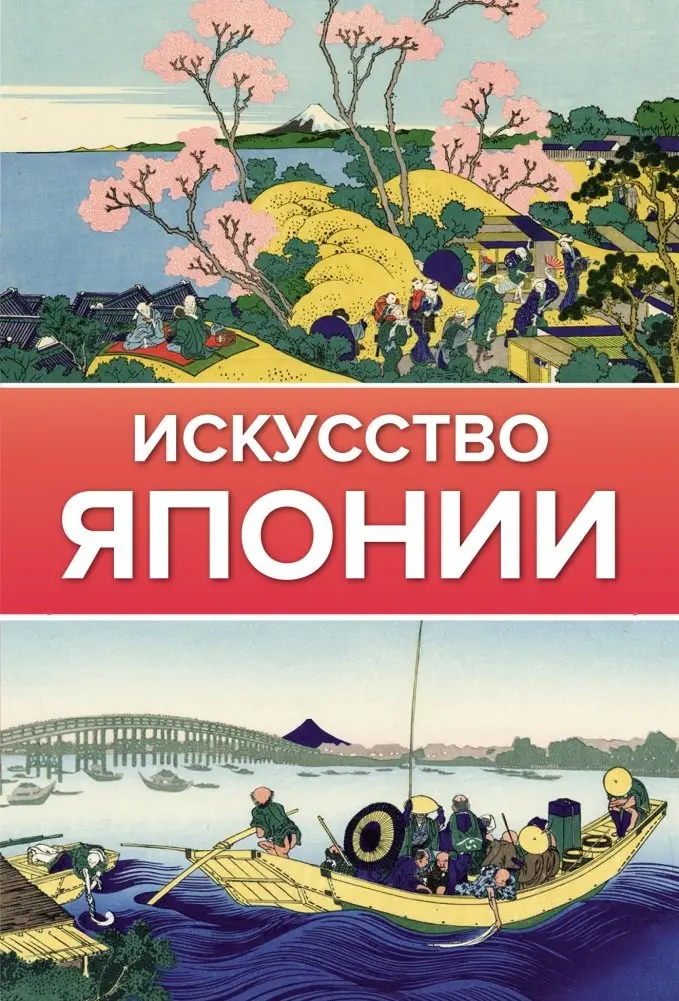
Искусство Японии | Japanese Art
Искусство Японии
Обзор
Япония — небольшая островная страна, изолированная географией, государственной политикой и древними традициями, что придало её культуре особый характер. Книга прослеживает долгую историю японской живописи, от ранних ямато‑э и суми‑э через конкуренцию школ и стилей до популярной укиё‑э эпохи Эдо. В ней представлены мастера, такие как Канэ Эйтоку, Канэ Санраку, Тоё Сэссю, Хисикава Моронобу, Утамаро Китагава, Судзуки Харунобу, Кацусика Хокусай и Утагава Хиросигэ. Автор подчёркивает стремление японского искусства к гармонии во всех сферах жизни, что делает его вечно актуальным. Издание богато иллюстрировано и предназначено для читателей, желающих глубже понять эстетические принципы японского визуального наследия.
Кому подойдёт
- Взрослые и студенты, изучающие историю искусства и восточную культуру
- Коллекционеры и музейные работники, желающие получить обзор японской живописи
- Читатели, ищущие иллюстрированное введение в традиции японского искусства
Ключевые особенности
- Год издания — 2022, издательство — АСТ
- 160 страниц, мягкая обложка
- Русский язык
- Входит в серию «Галерея живописи на ладони», штрих‑код 9785171464127
- Описывает традиции японской живописи: ямато‑э, суми‑э, гравюры укиё‑э эпохи Эдо
Japanese Art
Overview
Japan, a small island nation, has long been isolated by geography, state policy and ancient traditions, which gave its culture a distinctive character. The book traces the long history of Japanese painting, from early Yamato-e and Sumi-e through the competitive evolution of schools and styles, to the popular Edo‑period ukiyo‑e woodcuts. It highlights master artists such as Kano Eitoku, Kano Sanraku, Toyo Sessyu, Hishikawa Moronobu, Kitagawa Utamaro, Suzuki Harunobu, Katsushika Hokusai and Utagawa Hiroshige. Throughout, the author emphasizes the Japanese artistic quest for harmony in all aspects of life, a theme that makes the art perpetually relevant. The volume is richly illustrated and intended for readers who wish to understand the aesthetic principles behind Japan’s visual heritage.
Who it's for
- Adults and students of art history interested in East Asian visual culture
- Collectors and museum professionals seeking a concise overview of Japanese painting
- Readers looking for a richly illustrated introduction to Japan’s artistic traditions
Key features
- 2022 publication by AST
- 160 pages, softcover
- Russian language edition
- Part of the "Gallery of Painting in the Palm" series (ISBN 9785171464127)
- Covers Japanese painting traditions from Yamato-e and Sumi-e to ukiyo-e of the Edo period