 US: 2-4 weeks,
  Europe: 1-2 weeks, 🌍 Worldwide: 1-4 weeks ✈️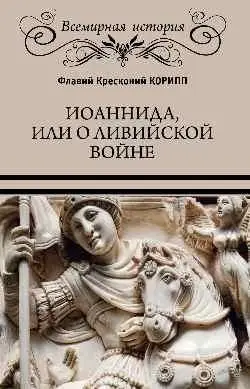
Иоаннида, или о Ливийской войне | Ioannida, or On the Libyan War
By Корипп Флавий Кресконий
Иоаннида, или о Ливийской войне
Корипп Флавий Кресконий, 2023, Серия: Всемирная история
Обзор
«Иоаннида» Флавия Крескония Кориппа, написанная гекзаметром, считается последним поэтическим эпосом Античности. Поэма повествует о восстании берберских племен против византийцев в Северной Африке во второй половине 540-х годов, непосредственным свидетелем которых был автор. Также в произведении освещаются более ранние события, приведшие к этому конфликту. Поэма сохранилась в единственной рукописи и была впервые опубликована в 1820 году.
Кому подойдёт
- Читателям, интересующимся поздней античностью и ранним византийским периодом.
- Любителям поэтических эпосов и исторических произведений.
- Тем, кто ищет малоизвестные, но значимые литературные памятники.
Ключевые особенности
- Язык: русский
- Тип обложки: твердая обложка
- Страниц: 288
- ISBN: 9785448435515
- Издательство: Вече
- Год издания: 2023
Ioannida, or On the Libyan War
Flavius Cresconius Corippus, 2023, Series: World History
Overview
The "Ioannida" by Flavius Cresconius Corippus, written in hexameter, is considered the last poetic epic of Antiquity. The poem recounts the Berber tribal uprising against the Byzantines in North Africa during the latter half of the 540s, an event the author witnessed firsthand. It also covers earlier events that led to this conflict. The poem survives in a single manuscript and was first published in 1820.
Who it's for
- Readers interested in late antiquity and the early Byzantine period.
- Fans of poetic epics and historical works.
- Those seeking little-known yet significant literary monuments.
Key features
- Language: Russian
- Binding: hardcover
- Pages: 288
- ISBN: 9785448435515
- Publisher: Veche
- Publication Year: 2023