 US: 2-4 weeks,
  Europe: 1-2 weeks, 🌍 Worldwide: 1-4 weeks ✈️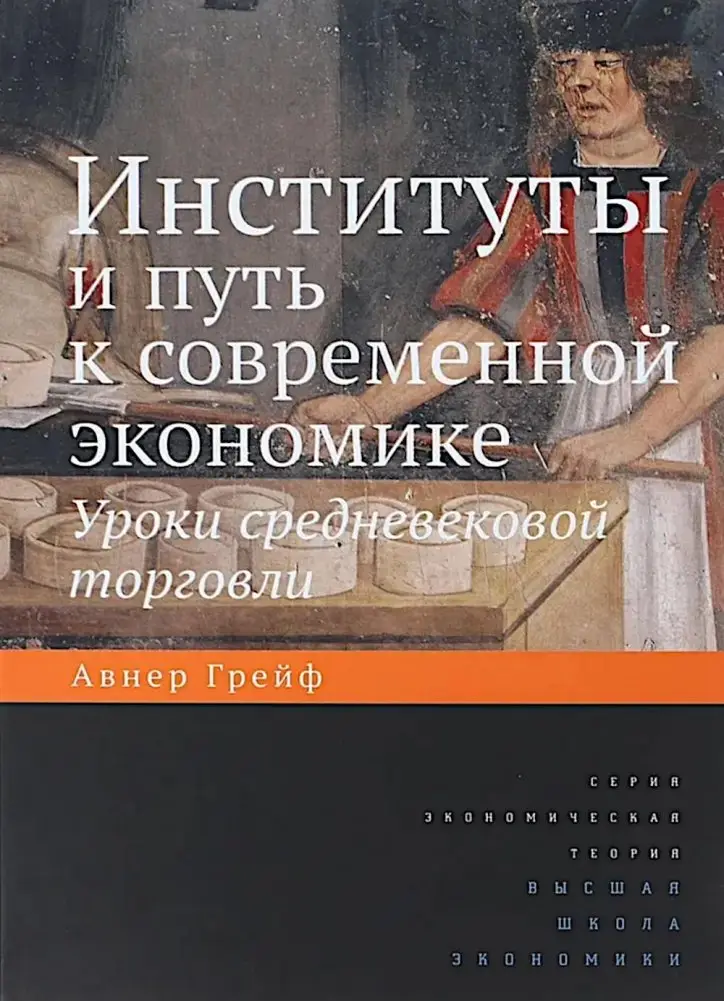
Институты и путь к современной экономике. Уроки средневековой торговли. 3-е изд. | Institutions and the Path to Modern Economy: Lessons from Medieval Trade
By Грейф А.
Институты и путь к современной экономике. Уроки средневековой торговли. 3-е изд.
Грейф А. 2024 Экономическая теория
Обзор
Грейф А. рассматривает влияние различных институтов на экономику, политику и общество. В книге предлагается понятие институтов, объединяющее разные направления институционального анализа в социальных науках. Подход демонстрируется на сравнительных исследованиях институтов в средневековой Европе и мусульманском мире. Анализ институциональных оснований рынков и государств способствует пониманию функционирования современных экономик и показывает своеобразие европейских институтов.
Кому подойдёт
- Экономистам, политологам и социологам, изучающим институциональное развитие
- Тем, кто интересуется сравнительным анализом институтов в разных культурах
- Читателям, стремящимся понять связь между средневековыми институтами и современной экономикой
Ключевые особенности
- Язык: русский
- Страниц: 536
- Издательство: ИД Высшей школы экономики
- Серия: Экономическая теория
- Год: 2024
Institutions and the Path to Modern Economy: Lessons from Medieval Trade
Грейф А. 2024 Экономическая теория
Overview
This book by Greif A. explores the influence of institutions on economy, politics, and society. It presents a concept of institutions that unites different directions of institutional analysis in the social sciences. The book uses comparative studies of institutions in medieval Europe and the Muslim world to demonstrate its approach. The analysis of the institutional foundations of markets and states contributes to understanding the functioning of modern economies and shows the uniqueness of European institutions.
Who it's for
- Economists, political scientists, and sociologists studying institutional development
- Those interested in a comparative analysis of institutions across different cultures
- Readers seeking to understand the link between medieval institutions and the modern economy
Key features
- Language: Russian
- Pages: 536
- Publisher: ID Higher School of Economics
- Series: Economic Theory
- Year: 2024