 US: 2-4 weeks,
  Europe: 1-2 weeks, 🌍 Worldwide: 1-4 weeks ✈️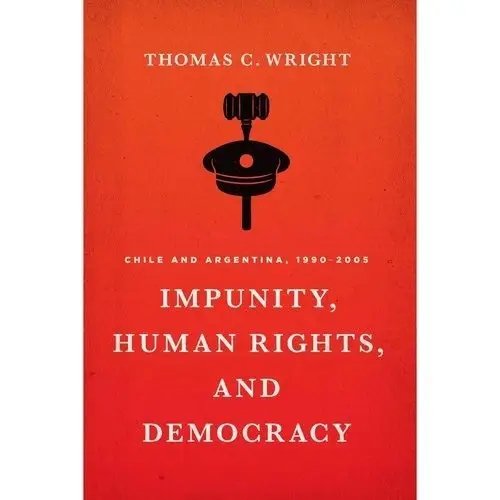
Безнаказанность, права человека и демократия | Impunity, Human Rights, and Democracy
Impunity, Human Rights, and Democracy
Thomas C. Wright, 2015
Overview
Universal human rights standards were adopted in 1948, but in the 1970s and 1980s, violent dictatorships in Argentina and Chile flagrantly defied these protocols. Employing state terrorism, these regimes sought to eradicate Marxism and other forms of perceived subversion. In Chile, General Augusto Pinochet established an iron shield of impunity for himself and the military, while in Argentina, military pressure led to laws preventing prosecution for past human rights violations. When democracy was reestablished by 1990, justice for crimes against humanity seemed out of reach.
This work examines how persistent advocacy by domestic and international human rights groups, evolving legal environments, and shifts in public opinion and military leadership led to a unique outcome: the stripping of impunity not only from select commanders but from all involved in state terrorism. This resulted in trials conducted by national courts, leading to hundreds of convictions and many more indictments.
Who it's for
- Readers interested in Latin American history and political science.
- Individuals focused on international human rights law and transitional justice.
- Those studying the impact of advocacy on legal and political change.
Key features
- Language: English
- Pages: 206
- Binding: Paperback
- ISBN: 9781477309827
- Publisher: Marston Book Services
- Year: 2015