 US: 2-4 weeks,
  Europe: 1-2 weeks, 🌍 Worldwide: 1-4 weeks ✈️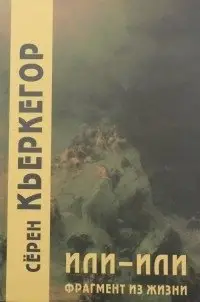
Или-или. Фрагмент из жизни | Either-Or: A Fragment of Life
By Кьеркегор Серен
Или-или. Фрагмент из жизни
Сёрен Кьеркегор, 2018
Обзор
Трактат "Или-или" (1843) является одним из первых самостоятельных произведений датского философа Сёрена Кьеркегора. В нем впервые представлена диалектика стадий человеческой экзистенции: эстетической, этической и религиозной. Сочинение, подписанное вымышленным "редактором" Виктором Эремитой, объединяет литературные и философские "записки" молодого "эстетика" и письма его оппонента, судьи Виллема. К ним примыкает "Ультиматум", представляющий радикальный вариант христианской позиции. Издание дополнено выдержками из писем и дневников Кьеркегора, снабжено подробными комментариями.
Кому подойдёт
- Философам и культурологам
- Богословам и историкам европейской культуры
- Ценителям философской мысли, литературы и искусства
Ключевые особенности
- Язык: русский
- Тип обложки: твердый переплет
- Количество страниц: 775
- Издательство: Академический проект
- Серия: Философские технологии
- ISBN: 9785829121761
Either-Or: A Fragment of Life
Søren Kierkegaard, 2018
Overview
The treatise "Either-Or" (1843) is one of the first independent works by Danish philosopher Søren Kierkegaard. It first introduces the dialectic of human existence stages: aesthetic, ethical, and religious. The work, signed by the fictional "editor" Victor Eremita, combines literary and philosophical "notes" from a young "aesthetician" with letters from his opponent, the ethically motivated judge Vilhelm. It is supplemented by the "Ultimatum," presenting a radical version of the Christian position. The edition includes excerpts from Kierkegaard's letters and diaries, along with detailed commentaries.
Who it's for
- Philosophers and culturologists
- Theologians and historians of European culture
- Connoisseurs of philosophical thought, literature, and art
Key features
- Language: Russian
- Binding: hardcover
- Pages: 775
- Publisher: Академический проект
- Series: Философские технологии
- ISBN: 9785829121761