 US: temporary delays — postal services aligning new import rules,
  Europe: 1–2 weeks, 🌍 Worldwide: 1–4 weeks ✈️
Японские свечи. Графический анализ финансовых рынков | Japanese Candlesticks: Graphic Analysis of Financial Markets
By Нисон С.
Японские свечи. Графический анализ финансовых рынков
Нисон С. 2022
Обзор
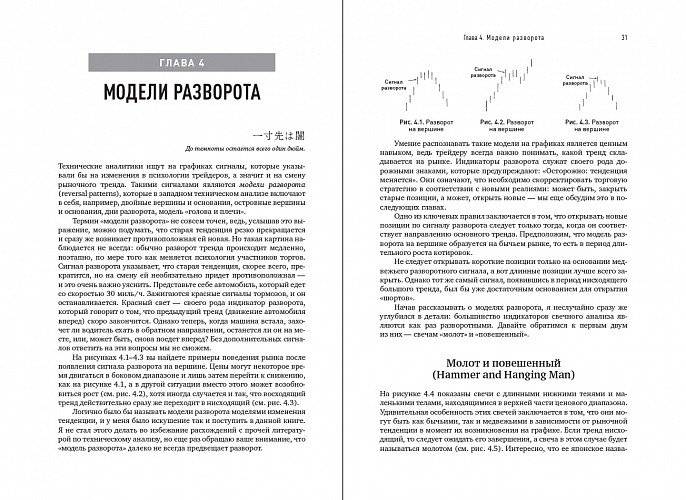
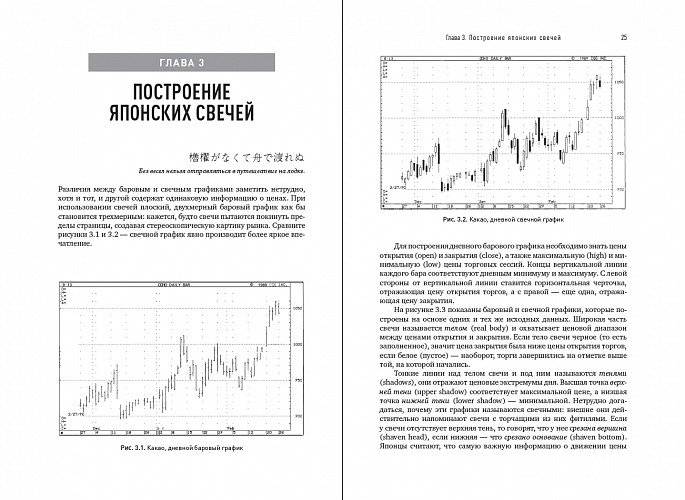
Стив Нисон рассказывает о системе технического анализа, которая популярна на Востоке. Книга об умении распознавать сигналы свечей и свечном анализе как самостоятельном методе прогнозирования. Умение «читать» свечные графики — ценный навык для торгующих на бирже или на валютном рынке Forex. По форме свечи можно предсказывать движения рынка, выявлять точки разворота трендов и находить подтверждения сигналам индикаторов.
Кому подойдёт
- Трейдерам, желающим научиться прогнозировать движения рынка.
- Тем, кто хочет освоить систему технического анализа.
- Инвесторам, стремящимся выявлять точки разворота трендов.
Ключевые особенности
- Язык: Русский
- Страниц: 290
- Издательство: Альпина Паблишер
- Год: 2022
Japanese Candlesticks: Graphic Analysis of Financial Markets
Nison S. 2022
Overview
Steve Nison presents a system of technical analysis well-known in the East. This book focuses on recognizing candlestick signals and using candlestick analysis as a method for forecasting market movements. The ability to "read" candlestick charts is a valuable skill for anyone trading on the stock exchange or in the Forex market. Candlestick patterns can help predict market movements, identify trend reversal points, and confirm signals from other indicators.
Who it's for
- Traders looking to forecast market movements.
- Those interested in mastering a system of technical analysis.
- Investors aiming to identify trend reversal points.
Key features
- Language: Russian
- Pages: 290
- Publisher: Альпина Паблишер
- Year: 2022