 US: 2-4 weeks,
  Europe: 1-2 weeks, 🌍 Worldwide: 1-4 weeks ✈️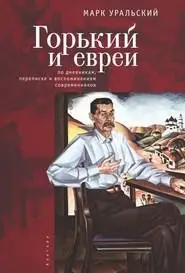
Горький и евреи: по дневникам, переписке и воспоминаниям современников | Gorky and the Jews: From Diaries, Correspondence, and Contemporary Memoirs
By Уральский М.
Горький и евреи: по дневникам, переписке и воспоминаниям современников
М. Уральский, 2018
Обзор
Книга исследует малоизвестные аспекты жизни Максима Горького, связанные с его проеврейской позицией. Рассматривается его активная борьба с антисемитизмом и вклад в популяризацию еврейского культурного наследия. Работа основана на редких документальных материалах, проливающих свет на дружеские отношения писателя с видными деятелями еврейской культуры, такими как Шолом-Алейхем, Х.Н. Бялик, Шолом Аш и В. Жаботинский. Эти сведения важны не только для понимания политической биографии Горького, но и для изучения русско-еврейских отношений в XX веке.
Кому подойдёт
- Исследователям творчества Максима Горького.
- Интересующимся историей русско-еврейских отношений.
- Студентам и специалистам в области истории и культурологии.
Ключевые особенности
- Язык: Русский
- Тип обложки: твердый переплет
- Количество страниц: 584
- Издательство: Алетейя
- Год издания: 2018
- ISBN: 9785907030183
Gorky and the Jews: From Diaries, Correspondence, and Contemporary Memoirs
M. Uralsky, 2018
Overview
This book delves into the lesser-known facets of Maxim Gorky's life, focusing on his declared philosemitism. It examines his active stance against antisemitism and his efforts to popularize Jewish cultural heritage. The study utilizes rare documentary materials that illuminate Gorky's friendships with prominent figures in Jewish culture, including Sholem Aleichem, H.N. Bialik, Sholem Asch, and V. Jabotinsky. These insights are crucial not only for a comprehensive political biography of the writer but also for understanding the broader context of Russian-Jewish relations in the 20th century.
Who it's for
- Researchers of Maxim Gorky's work.
- Individuals interested in the history of Russian-Jewish relations.
- Students and specialists in history and cultural studies.
Key features
- Language: Russian
- Binding: Hardcover
- Pages: 584
- Publisher: Aleteyya
- Publication Year: 2018
- ISBN: 9785907030183