 US: 2-4 weeks,
  Europe: 1-2 weeks, 🌍 Worldwide: 1-4 weeks ✈️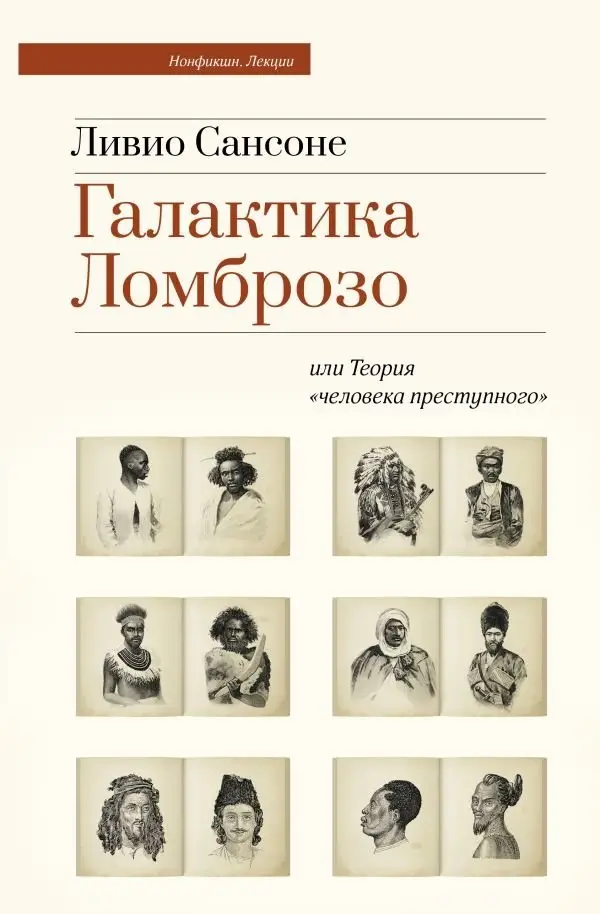
Галактика Ломброзо или Теория «человека преступного» | Lombroso's Galaxy or the Theory of the 'Criminal Man'
By Сансоне Л.
Галактика Ломброзо или Теория «человека преступного»
Сансоне Л., 2024
Обзор
Книга «Галактика Ломброзо» посвящена влиянию итальянского мыслителя Чезаре Ломброзо на социальную политику в Латинской Америке в конце XIX века. Исследуется, как «галактика» вокруг Ломброзо способствовала распространению его идей за океаном, формируя представление о «прирожденном преступнике». Работа освещает воздействие этих концепций на репрессивную, тюремную и психиатрическую системы, а также на расовые отношения в регионе. Этот значимый культурный феномен, ныне забытый, представлен в книге.
Кому подойдёт
- Интересующимся историей социальной мысли.
- Исследователям влияния научных теорий на политику.
- Тем, кто изучает историю Латинской Америки.
- Читателям, интересующимся криминологией и психиатрией.
Ключевые особенности
- Язык: русский
- Тип обложки: твердая обложка
- Количество страниц: 272
- ISBN: 9785171572198
- Издательство: АСТ
- Год издания: 2024
- Серия: Нонфикшн. Лекции
Lombroso's Galaxy or the Theory of the 'Criminal Man'
L. Sansone, 2024
Overview
The book "Lombroso's Galaxy" examines the impact of Italian intellectual Cesare Lombroso on social policy in Latin America during the late 19th century. It explores how the "galaxy" surrounding Lombroso facilitated the spread of his ideas overseas, contributing to the formation of the "born criminal" category. The work highlights the influence of these concepts on the repressive, penal, and psychiatric systems, as well as on racial relations in Latin American countries. This significant, yet often overlooked, cultural phenomenon is detailed within the book.
Who it's for
- Individuals interested in the history of social thought.
- Researchers studying the influence of scientific theories on policy.
- Those exploring the history of Latin America.
- Readers interested in criminology and psychiatry.
Key features
- Language: Russian
- Binding: Hardcover
- Pages: 272
- ISBN: 9785171572198
- Publisher: AST
- Year: 2024
- Series: Non-fiction. Lectures