 US: 2-4 weeks,
  Europe: 1-2 weeks, 🌍 Worldwide: 1-4 weeks ✈️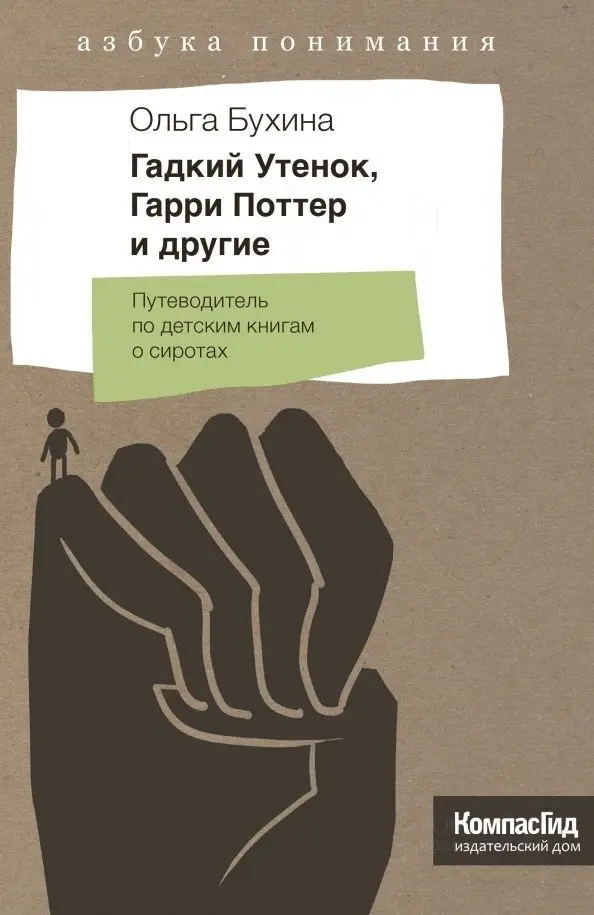
Гадкий утенок, Гарри Поттер и другие. Путеводитель по детским книгам о сиротах | The Ugly Duckling, Harry Potter, and Others: A Guide to Children's Books About Orphans
By Бухина Ольга Борисовна
Гадкий утенок, Гарри Поттер и другие. Путеводитель по детским книгам о сиротах
Ольга Бухина, 2017
Обзор
Эта книга исследует архетип сироты в мировой литературе, прослеживая его эволюцию на протяжении веков. От классических произведений до современных бестселлеров, таких как Гарри Поттер и Голодные игры, автор анализирует, как образ ребенка без родителей менялся и какие ценности транслировались через эти истории. Исследование затрагивает как страдания сирот XIX века, так и активных героев XX и XXI веков, способных изменять мир. Книга предлагает неожиданные ответы на вопросы о причинах интереса к этой теме и о том, что она говорит о нас, читателях.
Кому подойдёт
- Родителям, стремящимся подобрать литературу для детского чтения.
- Библиотекарям и педагогам, ищущим рекомендации по детской литературе.
- Читателям, интересующимся культурными явлениями и анализом литературных образов.
Ключевые особенности
- Язык: Русский
- Тип обложки: твердый переплет
- Количество страниц: 216
- Издательство: КомпасГид
- Серия: Азбука понимания
- ISBN: 9785000832875
- Автор: Бухина Ольга Борисовна
- Год издания: 2017
The Ugly Duckling, Harry Potter, and Others: A Guide to Children's Books About Orphans
Olga Bukhina, 2017
Overview
This book explores the archetype of the orphan in world literature, tracing its evolution over centuries. From classic works to contemporary bestsellers like Harry Potter and The Hunger Games, the author analyzes how the image of a child without parents has changed and what values were conveyed through these stories. The study touches upon the suffering of 19th-century orphans as well as the active heroes of the 20th and 21st centuries capable of changing the world. The book offers unexpected answers to questions about the reasons for interest in this theme and what it reveals about us, the readers.
Who it's for
- Parents seeking literature for children's reading.
- Librarians and educators looking for recommendations in children's literature.
- Readers interested in cultural phenomena and the analysis of literary characters.
Key features
- Language: Russian
- Binding: Hardcover
- Pages: 216
- Publisher: KompasGid
- Series: Azbuka ponimaniya (Alphabet of Understanding)
- ISBN: 9785000832875
- Author: Olga Borisovna Bukhina
- Year: 2017