 US: 2-4 weeks,
  Europe: 1-2 weeks, 🌍 Worldwide: 1-4 weeks ✈️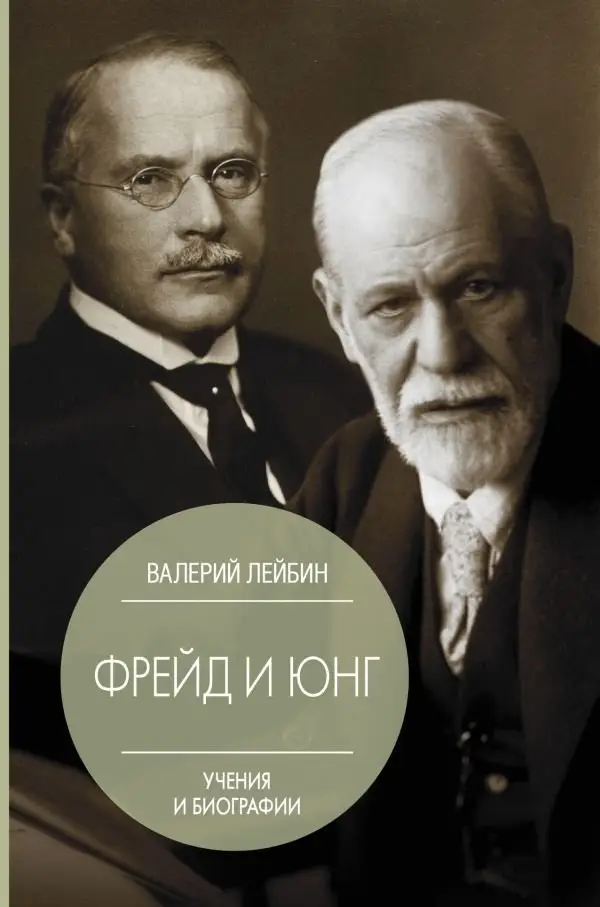
Фрейд и Юнг. Учения и биографии | Freud and Jung: Teachings and Biographies
By Лейбин Валерий Моисеевич
Фрейд и Юнг. Учения и биографии
Обзор
Зигмунд Фрейд и Карл Юнг — основатели классического психоанализа и аналитической психологии, которые изменили представление о работе человеческой психики и оказали огромное влияние на науку и культуру XX века. Книга описывает, как Юнг начинал как последователь Фрейда, затем разработал собственные понятия архетипических образов и коллективного бессознательного, что привело к разрыву и образованию двух разных методов психоанализа. Известный психоаналитик Валерий Лейбин представляет ранее неизвестные материалы, раскрывающие конфликт между этими двумя «отцами» психоанализа. Читатель получает подробный, основанный на фактах портрет обоих учёных, их учений и исторических условий их формирования.
Кому подойдёт
- Студенты психологии и философии
- Читатели, интересующиеся историей психоанализа
- Учёные, изучающие взаимоотношения Фрейда и Юнга
- Подростки и взрослые старше 16 лет
- Профессионалы, ищущие объективный обзор классических теорий
Ключевые особенности
- Автор: Лейбин Валерий Моисеевич, доктор философских наук
- Издание: издательство АСТ, 2019 год
- 416 страниц, твердый переплёт
- Серия «Звезда лекций»
- Возрастное ограничение: 16+
- Язык издания: русский
Freud and Jung: Teachings and Biographies
Overview
Sigmund Freud and Carl Jung, founders of classical psychoanalysis and analytical psychology, reshaped modern understanding of the human psyche and left a profound impact on 20th‑century science and culture. The book traces Jung’s early alignment with Freud, his later development of concepts such as archetypal images and the collective unconscious, and the eventual rupture that created two distinct analytic schools. Valery Leybin, a recognized psychoanalyst, presents previously unpublished material that illuminates the personal and intellectual conflicts between these two “fathers” of psychoanalysis. Readers gain a factual, nuanced portrait of both thinkers, their theories, and the historical context that shaped their work.
Who it's for
- Students of psychology and philosophy
- Readers interested in the history of psychoanalysis
- Scholars researching Freud‑Jung relations
- Advanced high‑school and university readers (16+)
- Professionals seeking a factual overview of classic theories
Key features
- Author: Valery M. Leybin, PhD in Philosophy
- Published by AST in 2019
- 416 pages, hardcover binding
- Part of the "Zvezda Lectures" series
- Target age: 16+
- Language: Russian