 US: 2-4 weeks,
  Europe: 1-2 weeks, 🌍 Worldwide: 1-4 weeks ✈️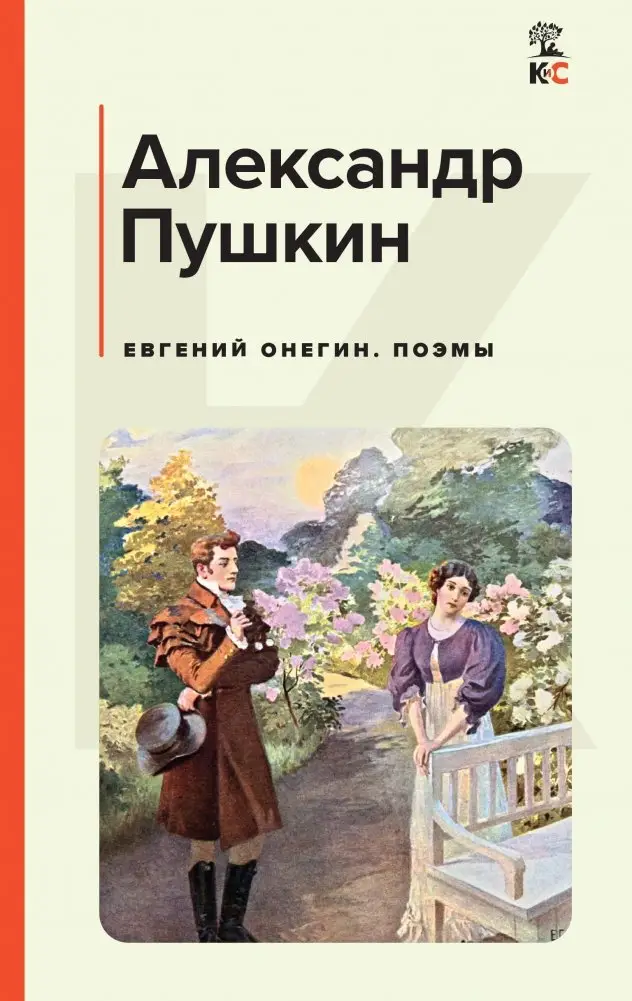
Евгений Онегин. Поэмы | Eugene Onegin. Poems
By Александр Пушкин
Евгений Онегин. Поэмы
Александр Пушкин, 2024, Серия: КиС (Классическая и Современная литература)
Обзор
Александр Сергеевич Пушкин, выдающийся русский поэт, известен своим легким, точным и изысканным языком. Этот сборник включает его знаковые произведения, составляющие золотой фонд русской классики. Роман в стихах "Евгений Онегин" представлен как энциклопедия пушкинской эпохи и история несчастной любви. Также в книгу вошли поэмы "Руслан и Людмила", "Бахчисарайский фонтан", "Цыганы", "Граф Нулин", "Полтава" и "Медный всадник".
Кому подойдёт
- Любителям русской классической литературы.
- Читателям, интересующимся творчеством Александра Пушкина.
- Поклонникам поэзии и прозы XIX века.
- Для возраста 16+.
Ключевые особенности
- Язык: русский
- Объем: 416 страниц
- Тип обложки: твердая обложка
- Издательство: Эксмо
- Год издания: 2024
- ISBN: 9785041718541
- Серия: КиС (Классическая и Современная литература)
Eugene Onegin. Poems
Alexander Pushkin, 2024, Series: KiS (Classical and Modern Literature)
Overview
Alexander Sergeyevich Pushkin (1799-1837) was a great Russian poet who shaped modern literature with his exceptionally fluid, precise, and elegant language. This collection features his selected works, forming a cornerstone of classic Russian literature. The novel in verse "Eugene Onegin" is an encyclopedia of the Pushkin era and a cult story of unrequited love. The book also includes the poems "Ruslan and Ludmila," "The Fountain of Bakhchisarai," "The Gypsies," "Count Nulin," "Poltava," and "The Bronze Horseman."
Who it's for
- Readers of classic Russian literature.
- Those interested in the works of Alexander Pushkin.
- Fans of 19th-century poetry and prose.
- Recommended for ages 16 and up.
Key features
- Language: Russian
- Pages: 416
- Binding: Hardcover
- Publisher: Eksmo
- Year: 2024
- ISBN: 9785041718541
- Series: KiS (Classical and Modern Literature)