 US: 2-4 weeks,
  Europe: 1-2 weeks, 🌍 Worldwide: 1-4 weeks ✈️
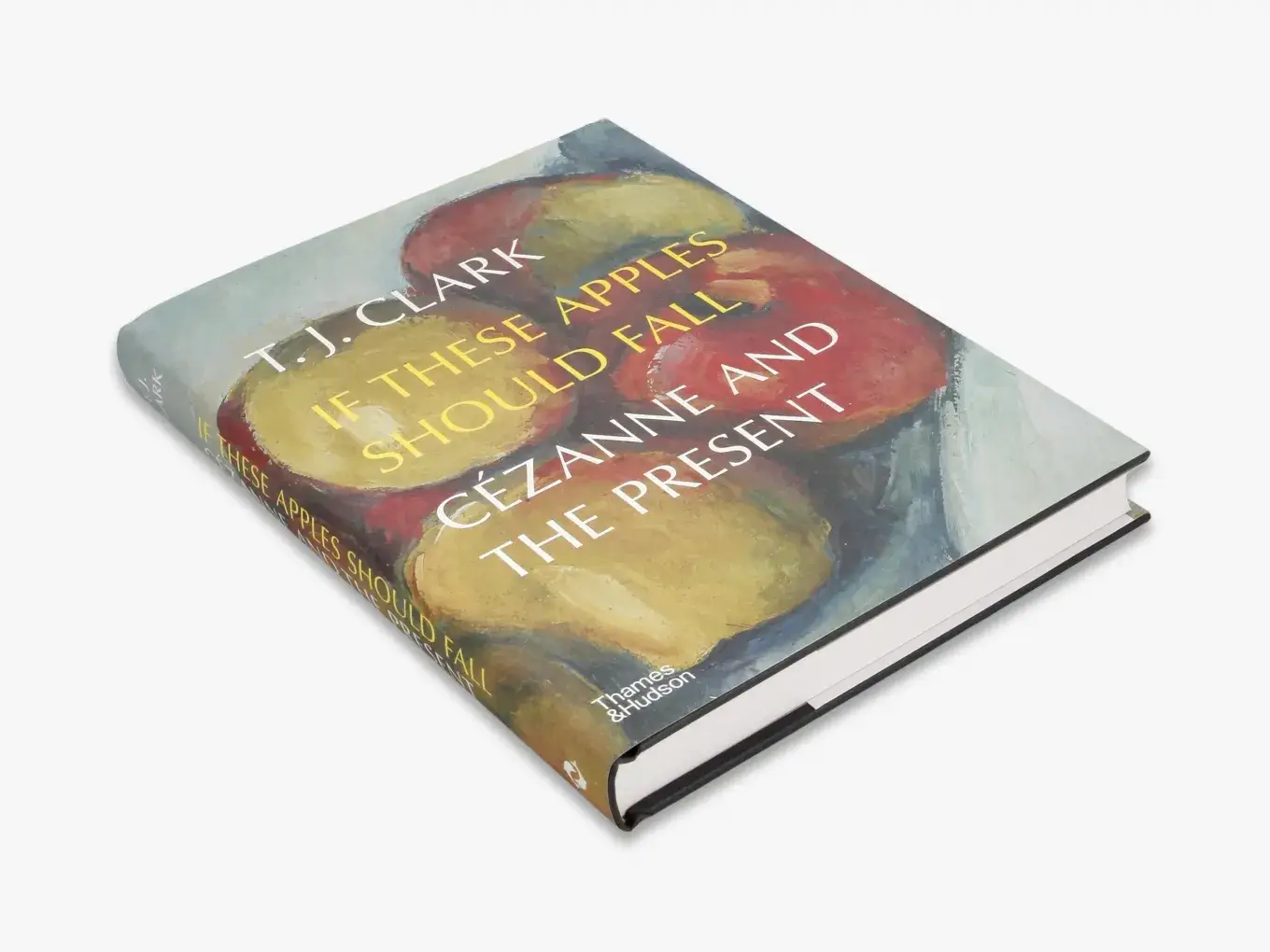
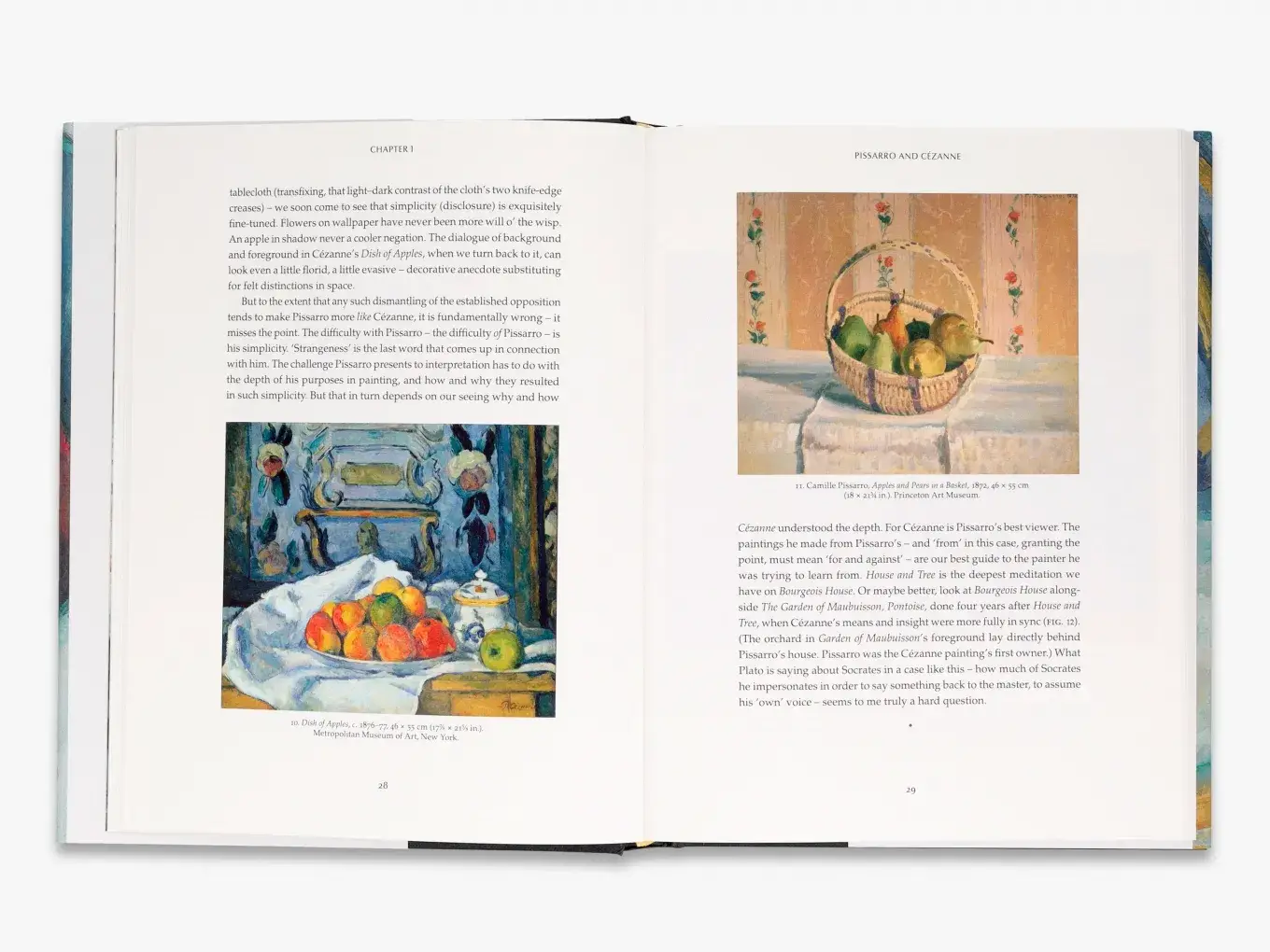
Если эти яблоки упадут: Сезанн и настоящее | If These Apples Should Fall: Cezanne and the Present
By Clark T. J.
Если эти яблоки упадут: Сезанн и настоящее
Clark T. J., 2022
Обзор
Книга «Если эти яблоки упадут: Сезанн и настоящее» представляет собой глубокий анализ творчества Поля Сезанна, одного из самых влиятельных художников в истории современного искусства. Автор, T. J. Clark, известный историк искусства, рассматривает работы Сезанна с современной точки зрения, стремясь понять, что именно завораживало зрителей в его творчестве на протяжении более века.
Сезанн, чье искусство служило точкой опоры для таких разных фигур, как Сэмюэль Беккет, Анри Матисс, Райнер Мария Рильке и Пабло Пикассо, воспринимался как ключ к пониманию современности. Книга исследует чувство беспокойства и тревоги, лежащее в основе привлекательности его живописи, и рассматривает влияние Сезанна на творчество Писсарро, Матисса и других художников.
Кларк анализирует, как Сезанн выражал ощущение бездомности и тревоги через яркие цвета и необычные композиции. Книга приглашает читателей пересмотреть восприятие Сезанна и оценить его вклад в современное искусство.
Кому подойдёт
- Любителям искусства и истории живописи.
- Студентам и исследователям, изучающим творчество Поля Сезанна.
- Тем, кто интересуется влиянием Сезанна на современное искусство.
- Читателям, ищущим глубокий анализ творчества художника.
Ключевые особенности
- Твердый переплет обеспечивает долговечность издания.
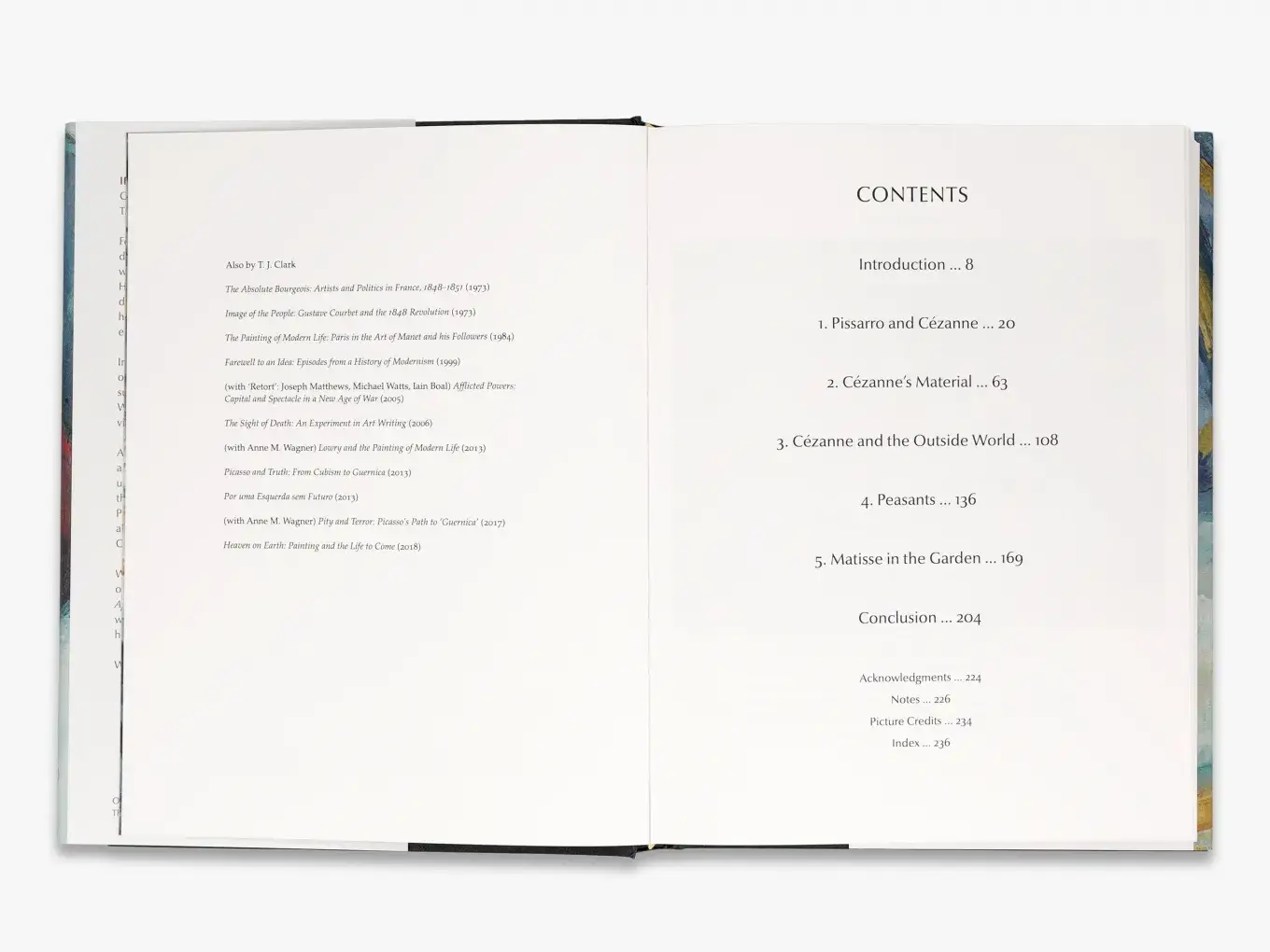
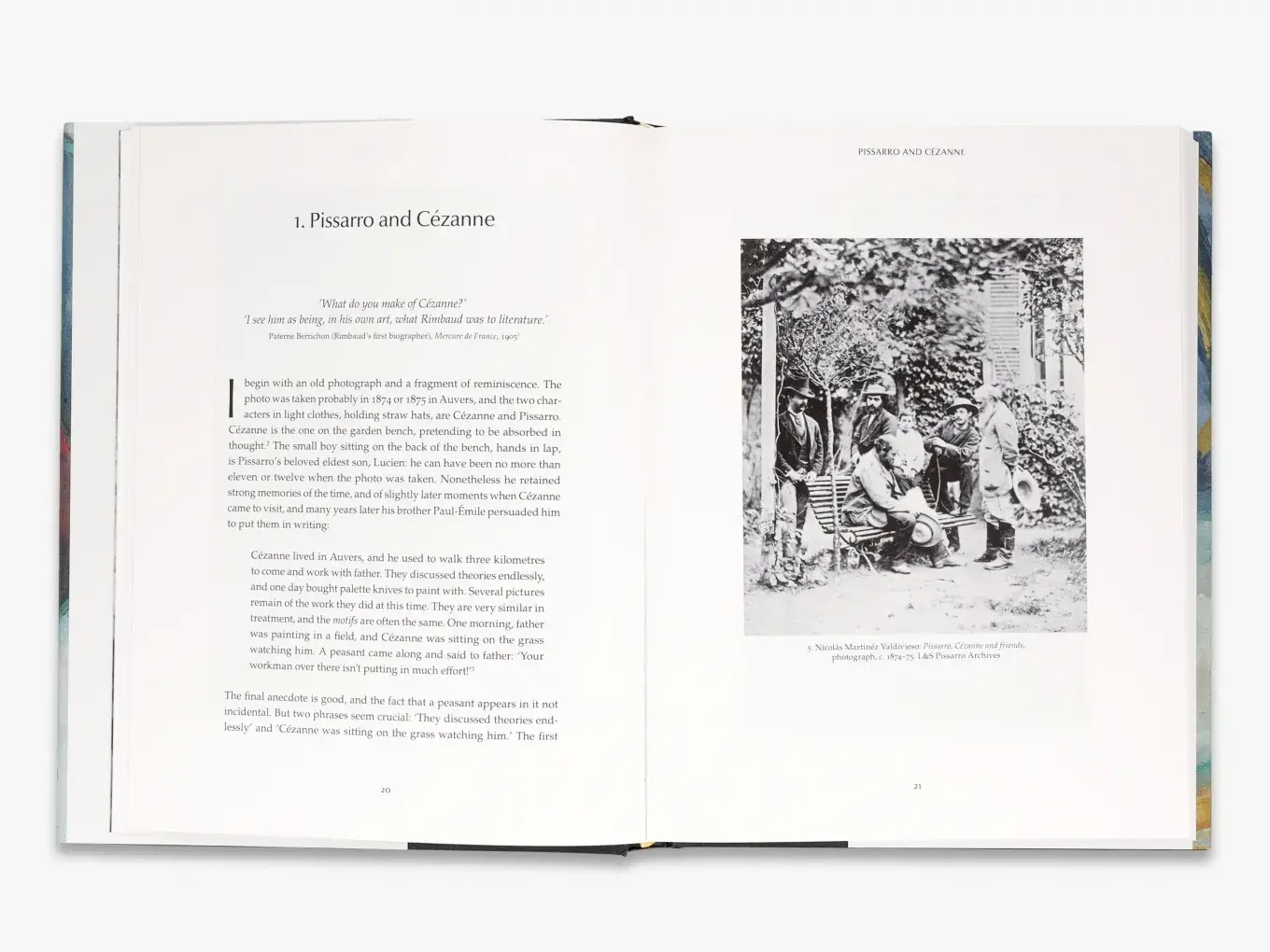
- 240 страниц с иллюстрациями и анализом работ Сезанна.
- Книга издана в 2022 году издательством Thames & Hudson.
- Автор – T. J. Clark, авторитетный историк искусства.
- Размеры книги: 256x196 мм.
- ISBN: 9780500025284.
If These Apples Should Fall: Cezanne and the Present
Clark T. J., 2022
Overview
"If These Apples Should Fall: Cezanne and the Present" offers a penetrating analysis of Paul Cezanne's work, one of the most influential painters in the history of modern art. T. J. Clark, a respected art historian, examines Cezanne's art from a contemporary perspective, seeking to understand what captivated viewers for over a century.
Cezanne, whose art served as a touchstone for figures like Samuel Beckett, Henri Matisse, Rainer Maria Rilke, and Pablo Picasso, was seen as a key to understanding modernity. The book explores the sense of unease and anxiety underlying the appeal of his painting and considers Cezanne's influence on the work of Pissarro, Matisse, and other artists.
Clark analyzes how Cezanne expressed a sense of homelessness and anxiety through vivid colors and unusual compositions. The book invites readers to reconsider their perception of Cezanne and appreciate his contribution to modern art. It delves into the historical context of Cezanne's work, exploring his innovative techniques and his impact on subsequent generations of artists. The book also examines the philosophical underpinnings of Cezanne's art, exploring his engagement with questions of perception, representation, and the nature of reality.
Who it's for
- Art enthusiasts and art history buffs.
- Students and researchers studying the work of Paul Cezanne.
- Those interested in Cezanne's influence on modern art.
- Readers seeking an in-depth analysis of the artist's work.
Key features
- Hardback cover for durability.
- 240 pages of illustrations and analysis of Cezanne's works.
- Published in 2022 by Thames & Hudson.
- Authored by T. J. Clark, a respected art historian.
- Dimensions: 256x196 mm.
- ISBN: 9780500025284.