 US: 2-4 weeks,
  Europe: 1-2 weeks, 🌍 Worldwide: 1-4 weeks ✈️
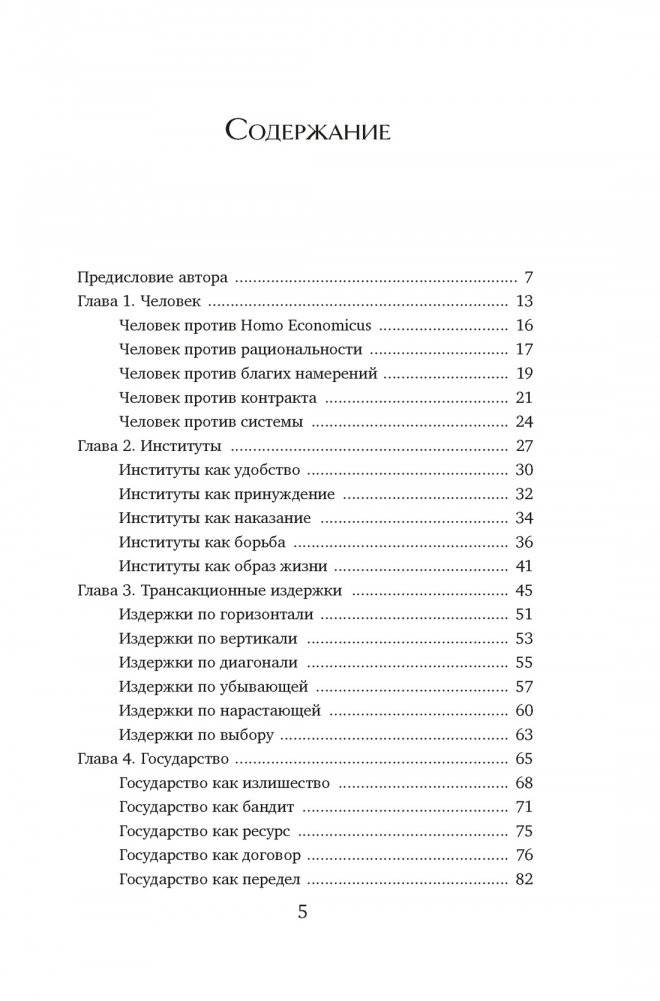
Экономика всего. Институты и общество: жизнь по правилам и без | The Economy of Everything: Institutions and Society: Life with and without Rules
By Аузан Александр Александрович
Экономика всего. Институты и общество: жизнь по правилам и без
Аузан Александр Александрович2025Серия: Азбука-Бизнес
Обзор
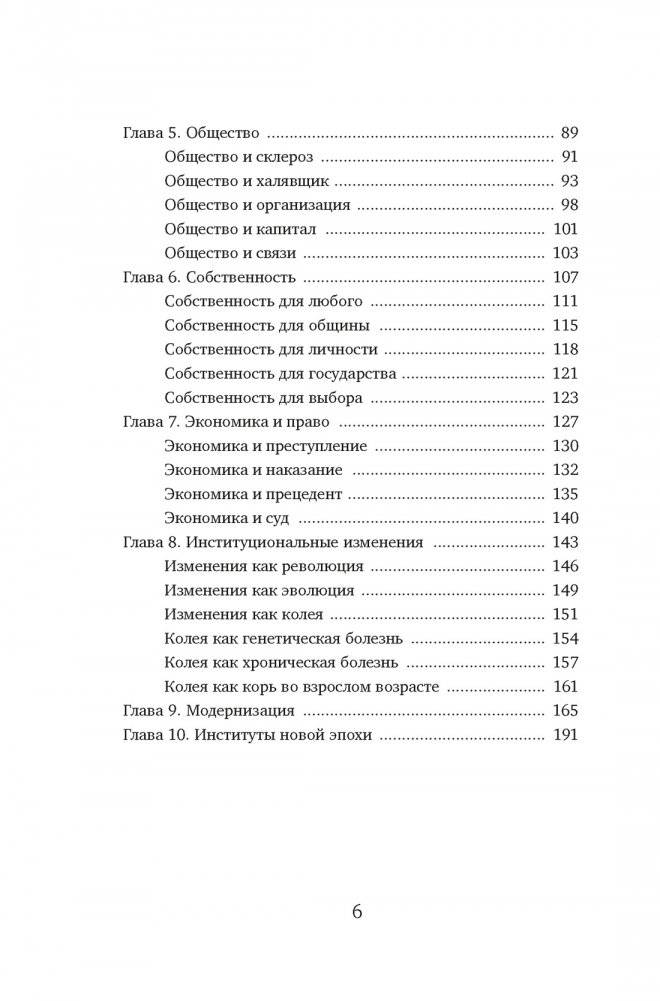
Эта увлекательная книга известного популяризатора науки — доктора экономических наук, профессора, декана экономического факультета МГУ им. М. В. Ломоносова Александра Аузана поможет разобраться в сути хаотичных на первый взгляд общественных процессов и их связи с экономикой. Вы удивитесь, обнаружив, как легко и логично объясняются многие парадоксы российской жизни, если взглянуть на них с точки зрения институциональной теории. Автор показывает, как можно разумно внедрять институты и снижать издержки в разных областях — бизнесе, политике, праве, истории, выборе форм собственности и даже в виртуальной реальности. Вы увидите иную, совершенно непривычную картину мира.
Кому подойдёт
- Тем, кто хочет понять, как институты влияют на экономические процессы.
- Читателям, интересующимся институциональной теорией.
- Тем, кто хочет разобраться в парадоксах российской жизни с экономической точки зрения.
Ключевые особенности
- Язык: Русский
- Страниц: 208
- Издательство: Азбука
- Серия: Азбука-Бизнес
- Год: 2025
The Economy of Everything: Institutions and Society: Life with and without Rules
Аузан Александр Александрович2025Серия: Азбука-Бизнес
Overview
This engaging book by Alexander Auzan, a well-known science popularizer, Doctor of Economics, professor, and dean of the Faculty of Economics at Moscow State University, helps to understand the essence of seemingly chaotic social processes and their connection with the economy. The author shows how institutions can be reasonably implemented and costs reduced in various fields — business, politics, law, history, the choice of ownership forms, and even in virtual reality. You will see a different, completely unfamiliar picture of the world.
Who it's for
- Those who want to understand how institutions affect economic processes.
- Readers interested in institutional theory.
- Those who want to understand the paradoxes of Russian life from an economic point of view.
Key features
- Language: Russian
- Pages: 208
- Publisher: Азбука
- Series: Азбука-Бизнес
- Year: 2025