 US: 2-4 weeks,
  Europe: 1-2 weeks, 🌍 Worldwide: 1-4 weeks ✈️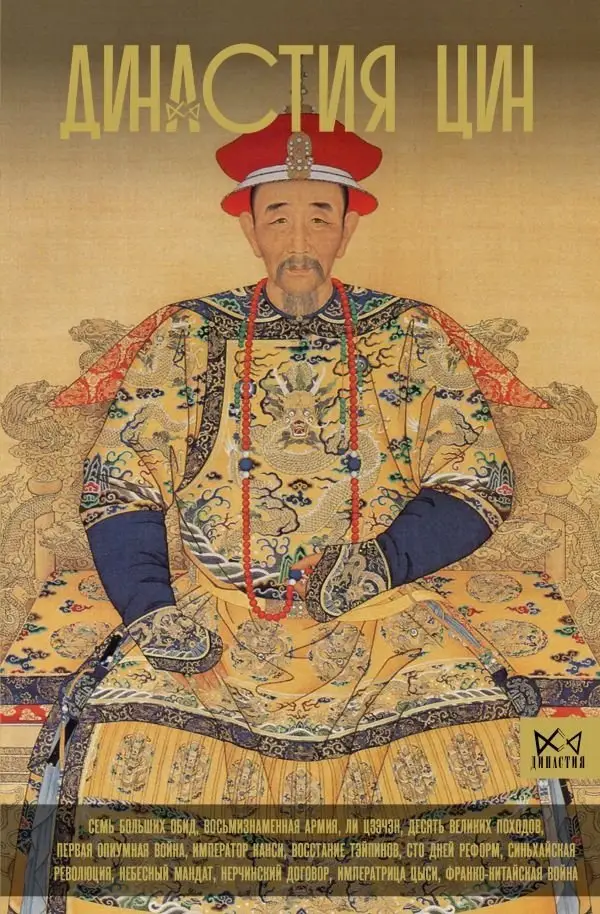
Династия Цин. Закат китайской империи | The Qing Dynasty: The Decline of Imperial China
By Лун Ч.
Династия Цин. Закат китайской империи
Обзор
Книга исследует правление императоров династии Цин — последних монархов Китая, когда империя достигла пика своего могущества. Описываются внутренние проблемы: рост налогов, коррупция, природные катаклизмы и злоупотребления властью, а также агрессивная экспансия Запада, которые привели к народным волнениям. Повествование прослеживает цепочку кризисов, завершившуюся революцией 1911 года, падением монархии и образованием Республики, просуществовавшей до 1949 года. Автор задаёт живые вопросы о детских императорах, подделанных завещаниях, литературной цензуре и причинах опиумных войн, связывая их с падением династии.
Кому подойдёт
- Любители истории Китая и конца монархического правления
- Студенты и исследователи, изучающие политические трансформации Восточной Азии
- Читатели, ценящие повествовательный нон‑фикшн с аналитическим подходом
- Подростки 16+ и взрослые, желающие получить полное представление о эпохе Цин
Ключевые особенности
- Автор: Лун Ч.
- Издание: АСТ, 2024 год
- 352 страницы, твердая обложка
- Серия «Династия»
- Возрастное ограничение 16+
- Текст на русском языке
The Qing Dynasty: The Decline of Imperial China
Overview
The book examines the reign of the Qing emperors, the last monarchs of China, whose rule saw the empire reach the height of its power. It shows how internal problems—tax hikes, widespread corruption, natural disasters, and elite abuse—combined with aggressive Western expansion to spark popular unrest. The narrative follows the cascade of crises that culminated in the 1911 Revolution, ending the monarchy and giving way to the Republic that lasted until 1949. Throughout, the author poses vivid questions about youthful emperors, forged wills, literary censorship, and the causes of the Opium Wars, linking them to the dynasty’s ultimate downfall.
Who it's for
- Readers interested in Chinese history and the end of imperial rule
- Students and scholars studying East Asian political transformations
- Fans of narrative non‑fiction that blends political analysis with vivid anecdotes
- Mature teens (16+) seeking a comprehensive overview of the Qing era
Key features
- Author: Loon Che (Лун Ч.)
- Published by AST in 2024
- 352 pages, hardcover format
- Part of the "Dynasty" series
- Target age 16+ (adult and mature teen readers)
- Written in Russian