 US: 2-4 weeks,
  Europe: 1-2 weeks, 🌍 Worldwide: 1-4 weeks ✈️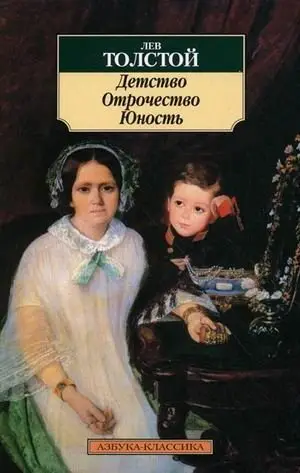
Детство. Отрочество. Юность | Childhood, Boyhood, Youth
By Лев Николаевич Толстой
Детство. Отрочество. Юность
Лев Николаевич Толстой2020, Азбука-Классика
Обзор
«Десять тысяч верст вокруг самого себя», - пошутил Глеб Успенский по поводу толстовских исканий. В 1852 г. в журнале «Современник» выходит повесть Толстого «Детство», которая вместе с повестями «Отрочество» (1852-1854) и «Юность» (1855-1857) впоследствии составила трилогию. Литературный дебют сразу приносит автору настоящее признание. Опираясь на семейные воспоминания, называя многих прототипов своих персонажей, Толстой пишет все-таки не автобиографию и не мемуары. Его интересуют универсалии человеческой жизни, но всеобщее можно было найти лишь заглянув в себя.
Кому подойдёт
- Тем, кто интересуется русской классической литературой.
- Читателям, изучающим психологию развития личности.
- Любителям автобиографической прозы и семейных саг.
Ключевые особенности
- Язык: Русский
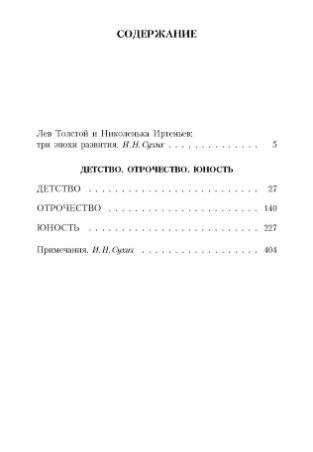
- Страниц: 416
- Издательство: Азбука
- Серия: Азбука-Классика
- Год: 2020
Childhood, Boyhood, Youth
Lev Nikolayevich Tolstoy2020, Azbuka-Klassika
Overview
"Ten thousand versts around oneself," Gleb Uspensky joked about Tolstoy's explorations. In 1852, Tolstoy's novel "Childhood" was published in the journal "Sovremennik," which, together with the novels "Boyhood" (1852-1854) and "Youth" (1855-1857), later formed a trilogy. The literary debut immediately brought the author real recognition. Relying on family memories, naming many prototypes of his characters, Tolstoy still does not write an autobiography or memoirs. He is interested in the universalities of human life, but the universal could only be found by looking into himself.
Who it's for
- Readers interested in Russian classical literature.
- Those studying the psychology of personal development.
- Fans of autobiographical prose and family sagas.
Key features
- Language: Russian
- Pages: 416
- Publisher: Azbuka
- Series: Azbuka-Klassika
- Year: 2020