 US: 2-4 weeks,
  Europe: 1-2 weeks, 🌍 Worldwide: 1-4 weeks ✈️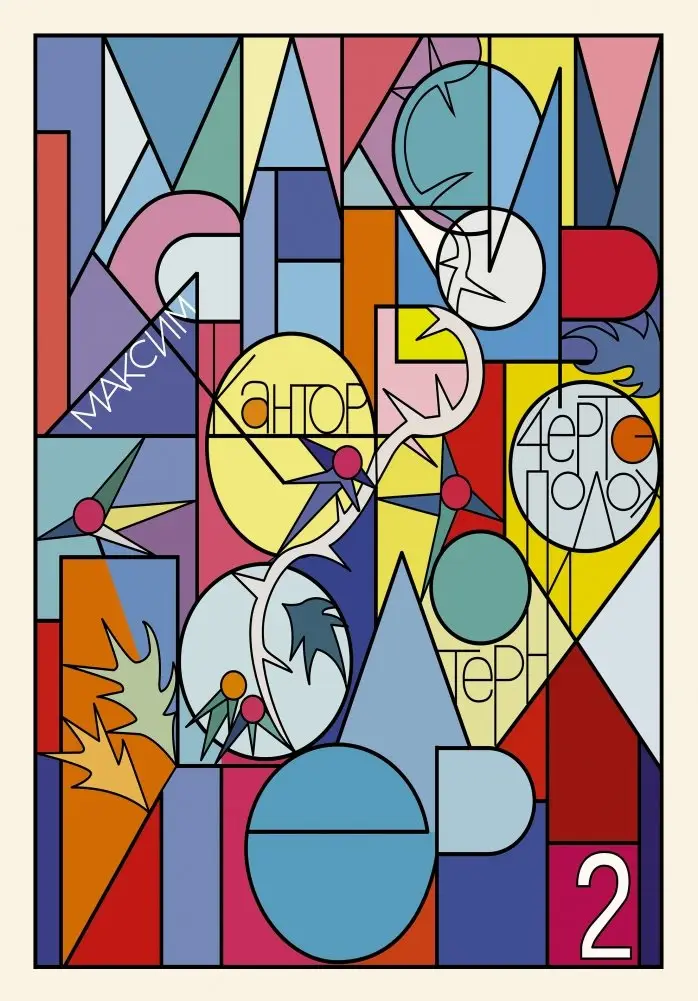
Чертополох и терн. Возрождение Возрождения | Thistle and Thorn: The Renaissance of the Renaissance
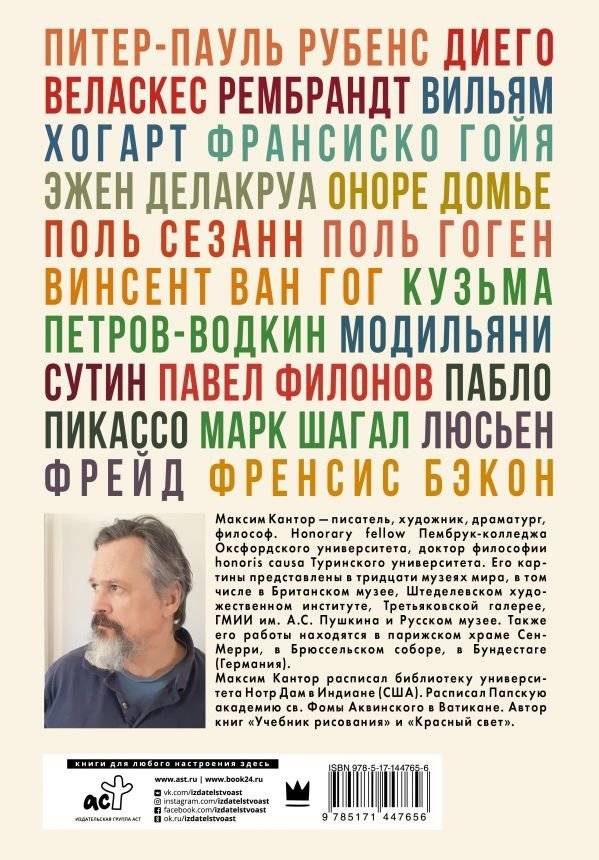
By Кантор Максим Карлович
Чертополох и терн. Возрождение Возрождения
Максим Кантор, 2021
Обзор
Книга Максима Кантора представляет собой многолетний исследовательский труд, охватывающий социальную и политическую историю Европы с XIV по XXI век через призму истории живописи. Автор, известный писатель, драматург, художник и историк искусства, чьи работы представлены в 30 музеях мира, рассматривает произведение искусства как отражение общества. Анализируя картины, можно проследить динамику европейской истории, включая выбор между республикой и империей, верой и идеологией. Вторая часть книги посвящена истории живописи от возникновения маньеризма до XXI века.
Кому подойдёт
- Читателям, интересующимся историей европейского искусства и живописи.
- Тем, кто исследует связь между искусством, обществом и политикой.
- Людям, ищущим глубокий анализ культурных и исторических процессов.
- Возраст: 16+
Ключевые особенности
- Автор: Максим Кантор
- Издательство: АСТ
- Серия: Философия живописи
- Год издания: 2021
- Объем: 832 страницы
- Тип обложки: твердый переплёт
- ISBN: 9785171447656
- Язык: Русский
Thistle and Thorn: The Renaissance of the Renaissance
Maxim Kantor, 2021
Overview
Maxim Kantor's book is the result of many years of research, presenting a panorama of European social and political history from the 14th to the 21st centuries through the lens of painting. Kantor, a writer, playwright, artist, and art historian whose works are displayed in 30 museums worldwide, posits that a painter's palette offers a unique view of society. By analyzing works of art, one can understand the dynamics of European history, including the constant choices between republic and empire, faith and ideology. The second part of the book focuses on the history of painting from the emergence of Mannerism to the 21st century.
Who it's for
- Readers interested in the history of European art and painting.
- Those exploring the connection between art, society, and politics.
- Individuals seeking a deep analysis of cultural and historical processes.
- Age: 16+
Key features
- Author: Maxim Kantor
- Publisher: AST
- Series: Philosophy of Painting
- Year: 2021
- Pages: 832
- Binding: Hardcover
- ISBN: 9785171447656
- Language: Russian