 US: 2-4 weeks,
  Europe: 1-2 weeks, 🌍 Worldwide: 1-4 weeks ✈️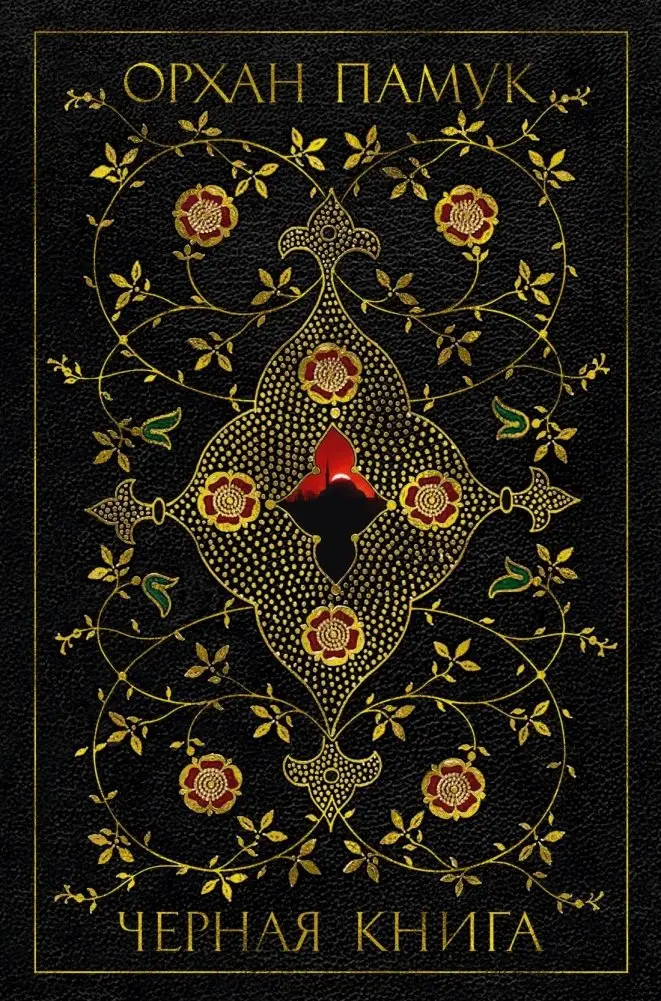


Черная книга | The Black Book
By Памук Орхан
Черная книга
Обзор
«Черная книга» — самый причудливый роман Орхана Памука, в котором сплетаются сказочные истории, сновидения, загадки и воспоминания. Сюжет рассказывает о стамбульском адвокате Галипе, чья жена Рюйя исчезает, и он бродит по улицам в поисках тайных знаков, способных подсказать её местонахождение. По мере поисков город превращается в странный мир, где реальность переплетается с фантазией. Памук, обладатель Нобелевской премии, через тайные слои Стамбула исследует вопросы идентичности, утраты и неуловимости истины.
Кому подойдёт
- Любители литературной прозы с элементами магического реализма
- Поклонники творчества Орхана Памука и его наград
- Взрослые, ищущие сложный, атмосферный роман о Стамбуле
Ключевые особенности
- Автор: Орхан Памук, лауреат Нобелевской премии по литературе
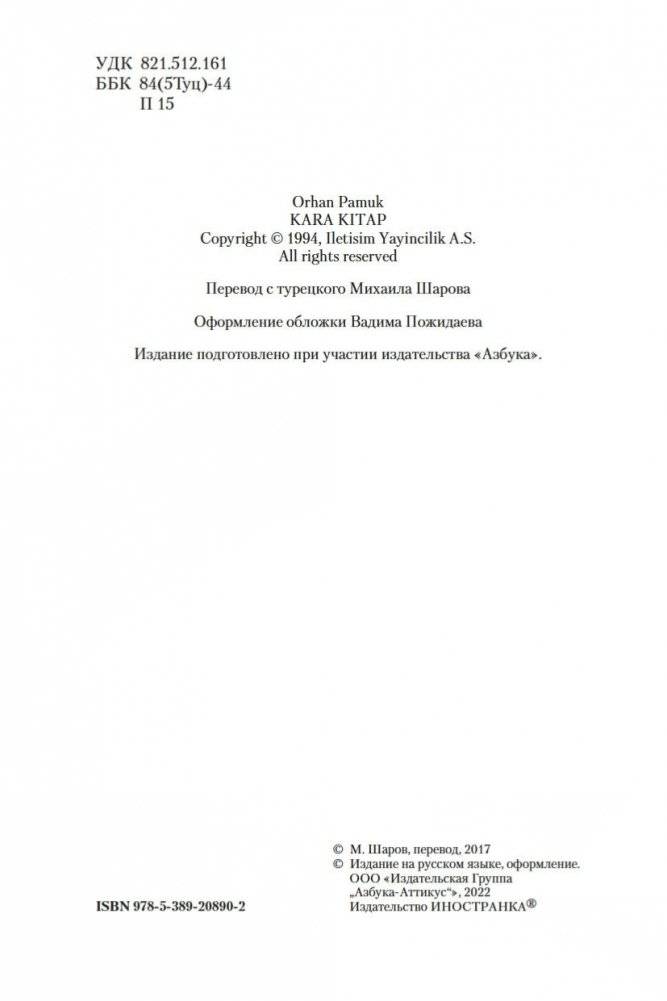
- Год издания — 2022, издательство «Азбука», 544 страницы, твердая обложка
- Входит в серию «Большой роман»
- Штрих‑код (ISBN‑13): 9785389208902
- Сложный роман‑пазл, сочетающий сказки, сновидения и детектив
The Black Book
Overview
Orhan Pamuk’s "The Black Book" is a dazzling, labyrinthine novel that weaves together fairy‑tale episodes, dreams, riddles and memories. The plot follows Galip, a lawyer in Istanbul, whose wife Rüya disappears and who roams the city searching for secret signs that might reveal her whereabouts. As Galip delves deeper, the streets of Istanbul become a surreal landscape where reality and imagination blur. Pamuk, a Nobel laureate, uses the city’s hidden histories to explore identity, loss and the elusive nature of truth.
Who it's for
- Readers who enjoy literary fiction with magical‑realist elements
- Fans of Orhan Pamuk’s award‑winning storytelling
- Adults interested in complex narratives set in Istanbul
Key features
- Author: Orhan Pamuk, Nobel Prize‑winning Turkish novelist
- Published 2022 by Azbuka, 544 pages, hardcover
- Part of the "Big Novel" series (Большой роман)
- ISBN‑13: 9785389208902
- Lengthy, labyrinthine narrative mixing dreams, folklore and mystery