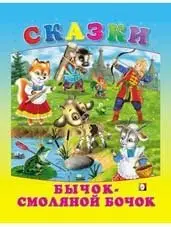
Бычок - смоляной бочок | The Little Bull and the Tar Barrel
Обзор
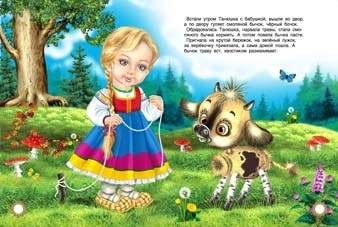
В этой русской народной сказке маленький бычок встречает загадочный смоляной бочок, что приводит к череде хитрых проделок и моральных выводов. Действие разворачивается в деревенской среде, подчёркивая темы любопытства, находчивости и последствий жадности. Книга издана в твёрдом переплёте, 80 страниц, удобно читается вслух. Предназначена для совместного чтения, позволяя взрослым объяснять детям культурные особенности сюжета. Сказка входит в серию «Сказки», сохраняющую классический русский фольклор.
Кому подойдёт
- Дети 5–9 лет и их родители
- Учителя и библиотекари, ищущие классический фольклор
- Любители русской культуры и традиций
- Семьи, желающие читать короткие увлекательные сказки перед сном
Ключевые особенности
- Автор: Приходкин Игорь Николаевич
- Издание: Фламинго, 2010 год
- Твердый переплёт, 80 страниц
- Русская народная сказка из серии «Сказки»
- ISBN 9785783311772
- Подходит для чтения взрослыми детям
Overview
This Russian folk tale tells the story of a little bull who encounters a mysterious tar barrel, setting off a chain of clever tricks and moral lessons. The narrative unfolds in a rustic setting, highlighting themes of curiosity, resourcefulness, and the consequences of greed. The tale is presented in a compact 80‑page hardcover, making it easy to read aloud. It is designed for shared reading, allowing adults to guide children through the cultural nuances of the story. The book belongs to the "Skazki" series, known for preserving classic Russian folklore.
Who it's for
- Children aged 5–9 and their parents
- Teachers and librarians seeking classic folklore
- Readers interested in Russian cultural heritage
- Families looking for short, engaging bedtime stories
Key features
- Author: Igor Nikolaevich Prikhodkin
- Published by Flamingo in 2010
- Hardcover edition with 80 pages
- Russian language folk tale from the "Skazki" series
- ISBN 9785783311772
- Suitable for children and adults reading together
More by Приходкин Игорь Николаевич
All books by this author
From the series Сказки
Whole series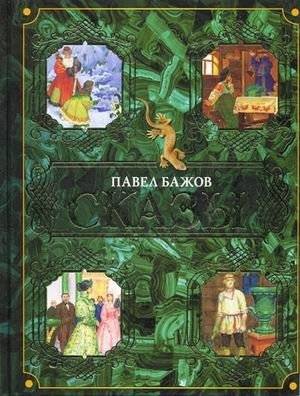 Сказы | Tales$35.99
 Приключения Птицы Курицы | The Adventures of Chicken Bird$34.99
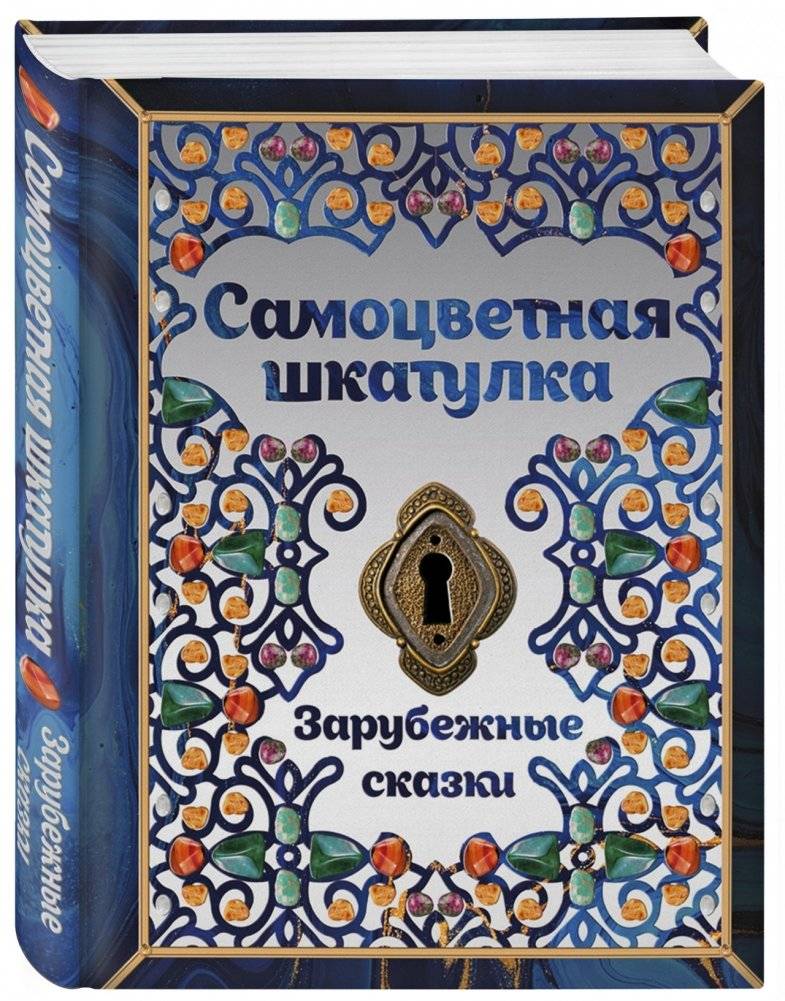 Самоцветная шкатулка. Зарубежные сказки | The Jewel Box: Foreign Fairy Tales$63.99
 Сказки братьев Гримм. В пересказе А. Введенского | Grimm's Fairy Tales Retold by A. Vvedensky$44.99
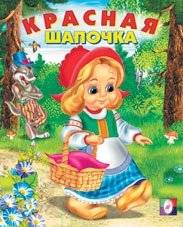 Красная шапочка | Little Red Riding Hood$13.99
 Принцесса на горошине | The Princess and the Pea$13.99
More on the shelf Русские народные сказки
Browse the shelf Русские народные сказки (2 тома) | Russian Folk Tales (2 Volumes)$134.99
 Лиса и заяц. Сказка-малютка | The Fox and the Hare. A Tiny Tale$11.99
 Репка. Теремок | The Turnip. The Little House$13.99
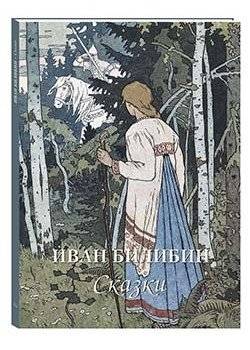 Иван Билибин. Сказки | Ivan Bilibin. Fairy Tales$61.99
 Полная библиотека внеклассного чтения. Начальная школа. 1-4 классы. Русские народные сказки | Complete Library of Extracurricular Reading: Russian Folk Tales for Primary School (Grades 1-4)$39.99
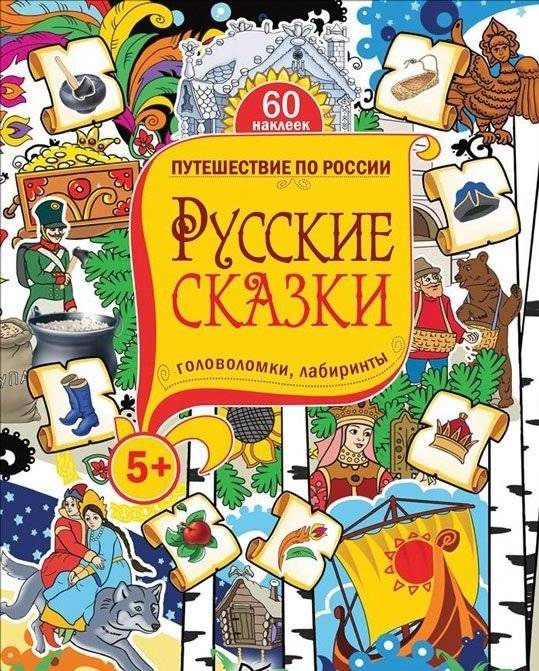 Русские сказки. Головоломки, лабиринты | Russian Fairy Tales: Puzzles and Mazes$19.99
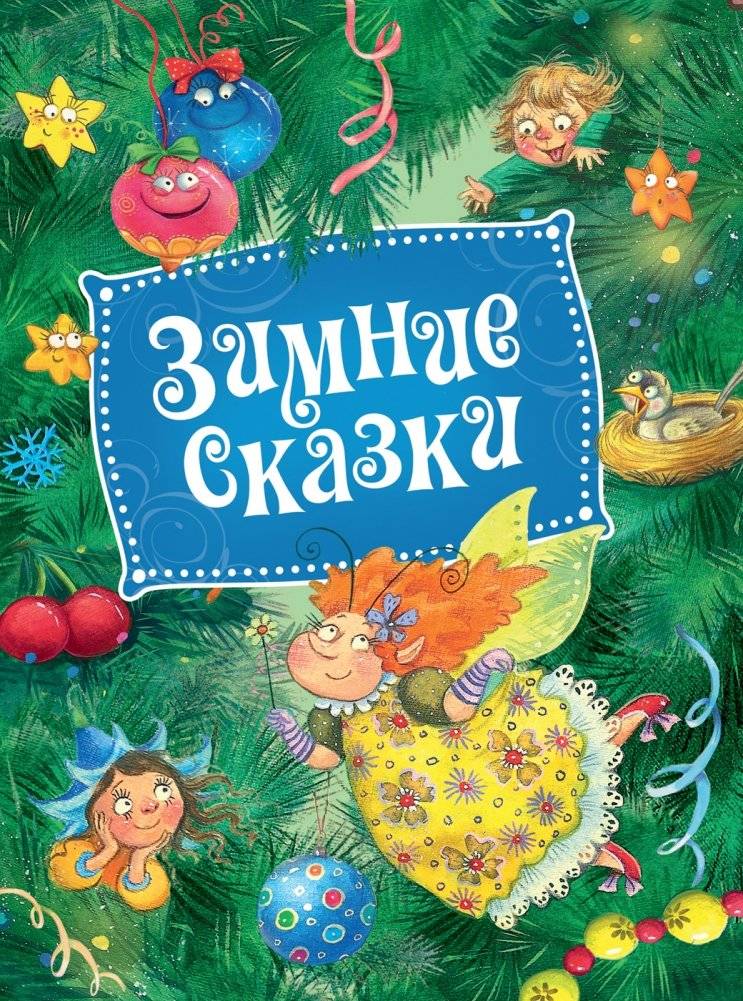 Зимние сказки | Winter Tales$15.99
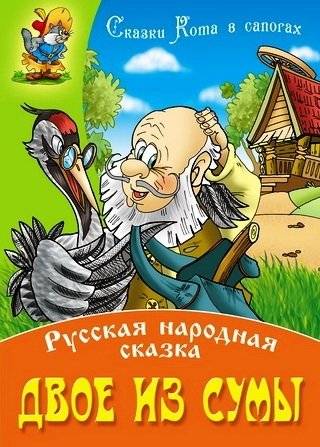 Двое из сумы | Two from the Bag$12.99
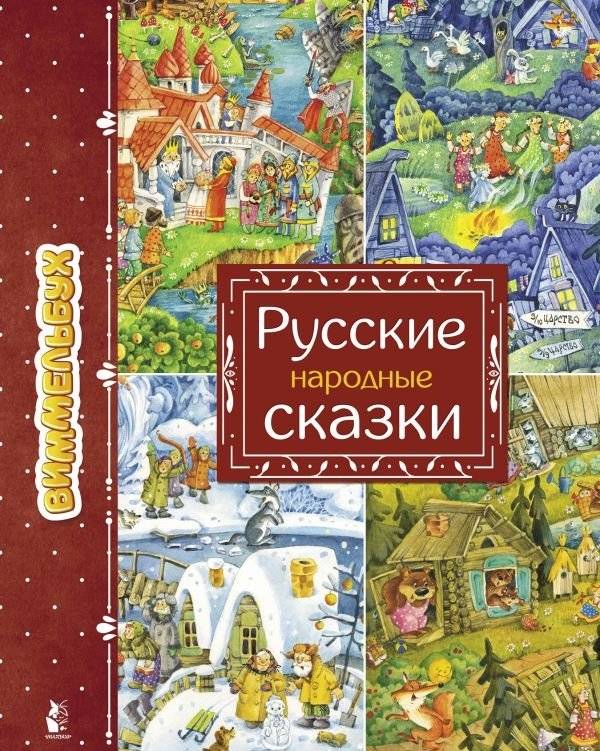 Русские народные сказки | Russian Folk Tales$21.99
 Русские сказки в рисунках Ю. Коровина | Russian Fairy Tales Illustrated by Yu. Korovin$16.99
 Царевна-лягушка | The Frog Princess$19.99
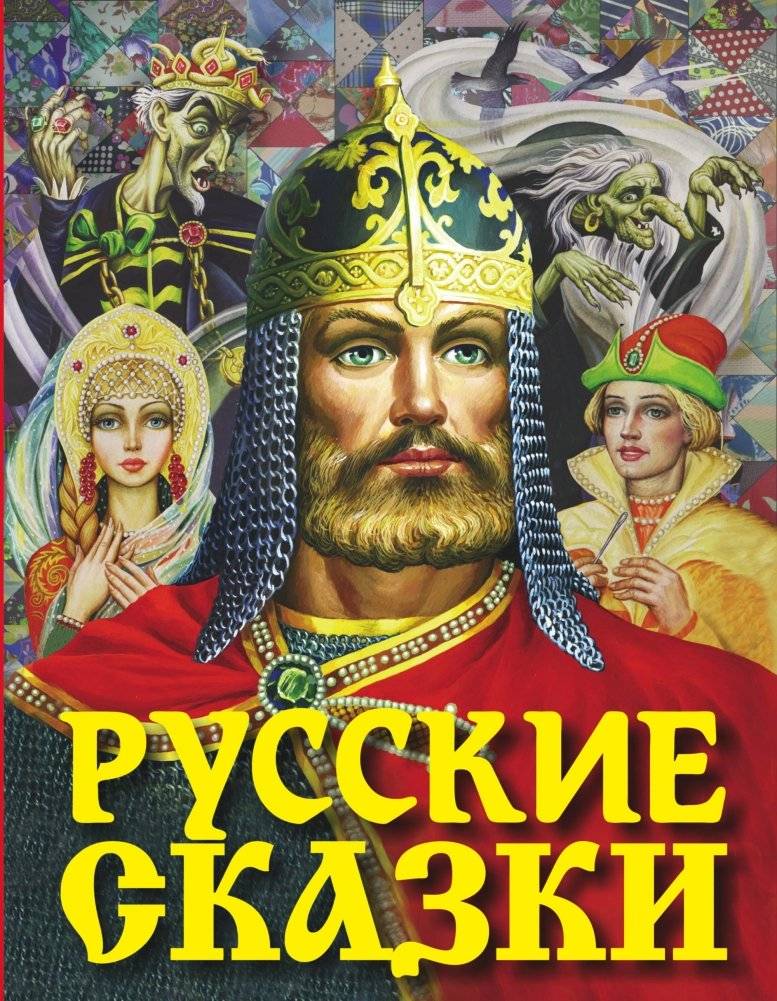 Русские сказки | Russian Fairy Tales$54.99