 US: 2-4 weeks,
  Europe: 1-2 weeks, 🌍 Worldwide: 1-4 weeks ✈️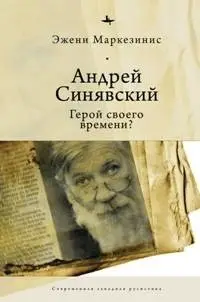
Андрей Синявский. Герой своего времени? | Andrei Sinyavsky: A Hero of His Time?
By Маркезинис Эжени
Андрей Синявский. Герой своего времени?
Обзор
В этой новаторской биографии Андрей Синявский (1925‑1997) рассматривается одновременно как писатель и как «герой своего времени». Описывается, как тонкий и сложный автор нашёл место в обществе, разделённом на героев и злодеев, патриотов и предателей, сначала полностью принимая ценности и идеологию эпохи, а затем отвергая их. Отрицание нашло выход в его литературе, делая творчество не просто отражением жизненных обстоятельств, а активным творческим преображением эпохи. На основе детального изучения наследия Синявского Евгения Маркезинис показывает, как его произведения становятся результатом творческого переосмысления времени.
Кому подойдёт
- Студенты и исследователи русской литературы и советской истории
- Читатели, интересующиеся биографиями писателей XX века
- Участники книжных клубов, изучающих культурные и идеологические трансформации
Ключевые особенности
- Автор: Маркезинис Эжени
- Год издания: 2020, издательство Academic Studies Press (БиблиоРоссика)
- 255 страниц, твердый переплёт
- Входит в серию «Современная западная русистика»
- ISBN‑13: 9785604357927
- Язык текста – русский
Andrei Sinyavsky: A Hero of His Time?
Overview
This groundbreaking biography examines Andrei Sinyavsky (1925‑1997) simultaneously as a writer and as a "hero of his time." It traces how the nuanced author navigated a society split between heroes and villains, patriots and traitors, initially embracing the prevailing values and ideology before ultimately rejecting them. The rejection found expression in his literature, turning his work into more than a mirror of historical circumstances—it became an active artistic transformation of those very conditions. Based on detailed study of Sinyavsky’s literary legacy, Evgenia Markezinis shows how his oeuvre reflects both the era’s traits and a creative re‑interpretation of them.
Who it's for
- Students and scholars of Russian literature and Soviet history
- Readers interested in biographical studies of 20th‑century writers
- Members of book clubs focusing on cultural and ideological transformation
Key features
- Author: Evgenia Markezinis (Евгения Маркезинис)
- Published 2020 by Academic Studies Press (BiblioRossika)
- 255 pages, hardcover binding
- Part of the "Modern Western Russian Studies" series
- ISBN‑13: 9785604357927
- Written in Russian