 US: 2-4 weeks,
  Europe: 1-2 weeks, 🌍 Worldwide: 1-4 weeks ✈️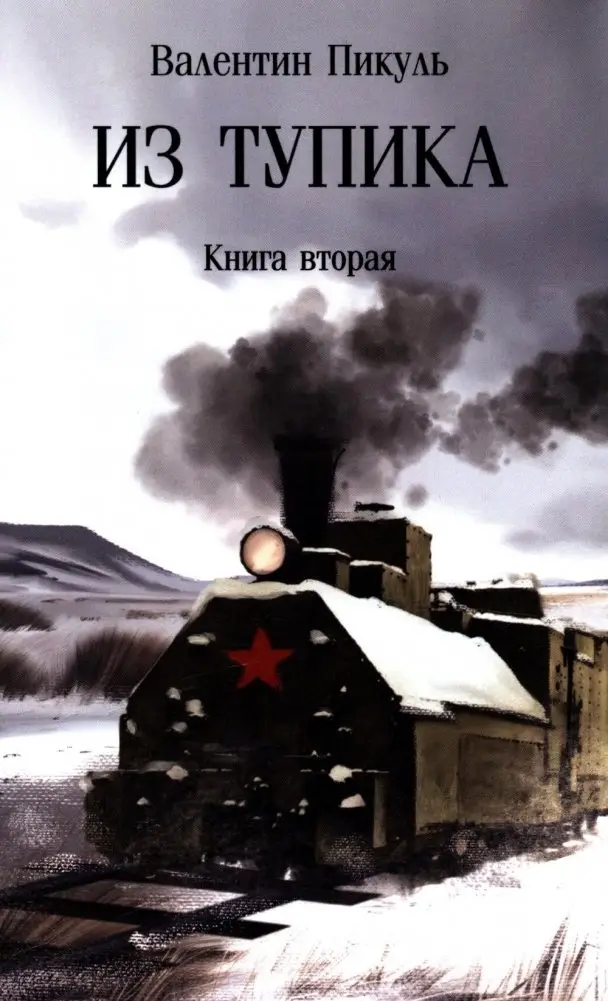
Из тупика: Кн. 2 | Out of a Dead End: Book 2
By Пикуль Валентин Саввич
Из тупика: Кн. 2
Пикуль Валентин Саввич, 2025
Обзор
Роман охватывает значимый период отечественной истории, связанный с возведением мурманской железной дороги и становлением Северной флотилии, ставшей впоследствии героическим Северным флотом. В произведении описывается боевая служба крейсера «Аскольд», начавшаяся в Дарданелльской операции и продолжившаяся в революционное время в составе Северной флотилии. Значительная часть повествования посвящена противостоянию с интервентами на Мурмане, в Архангельске и Карелии.
Кому подойдёт
- Любителям исторической прозы.
- Интересующимся периодом становления российского флота.
- Тем, кто изучает историю Гражданской войны на Севере России.
Ключевые особенности
- Язык: русский
- Страниц: 560
- Издательство: Вече
- Год издания: 2025
- ISBN: 9785448452697
Out of a Dead End: Book 2
Valentin Savvich Pikul, 2025
Overview
This novel covers a significant period of national history, focusing on the construction of the Murmansk railway and the formation of the Northern Fleet, which later became the heroic Northern Fleet. The work describes the combat service of the cruiser "Askold," which began in the Dardanelles operation and continued during the revolutionary period as part of the Northern Flotilla. A substantial part of the narrative is dedicated to the struggle against interventionists in Murman, Arkhangelsk, and Karelia.
Who it's for
- Readers of historical fiction.
- Those interested in the formative period of the Russian Navy.
- Individuals studying the history of the Civil War in Northern Russia.
Key features
- Language: Russian
- Pages: 560
- Publisher: Veche
- Publication Year: 2025
- ISBN: 9785448452697