 US: 2-4 weeks,
  Europe: 1-2 weeks, 🌍 Worldwide: 1-4 weeks ✈️
1913. Лето целого века | 1913. The Summer of a Whole Century
By Иллиес Флориан
1913. Лето целого века
Обзор
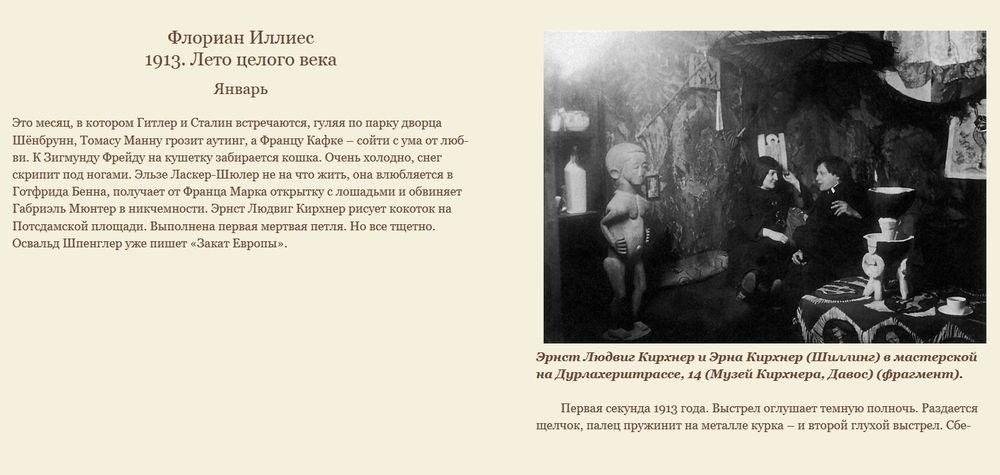
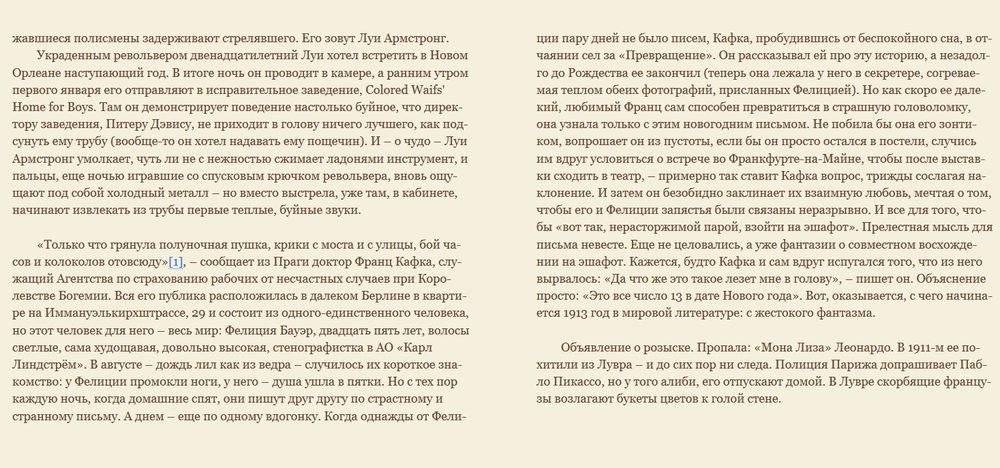
В книге представлена живописная хроника 1913 г., последнего мирного года перед Первой мировой войной, в котором произошли события, ставшие знаковыми для культуры XX века. Описывается выход романа Пруста «По направлению к Свану», начало работы Спенглера над «Закатом Европы», скандальная парижская премьера балета Стравинского «Весна священная», концерт двенадцатитонов Шёнберга и первая версия «Чёрного квадрата» Малевича. Упоминаются открытие первого бутика Prada, первый трубный выступление Луи Армстронга, нелегальный визит Сталина в Вену и отъезд оттуда Гитлера. Автор, немецкий критик и эссеист Иллиес Флориан, сменивший в кризисный период работу в газете на аукционный дом, создал увлекательную панораму оживлённой культурной жизни эпохи рождения модернизма. Пресса назвала книгу «громадным тизером» XX века и живым напоминанием о хрупкости того, что казалось самоочевидным.
Кому подойдёт
- Любители культурной истории начала XX века
- Поклонники модернистского искусства, литературы и музыки
- Студенты и исследователи периода предвоенного 1913 года
- Широкий читатель, желающий погрузиться в живую картину того времени
Ключевые особенности
- Автор — Иллиес Флориан, немецкий критик и эссеист
- Издано в 2021 г. издательством Ad Marginem Press, мягкая обложка, 272 страницы
- ISBN 978-5-91103-443-6, русский язык
- Входит в совместную издательскую программу с Музеем «Гараж»
- Хроника культурных событий 1913 г., последнего мирного года перед Первой мировой войной
1913. The Summer of a Whole Century
Overview
This volume offers a vivid chronicle of 1913, the final year of peace before the outbreak of World War I, highlighting events that shaped twentieth‑century culture. It recounts the publication of Proust’s novel "Towards the Swann," Spengler’s work on the "Decline of the West," the scandalous Paris premiere of Stravinsky’s ballet "The Rite of Spring," Schoenberg’s twelve‑tone concert, and the first version of Malevich’s "Black Square." The book also notes the opening of the first Prada boutique, Louis Armstrong’s first trumpet performance, Stalin’s clandestine visit to Vienna, and Hitler’s departure from the city. Written by German critic Illies Florian, who shifted from newspaper journalism to the auction house world during the crisis, the work presents a lively panorama of the modernist era’s cultural life. Contemporary press called it a “colossal teaser” of the twentieth century and a reminder of how fragile apparent certainties can be.
Who it's for
- Readers interested in cultural history of the early 20th century
- Fans of modernist art, literature and music
- Students and scholars studying the pre‑World War I era
- General audience seeking a richly detailed narrative of 1913
Key features
- Author: Illies Florian, German critic and essayist
- Published in 2021 by Ad Marginem Press (softcover, 272 pages)
- ISBN 978-5-91103-443-6, Russian language edition
- Part of the joint publishing program with the Garage Museum of Contemporary Art
- Chronicles the cultural events of 1913, the last peaceful year before World War I