 US: 2-4 weeks,
  Europe: 1-2 weeks, 🌍 Worldwide: 1-4 weeks ✈️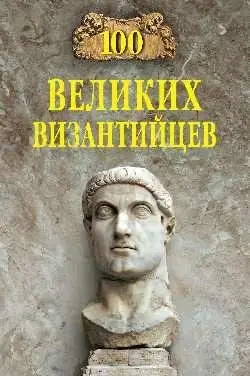
100 великих византийцев | 100 Great Byzantines
By Старшов Евгений Викторович
100 великих византийцев
Евгений Викторович Старшов, 2023, Серия: 100 великих
Обзор
Византийская империя, возникшая в IV веке как восточная часть Римской империи, просуществовала до середины XV века. На протяжении тысячелетия Византия была центром самобытной цивилизации, сформированной под влиянием римских, греческих и эллинистических традиций. Она представляла собой логическое продолжение античной эпохи, синтезируя западные и восточные духовные начала. Эта книга рассказывает о ста самых выдающихся личностях, оставивших след в истории Византии.
Кому подойдёт
- Читателям, интересующимся историей Византийской империи.
- Любителям биографических исследований выдающихся личностей.
- Тем, кто хочет узнать о синтезе западных и восточных культур.
Ключевые особенности
- Язык: русский
- Количество страниц: 464
- Тип обложки: твердая обложка
- ISBN: 9785448439971
- Издательство: Вече
- Год издания: 2023
100 Great Byzantines
Evgeny Viktorovich Starshov, 2023, Series: 100 Great
Overview
The Byzantine Empire, established in the 4th century as the eastern part of the Roman Empire, lasted until the mid-15th century. For a millennium, Byzantium was a hub of a unique civilization shaped by Roman, Greek, and Hellenistic traditions. It served as a direct continuation of classical antiquity, synthesizing Western and Eastern spiritual elements. This book profiles one hundred of the most distinguished individuals who left their mark on Byzantine history.
Who it's for
- Readers interested in the history of the Byzantine Empire.
- Fans of biographical studies on prominent figures.
- Those seeking to understand the synthesis of Western and Eastern cultures.
Key features
- Language: Russian
- Pages: 464
- Binding: Hardcover
- ISBN: 9785448439971
- Publisher: Veche
- Year: 2023