 US: temporary delays — postal services aligning new import rules,
  Europe: 1–2 weeks, 🌍 Worldwide: 1–4 weeks ✈️
Loading...
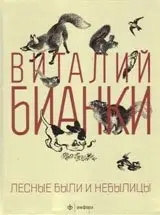
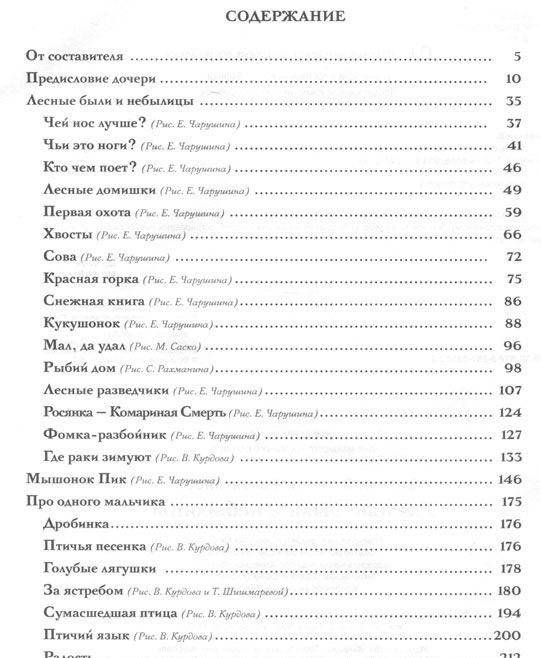
By Виталий Бианки
Погрузитесь в чарующий мир природы вместе с этим полным собранием сочинений признанного классика детской литературы, Виталия Валентиновича Бианки (1894-1959)! Знакомые с детства сказки и повести предстанут перед вами в новом, ярком свете.
Все тексты бережно выверены по оригинальным рукописям автора, возвращая нас к первозданной чистоте его гениального языка. Издание богато иллюстрировано уникальными рисунками, собранными из публикаций разных лет, оживляющими страницы и переносящими читателя в атмосферу лесов, полей и рек.
Виталий Бианки – один из самых любимых и почитаемых советских писателей, настоящий мастер слова, создавший более трехсот произведений. Его книги, входящие в школьную программу, завоевали сердца многих поколений читателей и продолжают очаровывать детей и взрослых.
Этот сборник представляет собой подборку самых известных ранних произведений Бианки, наполненных теплом детских и юношеских воспоминаний, проведенных в Петербурге и живописном поселке Лебяжье на берегу Финского залива. Каждая страница – это удивительное путешествие в мир живой природы, где оживают леса, поля и реки.
Книга украшена неповторимыми иллюстрациями талантливых художников – друзей и современников Бианки, создающими незабываемую атмосферу ностальгии и волшебства.
Immerse yourself in the captivating world of nature with this complete collection of works by the acclaimed children's literature classic, Vitaly Bianki (1894-1959)! Familiar fairy tales and short stories will reveal themselves in a new, vibrant light.
All texts have been meticulously checked against the author's original manuscripts, restoring the pristine purity of his brilliant language. The edition is richly illustrated with unique drawings gathered from publications of various years, bringing the pages to life and transporting the reader to the atmosphere of forests, fields, and rivers.
Vitaly Bianki – one of the most beloved and revered Soviet writers, a true master of words, who created over three hundred works. His books, included in the school curriculum, have won the hearts of generations of readers and continue to enchant children and adults alike.
This collection presents a selection of Bianki's most famous early works, filled with the warmth of childhood and youthful memories spent in St. Petersburg and the picturesque village of Lebyazhye on the shores of the Gulf of Finland. Each page is an amazing journey into the world of wildlife, where forests, fields, and rivers come alive.
The book is adorned with unique illustrations by talented artists – friends and contemporaries of Bianki, creating an unforgettable atmosphere of nostalgia and magic.