 US: temporary delays — postal services aligning new import rules,
  Europe: 1–2 weeks, 🌍 Worldwide: 1–4 weeks ✈️
Loading...
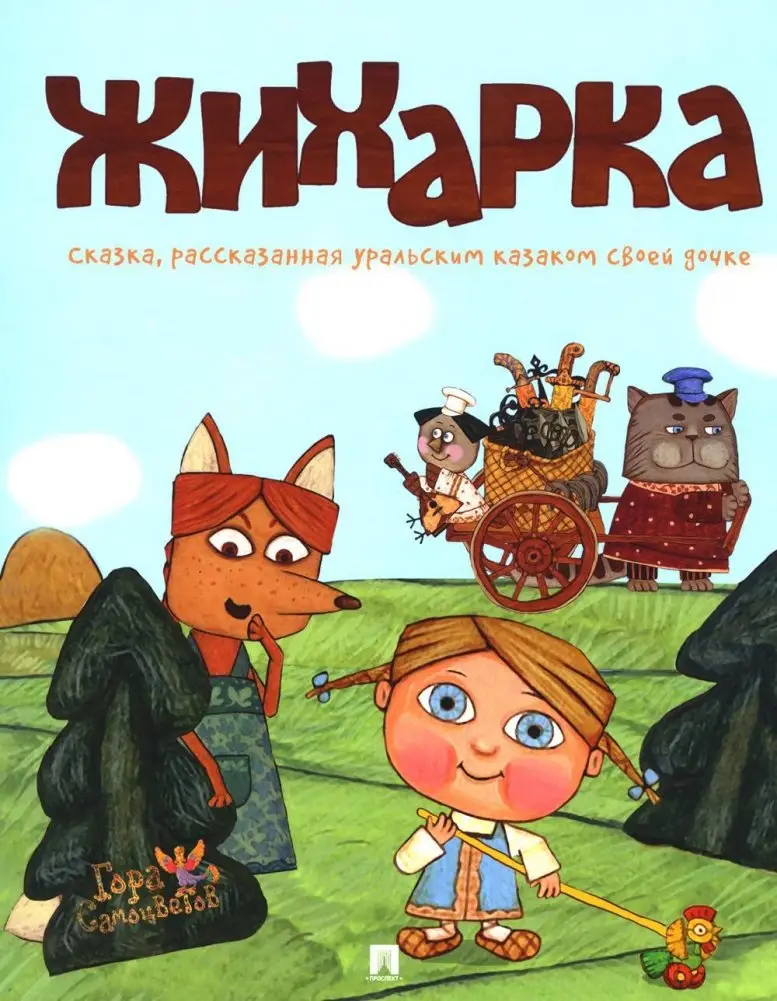
Уральский казак
«Жихарка» — это самобытная русская народная сказка, которая передает дух уральского казачества. История рассказана отцом своей дочери, что придает ей особую теплоту и интимность. Сказка погружает в мир народных традиций и быта, сохраняя аутентичность повествования.
Ural Cossack
Zhikharka is a distinctive Russian folktale that captures the spirit of the Ural Cossacks. The story is presented as if told by a father to his daughter, lending it a unique warmth and intimacy. This tale immerses readers in the world of folk traditions and daily life, preserving the authenticity of the narrative.