 US: temporary delays — postal services aligning new import rules,
  Europe: 1–2 weeks, 🌍 Worldwide: 1–4 weeks ✈️
Loading...
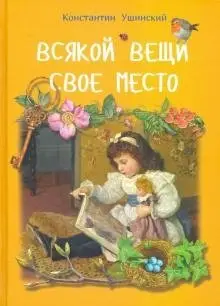
By Ушинский Константин Дмитриевич
Погрузитесь в мир удивительных открытий вместе с великим русским педагогом и писателем Константином Дмитриевичем Ушинским (1823-1870)! Этот уникальный сборник, созданный на основе его бессмертных произведений "Детский мир" и "Хрестоматия" (1861), предлагает юным читателям незабываемое знакомство с окружающим миром.
Первая часть сборника представляет собой серию захватывающих научно-популярных рассказов, написанных прекрасным, образным языком, посвящённых изучению удивительного мира животных и растений. Вы познакомитесь с их повадками, средой обитания и уникальными особенностями, открывая для себя чудеса природы.
Во второй части вас ждут увлекательные художественные произведения: короткие рассказы, мудрые басни, волшебные сказки и обработанные народные былины, тесно связанные с миром природы. Эти истории, полные поэзии и глубокого смысла, раскроют перед вами красоту и тайны окружающего мира.
Формат книги идеально подходит для самостоятельного чтения детьми. Яркие и красочные иллюстрации, вдохновлённые шедеврами русской и зарубежной живописи, а также уникальными рисунками и материалами, делают издание поистине неповторимым и привлекательным как для детей, так и для их родителей и педагогов. Это не просто книга – это увлекательное приключение, которое пробудит любознательность и любовь к природе.
</section> ---Join the renowned Russian educator and writer Konstantin Dmitrievich Ushinsky (1823-1870) on an amazing adventure! This unique collection, based on his timeless works "Children's World" and "Reader" (1861), offers young readers an unforgettable introduction to the wonders of the natural world.
The first part features a series of captivating nature stories, written in exquisite, evocative language. These fascinating narratives explore the lives of animals and plants, revealing their habits, habitats, and unique characteristics. Discover the magic and mysteries of nature!
The second part presents a delightful array of fictional works: charming short stories, insightful fables, enchanting fairy tales, and adapted folk epics, all with a strong connection to nature. These stories, filled with poetry and profound meaning, will unfold the beauty and secrets of the world around us.
The book's format is perfectly suited for independent reading. Vibrant and colorful illustrations, inspired by masterpieces of Russian and international art, as well as unique drawings and materials, make this edition truly special and appealing to children, parents, and educators alike. This is more than just a book—it's an exciting adventure that will ignite curiosity and foster a love for nature.
</section>