 US: 2-4 weeks,
  Europe: 1-2 weeks, 🌍 Worldwide: 1-4 weeks ✈️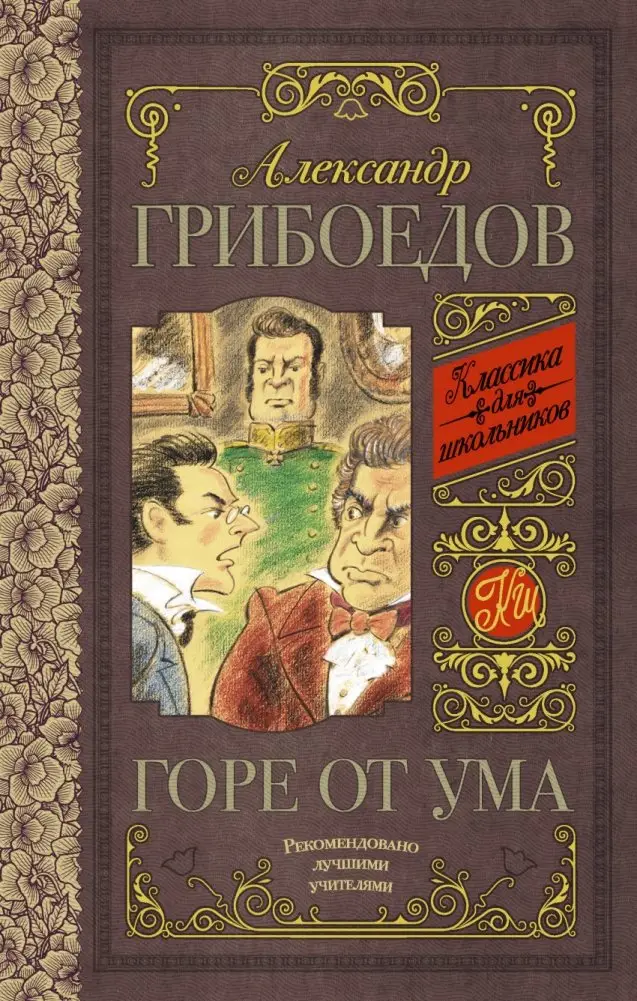
Горе от ума | Woe from Wit
By Грибоедов Александр Сергеевич
Александр Сергеевич Грибоедов и его бессмертная комедия «Горе от ума»
Александр Сергеевич Грибоедов: Гений Слова и Действия
Александр Сергеевич Грибоедов (1795–1829) – выдающийся русский дипломат, поэт, драматург, виртуозный пианист и талантливый композитор. Его имя навсегда вписано в историю мировой литературы благодаря бессмертной комедии «Горе от ума» (1822–1824). Эта пьеса – острая и беспощадная сатира на застойное, лицемерное аристократическое общество Москвы первой половины XIX века, поражающая своей актуальностью и по сей день.
Бессмертный конфликт: Чацкий против Фамусова
Центральный конфликт пьесы разворачивается между Чацким, представителем нового поколения дворян, стремящимся к свободе мысли и искренним чувствам, и обществом Фамусова, где ценятся не человеческие качества, а чины, богатство и связи. Столкновение этих двух миров наполнено яркими характерами, едкими диалогами и непреодолимым противостоянием взглядов.
Крылатые фразы, ставшие частью культуры
«О стихах я не говорю, – писал о комедии А.С. Пушкин, – половина должна войти в пословицы». И действительно, крылатые выражения из «Горе от ума» прочно вошли в русский язык, становясь неотъемлемой частью нашего повседневного общения. Кто из нас не прибегает к использованию таких фразеологизмов, как «А судьи кто?», «Служить бы рад, прислуживаться тошно», «Нельзя ли для прогулок подальше выбрать закоулок?» и многих других?
- Ключевые темы: сатира, общество, любовь, конфликт поколений, свобода мысли.
- Жанр: комедия, социальная драма.
- Значение: одна из вершин русской классической литературы.
Alexander Sergeyevich Griboyedov and his Immortal Comedy "Woe from Wit"
Alexander Sergeyevich Griboyedov: A Genius of Words and Deeds
Alexander Sergeyevich Griboyedov (1795–1829) – a remarkable Russian diplomat, poet, playwright, accomplished pianist, and talented composer. His name is forever etched in the annals of world literature thanks to his immortal comedy "Woe from Wit" (1822–1824). This play is a sharp and merciless satire on the stagnant, hypocritical aristocratic society of Moscow in the first half of the 19th century, remaining strikingly relevant to this day.
An Immortal Conflict: Chatsky versus Famusov
The central conflict of the play unfolds between Chatsky, a representative of the new generation of nobles striving for freedom of thought and genuine feelings, and Famusov's society, where social rank, wealth, and connections are valued above human qualities. The clash of these two worlds is filled with vibrant characters, witty dialogues, and an insurmountable confrontation of viewpoints.
Winged Phrases that Became Part of Culture
"I won't talk about the verses," Pushkin wrote about the comedy, "half of them should become proverbs." Indeed, the winged expressions from "Woe from Wit" have firmly entered the Russian language, becoming an integral part of our daily communication. Who among us hasn't used such idioms as "And who are the judges?", "I'd be glad to serve, but serving is loathsome," "Couldn't we choose a more secluded spot for a walk?" and many others?
- Key Themes: satire, society, love, generational conflict, freedom of thought.
- Genre: comedy, social drama.
- Significance: one of the pinnacles of Russian classical literature.